The Violence Did Not Start on Hanukkah — Only the Honesty Did
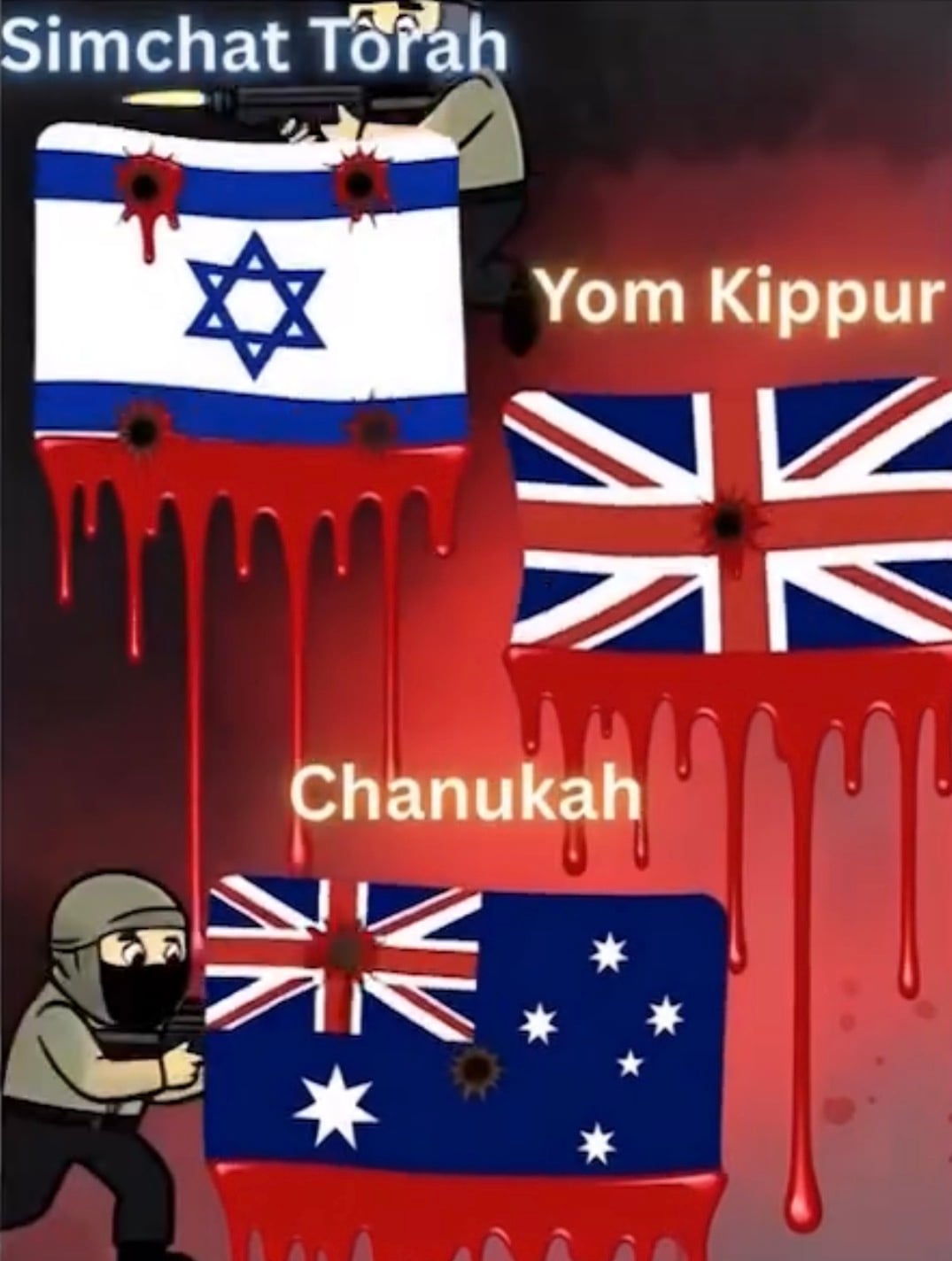
There is a reason the attacks during Hanukkah felt like a rupture.
Not because something fundamentally new occurred — but because, for the first time in months, it became impossible to keep describing what was happening in softened terms.
When a mass-casualty terror attack targeted Jews gathered for a Hanukkah celebration in Sydney, killing at least 15 people, authorities immediately identified it as antisemitic terrorism. When Jewish cultural events in Amsterdam were disrupted by hostile protests, arrests, and chants, and when a Jewish home in California was riddled with bullets for displaying Hanukkah decorations, the language finally shifted. What had long been called “tensions” or “spillover” was suddenly recognized as something far more serious.
But what changed was not the nature of the threat.
What changed was the willingness to describe it honestly.
For much of the past year, Jews in the diaspora have been targeted in public space — harassed, verbally and physically attacked, excluded, and intimidated — under the moral pretext of “Antizionism”. This did not begin with Hanukkah, and it did not begin with mass-casualty events. It began earlier, quieter, and was repeatedly downgraded by institutions, media, and political leaders reluctant to name what was unfolding before their very eyes.
Months before these latest attacks, Jewish communities were already being hunted in the streets of European cities. Israeli football fans were hunted down during pre-planned pogroms in Amsterdam and hospitalized — and then collectively punished through bans and restrictions in Birmingham under the guise of “security concerns.” Jewish students and communities were told that their safety was subordinate to “context,” that attacks were merely political spillover, and that exclusion was simply disagreement.
At the same time, a parallel process was unfolding at the narrative level. Terrorist talking points were laundered into respectable language. Hamas-supplied figures were recycled by international bodies and major media outlets with little verification. The word genocide was detached from its meaning and repurposed as a moral absolute, casting Israel as uniquely evil — and Jews everywhere as uniquely suspect.
This pattern has been documented by multiple monitoring bodies. The Anti-Defamation League, the EU Agency for Fundamental Rights, and the Combat Antisemitism Movement have all reported sustained increases in antisemitic incidents across Western democracies following October 7, often accompanied by the blurring of political hostility toward Israel with classic antisemitic tropes. These were not abstract trends. They were observable, recorded, and ongoing.
None of this was theoretical. It was happening in real time.
The danger was not underestimated because it was invisible, but because it was consistently described in softer terms than it deserved. Somehow that always seems to be the case when it comes to antisemitism.
What we are witnessing now is not a sudden eruption of hatred, but an escalation of permission. When Israel is framed as a moral contaminant, Jews do not remain insulated from the consequences. When terror narratives are laundered into moral critique, violence has followed — predictably.
The difference between being hunted in the street and being attacked at a public holiday gathering is not moral, only tactical. The target remains the same. The method shifts. And the insistence that these are separate phenomena is precisely what allowed the escalation to continue unchecked.
Sydney shocked because Australia rarely experiences mass shootings. Amsterdam shocked because Hanukkah is meant to be a moment of visibility, not fear. But these events did not introduce a new reality — they stripped away the last defenses against naming an existing one.
This is why calling the current moment “unprecedented” is dangerous. It suggests there was no warning, no pattern, no record — when in fact all three existed long before these flashpoints.
History does not ask whether warnings were polite or popular.
It asks whether they were accurate — and whether anyone was willing to listen while events were still unfolding.
This did not begin on Hanukkah.
And unless we stop pretending otherwise, it will not end with it either.