
Teen suicide risk is climbing in Israel, and we’re not ready
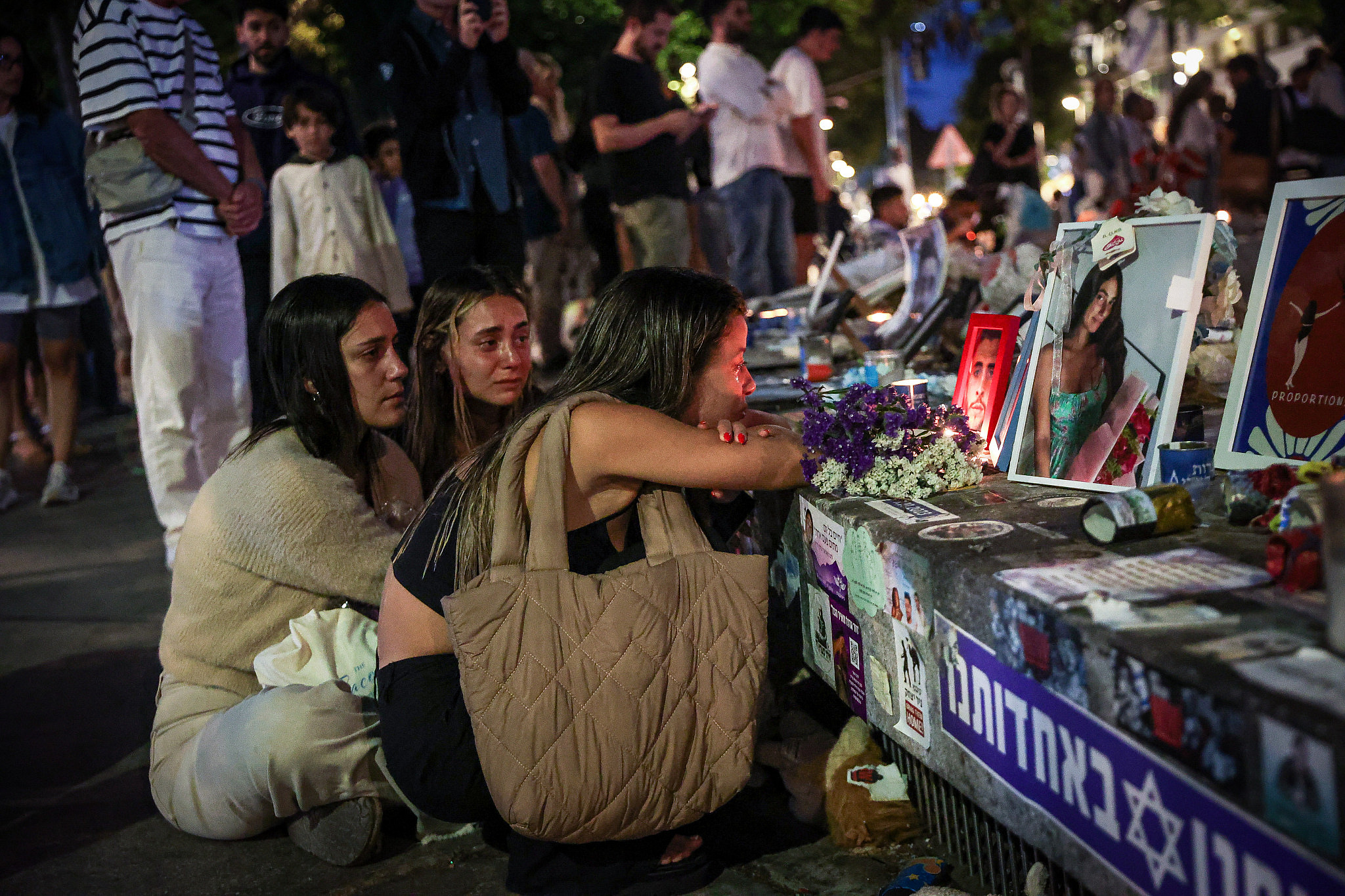
Between 2023 and 2025, emergency room visits by children and adolescents due to suicidality increased by roughly 60%. In 2023, 580 children and teens arrived at Schneider for psychiatric evaluation. In 2024, that number rose to 752. According to data released by the hospital last month, in 2025 it reached 930. These are not marginal changes. They reflect a steep and sustained rise over a very short period of time.
Even more concerning is the severity. In 2025 alone, 88 out of 930 children and adolescents were assessed as being at immediate suicide risk. A third of these high-risk cases occurred in the last quarter of the year, three times more than in the first quarter. Clinicians describe cases that are more complex than in the past, with deeper distress and higher levels of concern.
This is not a statistical anomaly. It is a wake-up call.
What we are seeing did not begin with the war, and it will not end with it. For Israel’s teenagers, the past few years have been defined by overlapping crises. COVID disrupted their most formative years, fracturing routines, relationships, and a sense of safety. Before there was time to recover, the war arrived, bringing fear, loss, exposure to violence, and ongoing uncertainty.
There was no pause between these events. No space to process. No real return to normal.
Teenagers are often expected to be resilient, to adapt quickly, to move on. But resilience is built, not assumed. It depends on stable environments, supportive adults, and systems that notice distress early. When stress accumulates without adequate support, it does not disappear. It deepens.
Across the country, we are seeing growing signs of emotional distress among teens. Anxiety, withdrawal, harmful digital behaviors, substance experimentation, and disengagement are becoming more common. The most severe cases reach emergency rooms, but many others remain below the surface, functioning just enough to stay invisible.
What worries me most is not only the increase in distress, but its complexity. Suicide is already one of the leading causes of death among adolescents in Israel, with a mortality rate of 6.9 per 100,000. About five percent of Israeli teens aged 14–17 report suicidal thoughts, and around a thousand adolescents are referred to emergency rooms each year following suicide attempts. The Schneider data suggests that the pressure on this generation is intensifying.
We are witnessing the early formation of generational trauma. How teenagers interpret and internalize what they have lived through, especially whether these experiences become central to their identity, will shape long-term mental health outcomes. Without coordinated support across the systems surrounding them, this burden is likely to become heavier and more persistent.
The implications extend far beyond adolescence.
These teens will soon be young adults. They will enter military service, higher education, and the workforce carrying what they were given, or what they were denied, during these years. Their resilience, functioning, and vulnerability tomorrow are being shaped right now.
And yet, the way we respond remains fragmented.
Many teens move between school counselors, youth movements, NGOs, municipal programs, and clinics with little continuity. Each setting may see only part of the picture. There is no shared language for what “well-being,” “prevention,” or “intervention” actually mean in practice, and little shared data to help us understand who is being reached, who is missed, and what works.
Some of the highest-risk teens are also the hardest to identify. They are “normative” enough to function and stay out of formal systems, while carrying significant distress beneath the surface. At the same time, proactive outreach remains limited. Most teens do not self-identify as needing help, and few will ask for it early.
None of this reflects a lack of commitment or care. It reflects the limits of working in silos.
No single organization, no matter how strong or experienced, can solve this alone. These gaps are structural. They require collaboration between academia, the clinical field, government and NGOs, coordination across sectors, and a collective understanding of how teens move through systems over time, not only how they present in moments of crisis.
The Data from Schneider makes one thing clear: waiting to act is not an option, it’s irresponsible.
Our teenagers are telling us something through the numbers, through emergency rooms, through classrooms, and through their silence. The question is whether we are willing to listen carefully enough, and work together seriously enough, to respond.
Those who believe that improving teen well-being requires coordination, not competition, and systems, not silos, are already part of this conversation. Others are welcome to join.
This is not about urgency alone. It is about our responsibility. To this generation, and to the one that will follow.