
Middle East specialist
The Yemeni Houthis threaten European gas supplies
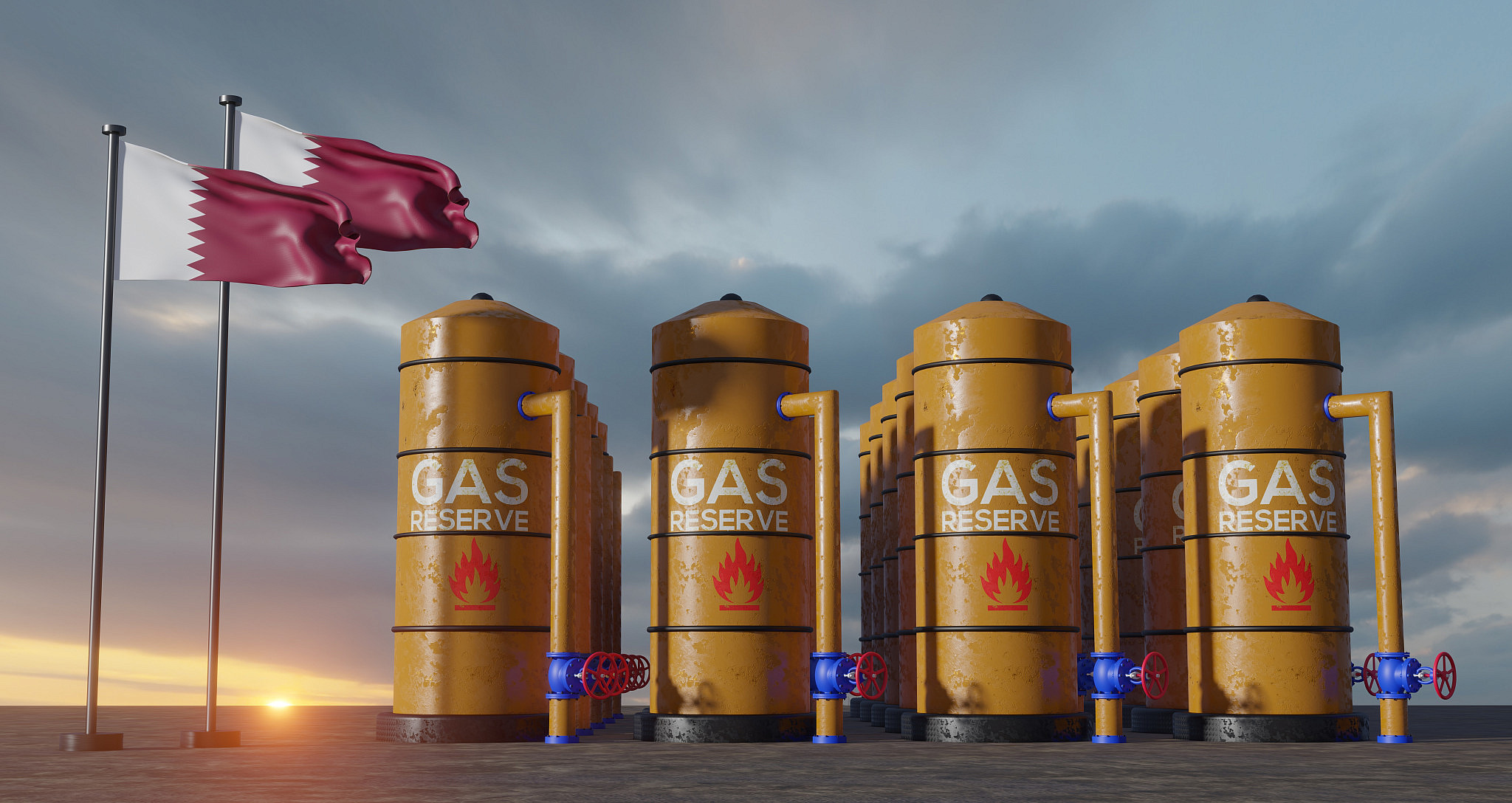
Image source: Shutterstock
The strategic importance of the Red Sea for Qatar is outstanding in terms of Qatari oil and gas supplies. The country is rich in energy resources, especially natural gas, and the trade routes across the Red Sea are vital for the small Arab Gulf monarchy. However, the Yemeni militia has overturned the existing order by constantly attacking cargo ships, forcing QatarEnergy to use alternative shipping routes.
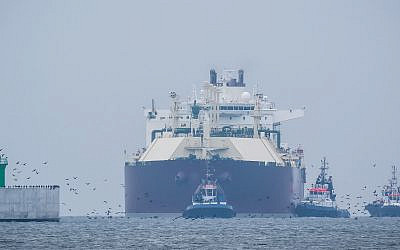
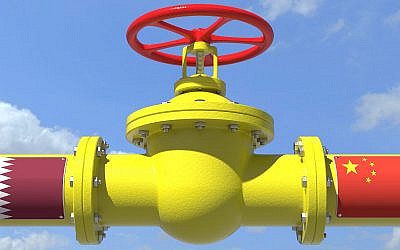
Qatar is the world’s largest exporter of liquefied natural gas (LNG). Since the start of the war in Ukraine, competition for LNG has intensified. Europe in particular needs large quantities to replace Russian gas, which accounts for almost 40% of the continent’s imports. It is therefore not surprising that QatarEnergy and ConocoPhillips have signed two contracts to export liquefied natural gas to Germany for at least 15 years, starting in 2026. In addition, the Hungarian government has announced that Hungary will be able to receive LNG supplies from Qatar from 2027. The Arab country is now the largest supplier of liquefied natural gas in Europe after the United States (it covers around 13% of Western European consumption). However, it is not only European countries that are trying to gain access to as many Qatari raw materials as possible, but also China. Qatar plays an important role in the transportation of gas to the Far Eastern country. Last summer, the Arab country’s second gigantic gas transportation agreement with a state-controlled Chinese company within a year spread like wildfire in the international press. The China National Petroleum Corporation (CNPC) and QatarEnergy signed a 27-year contract under which China will purchase 4 million tons of liquefied natural gas from the Arab Gulf state every year. The supplies from Qatar are extremely important for China’s energy security and economic development.
But ever since the Yemeni Houthis seized ships in the Red Sea and attacked them with drones, major international companies have been looking for other routes to get their cargo to its destination undisturbed. This is no different with regard to gas transport. QatarEnergy, for example, has announced that it will use alternative shipping routes instead of the Red Sea to bring supplies to global markets. “Production of liquefied natural gas (LNG) in Qatar will continue without interruption and we are firmly committed to providing our customers with a reliable supply of LNG,” the company said in a statement on its official website. On January 15, Bloomberg news agency reported that Qatar had halted the passage of LNG tankers through the Bab al-Mandeb Strait after retaliatory strikes by the US and UK against Houthi targets in Yemen increased the risks. The Houthis attack cargo ships owned or operated by Israeli companies in the Red Sea with missiles and drones – out of “solidarity with the Gaza Strip”. While the Houthis have not attacked any gas tankers since they began targeting the shipments in mid-November, Qatar’s reluctance to pass through the corridor highlights the greatly increased risks.
 The Yemeni Houthis are increasingly disrupting international maritime trade and their offensives can have serious consequences both regionally and globally. On the one hand, transportation costs are rising significantly, which may have a negative impact on inflation, not to mention that the Iranian-backed extremist group is provoking Israel, Saudi Arabia, the United States and other Western countries, stoking tensions in the region and exacerbating conflicts, which could even lead to open warfare between the parties.
Related Topics
Related Posts