
Truth Beyond Headlines
The Yom Kippur War
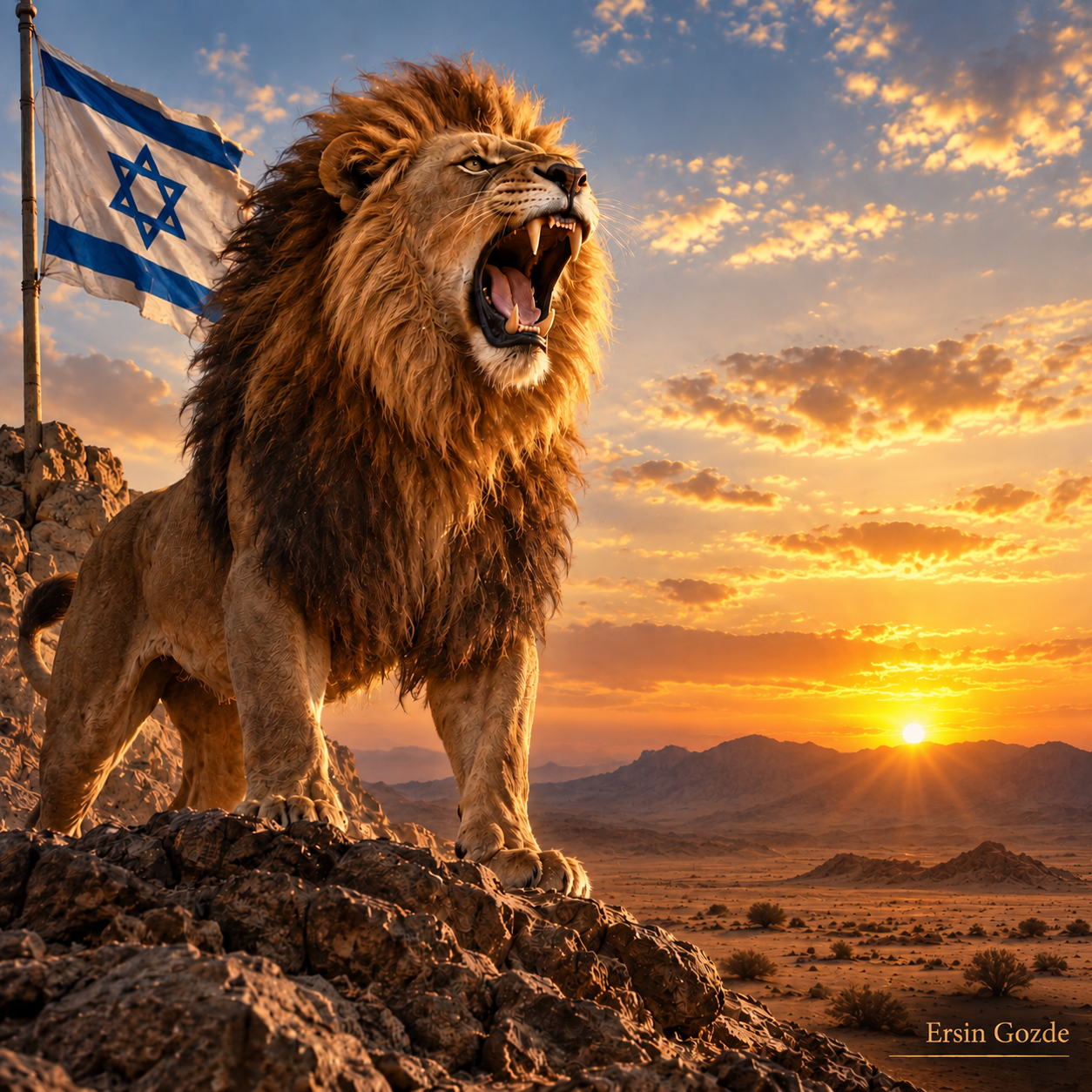
The Yom Kippur War began on October 6, 1973, when Egypt and Syria launched a coordinated attack against Israel. The conflict, one of the defining wars in modern Middle Eastern history, began on Yom Kippur, the holiest day in the Jewish calendar.
Egyptian forces attacked across the Sinai Peninsula, while Syrian troops advanced toward the Golan Heights. In the first days of the war, Arab forces made significant gains, putting Israel’s defenses—built in the aftermath of the 1967 Six-Day War—under severe pressure.
Israel’s military, however, soon launched counteroffensives on both fronts. As the balance of the war shifted, Israeli forces pushed Syrian troops back and advanced across the Suez Canal into Egyptian territory. Support from the United States for Israel and from the Soviet Union for the Arab states also gave the conflict a significant international dimension.
The war ended with ceasefires toward the end of October. While its military outcome remains subject to historical debate, the conflict had profound political and social consequences for Israel. The country’s intelligence assessments and military preparedness came under intense scrutiny, while criticism of the government and military leadership grew in the aftermath.
The Yom Kippur War also helped open a new chapter in Egyptian-Israeli relations. Diplomatic efforts that followed the conflict eventually contributed to the process that led to the 1978 Camp David Accords and, a year later, the 1979 Egypt-Israel Peace Treaty.
Today, the Yom Kippur War is remembered in Israel not simply as a military conflict, but as a historic turning point that raised enduring questions about intelligence, defense preparedness, political responsibility and the pursuit of peace.
Related Topics
Related Posts