
Seeking honest leadership, and new narratives.
Theater of the Absurd
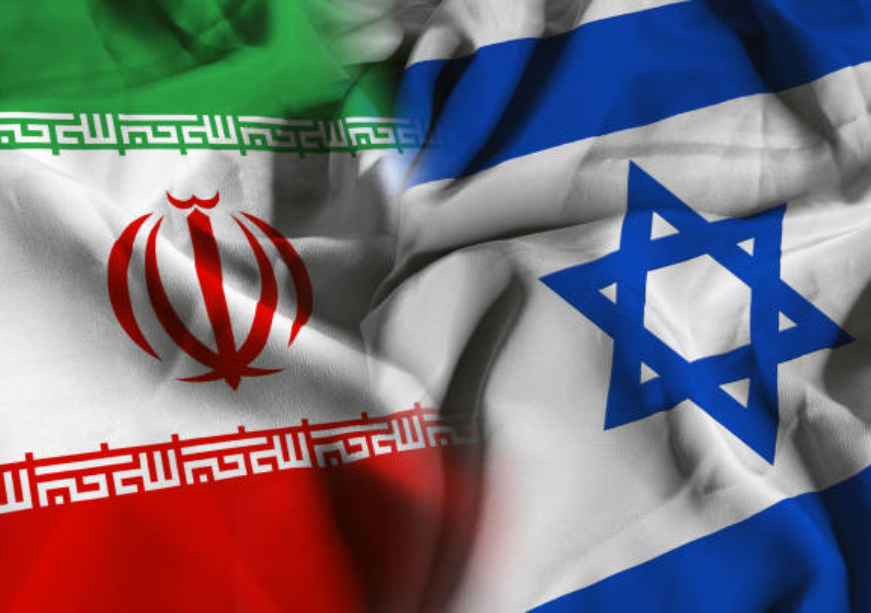
Trump’s Diplomacy, Netanyahu’s Paralysis, and the Stalemate That’s Leaving Hostages and Gaza to Burn
Act I – Hostages, Forgotten
This is not “Phantom of the Opera,” the longest-running show on Broadway. Its run is more than 600 days and counting- this is the prolonged tragedy playing out in the Middle East. Hamas’ October 7th, 2023, attack still leaves 50 Israelis in captivity. Despite declarations that securing their release is the government’s top priority, facts tell a different tale. The negotiations have become ritualistic: announce, retract, repeat.
Netanyahu’s coalition government demands total victory. Hamas demands total leverage. And the hostages remain in limbo, their families begging for action from whomever cares to listen, while being weaponized in political debates. This is no longer diplomacy. It’s cruel performance.
Act II – Trump Talks, Little Moves
President Trump has promised what he calls “the greatest deal in the history of peace.” His team has spoken to Qataris, Egyptians, Israelis. There have been announcements, statements, and photo ops. But no breakthrough.
Trump’s instinct for spectacle over substance has been on full display. His demand for personal credit, zero-sum instincts, and polarizing style have complicated what requires delicacy and humility. The one major hostage-ceasefire deal floated under his watch has not materialized. His deal-making bravado may satisfy domestic optics, but it has not brought hostages home or aid to Gaza.
Act III – Netanyahu, Trapped by His Own Politics
Benjamin Netanyahu, Israel’s longest-serving prime minister, is cornered. His coalition is fragile, held together by far-right ministers who threaten to topple the government if he accepts a ceasefire. He is also besieged by centrists demanding immediate action to release hostages and alleviate civilian suffering.
The result? A prime minister who claims to lead but remains paralyzed. Every decision is delayed, diluted, or avoided entirely. Meanwhile, Israeli soldiers continue to die, reservists remain deployed, and national unity is fraying.
A Brief, Violent Intermission – The Iran-Israel War
For a moment, it seemed the script had changed. The brief but explosive war between Israel and Iran threatened to upend the regional order altogether. Missiles rained across borders, direct confrontations escalated rapidly, and for the first time in decades, the spectre of a full-scale regional war loomed large.
And yet, like an intermission in an unending performance, the war came and went, leaving behind dramatic headlines, diplomatic panic, and a temporary reordering of priorities. But it did not resolve the Gaza crisis. Nor did it break Netanyahu’s deadlock or improve the fate of the hostages. Instead, it served as a violent pause, briefly shifting the spotlight away from the Gaza theatre. Sadly, it has returned with even more urgency.
Ironically, the Iran-Israel war momentarily aligned international interests. Washington, Riyadh, and even Brussels recognized the risk of further chaos and urged restraint. But once the bombs stopped falling, the absurd performance in Gaza resumed—unchanged, unresolved, and still absurd.
Act IV – Breaking the Absurd Loop
This stalemate isn’t just unsustainable—it’s immoral. But a way out exists:
- Negotiate through professionals, not politicians. Hostage and ceasefire talks should be handled quietly by intelligence officials, not on live television or campaign podiums.
- Launch a regional humanitarian initiative. Arab states must co-lead Gaza’s post-war recovery. A multinational authority, not Hamas or Israel, should manage reconstruction and aid.
- End the cult of Trump-centric diplomacy. Israel must rebuild bipartisan support in Washington. Trump’s ego cannot drive a peace process for millions.
- Netanyahu must choose statesmanship over survival. A hostage deal may collapse his coalition, but it would restore his moral credibility and serve the national interest.
Time for the Curtain to Fall
The tragedy in Gaza and Israel will not resolve itself. What we are witnessing is not strategy—it’s absurdism. A theatre where pain is recycled for political delay, and nothing changes except the body count.
The curtain must come down. This show must close.
Related Topics
Related Posts