
Published author, Jewish educator and scholar
These Elections Are About a Far Bigger ‘Concepzia’
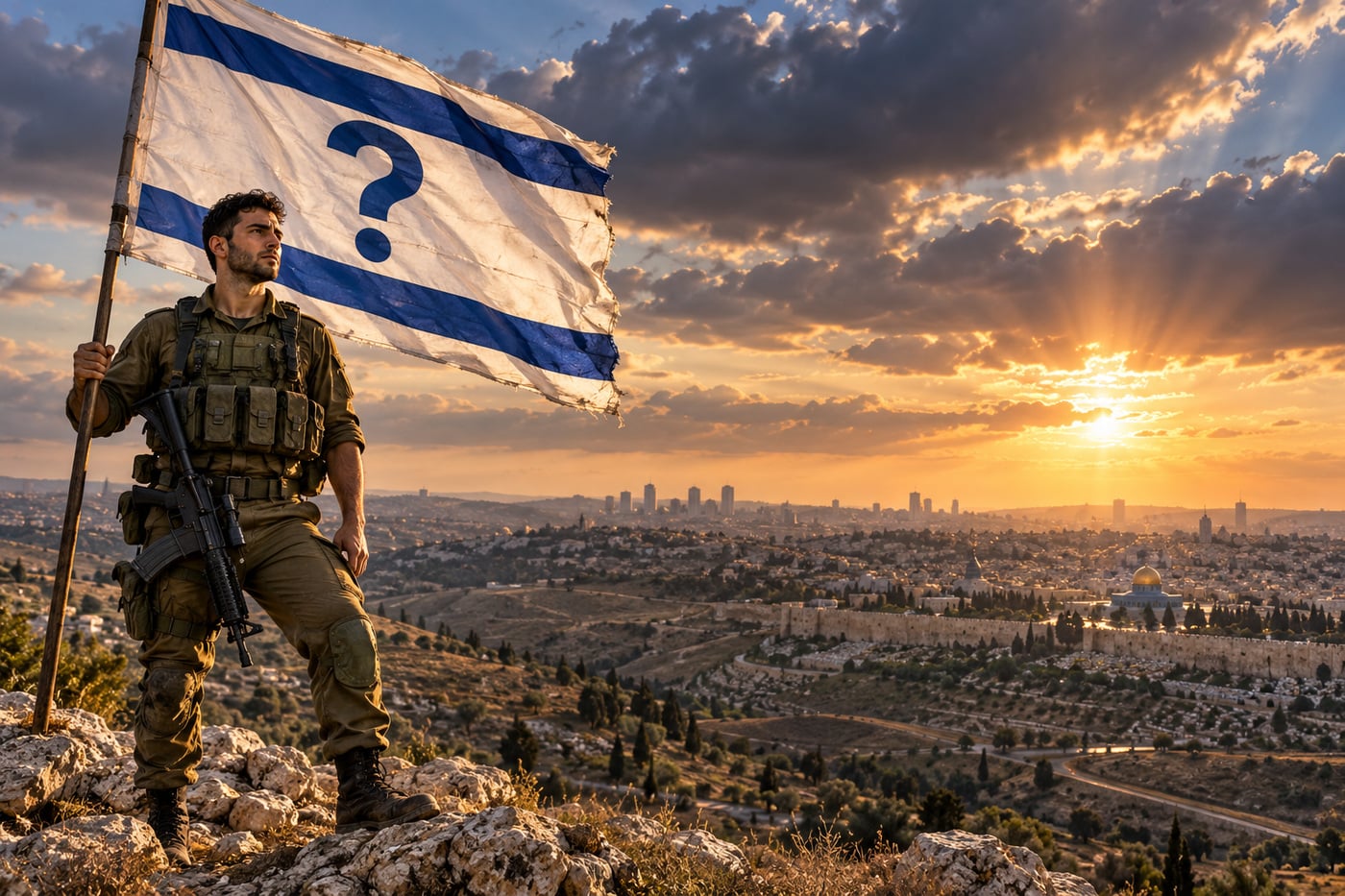
ChatGPT
On October 7, 2023, Israel paid a devastating price for what has become known as the concepzia: the deeply entrenched belief that Hamas was deterred, that it was more interested in governing Gaza than launching a major war, and that Israel’s intelligence capabilities and sophisticated border defenses would provide sufficient warning of any impending attack.
For years, Israel’s political and military leadership operated within this conceptual framework. Evidence contradicting its assumptions was repeatedly discounted, warnings were misinterpreted, and insufficient forces were deployed to defend the communities along the Gaza border.
The consequences were catastrophic. Approximately 1,200 people were murdered, 251 were taken hostage, and entire communities were devastated. Subsequent investigations by the IDF and Shin Bet acknowledged profound failures of intelligence, planning, and preparedness. The Shin Bet itself concluded that different actions could have prevented the massacre.
Three years later, Israel is still struggling to come to terms with the consequences of that disastrous concepzia.
But another concepzia, potentially even more consequential for Israel’s future, now demands our immediate attention.
It is the assumption that Israel can continue to maintain a powerful military—or ultimately, a military capable of defending the country at all—while exempting an ever-growing proportion of its young men, particularly the Haredim, from military service.
The numbers tell a deeply troubling story.
In May 2026, senior IDF officers informed the Knesset that the army was short approximately 12,000 soldiers, including 6,000–7,500 combat troops. They warned that this shortage could increase to approximately 17,000 by early 2027.
These are not theoretical projections about a distant future. They concern the army’s ability to meet its immediate operational requirements.
Meanwhile, reservists are already paying an extraordinary price. In 2025, they served an average of approximately 110 days, disrupting their livelihoods, careers, family lives, and physical and emotional well-being. Senior military officials have warned that continued excessive reliance on reservists could ultimately cause the reserve system to collapse.
And this is only the beginning.
According to a February 2026 study by the Israel Democracy Institute, Haredim currently constitute approximately 23.5% of the population designated for military service. By 2030, that proportion is projected to reach 25%; by 2040, 33%; and by 2050, an astonishing 40%.
If existing enlistment patterns continue, the study projects that the proportion of Israeli men serving in the IDF could decline from approximately 61% to 45% by 2050.
Consider what these figures mean.
Israel is a small country facing serious security threats on multiple fronts. It must maintain a military capable of defending its borders, protecting its citizens, deterring its enemies, and responding to simultaneous attacks.
How can Israel sustain these capabilities when an ever-growing proportion of its potential recruits does not serve?
Yet instead of confronting this challenge, influential Haredi leaders have declared their uncompromising opposition to military conscription, with some invoking the principle that it is better to die than to serve. Furthermore, Haredi political leaders have demanded permanent draft-exemption legislation as a condition for joining another Netanyahu-led coalition.
And since Netanyahu has stated repeatedly that he has no intention of forming a coalition without the Haredim, a vote for Likud or any other party likely to join such a coalition, such as HaTzionut HaDatit and Otzma Yehudit, means a vote that threatens the very future of the IDF.
While we can debate the future of Jewish settlements, the cost of living, education, economic development, and the proper relationship between religion and state, none of these issues will matter if we don’t have an army capable of defending Israel against the many enemies that seek its destruction.
Thus, for those who recognize the danger inherent in the bigger concepzia—namely, the assumption that Israel will always have an army capable of protecting us, regardless of how many young men are exempted from service—it should be abundantly clear whom not to vote for in tomorrow’s elections.
The first concepzia left us tragically unprepared for October 7. We cannot afford to ignore the warnings about the next one.
As you cast your vote tomorrow, consider what is at stake—not only for the next government, but for the long-term security and future of the State of Israel.
Related Topics
Related Posts