Author, Educator and Father - Brother to All
This Is a Time for Israeli Heroes
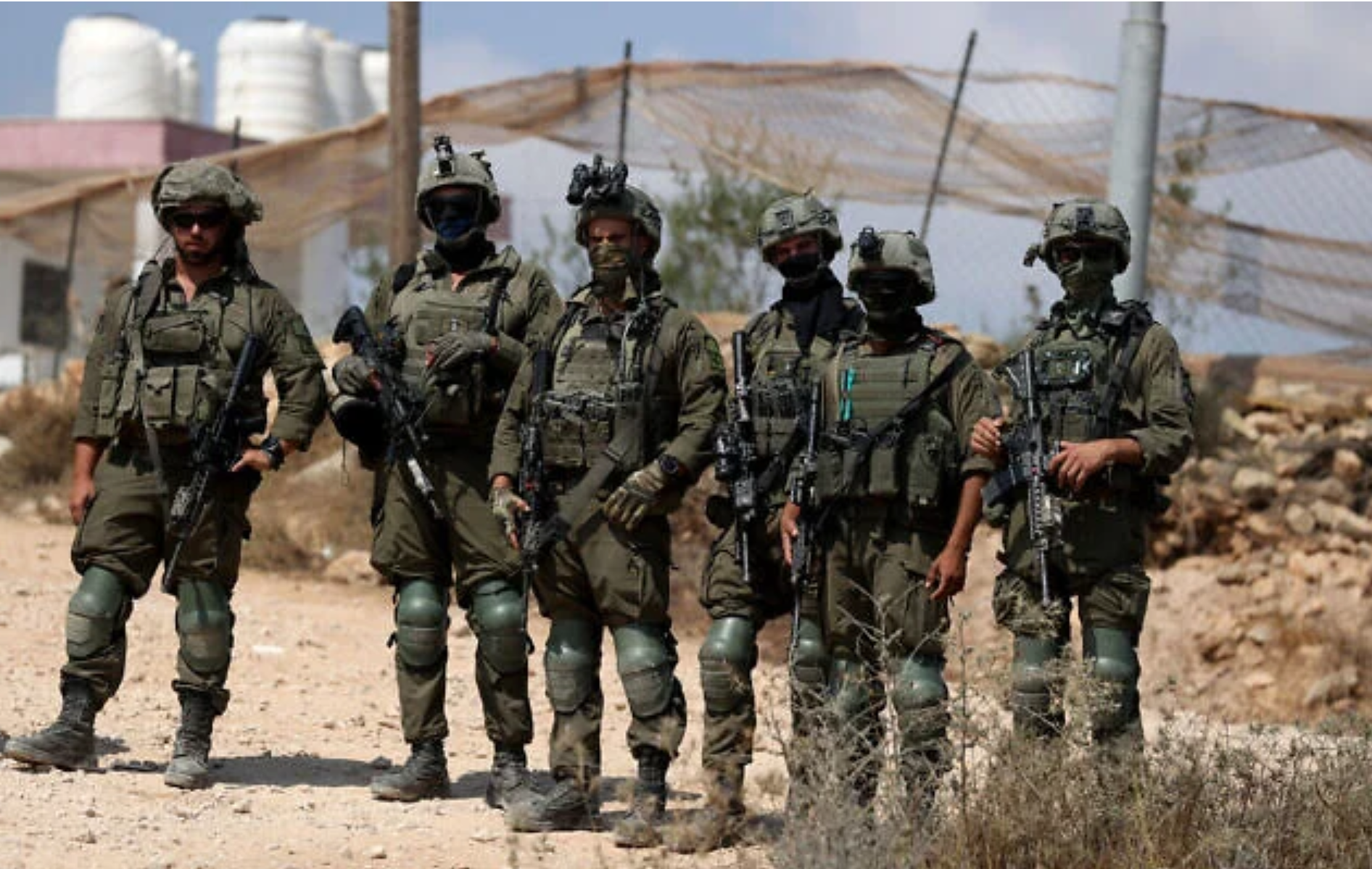
IDF troops in the village of Qusra, south of Nablus, West Bank, on August 14, 2026. (FLASH90)
We have cheapened the word hero until it means little more than a compliment. A teacher who stays late, a doctor who works a double shift, a police officer who shows up for duty all deserve respect, but admiration is not the same as heroism. A hero is the person who could look away and does not. They act to protect, lift, or serve others at real cost to themselves. Israel has lived inside that cost for three years. The country knows the difference between applause and sacrifice because it has watched both up close.
The quietest heroes wear a uniform and come home without a story. They sit at the Shabbat table and talk about the food. They do not describe the alley in Khan Younis or the stairwell in Jenin. They do not mention the second they chose a doorway instead of cover so a teammate could move. Their families learn the truth later, if they learn it at all.
Other heroes sit in rooms with maps and clocks. An elected leader who authorizes a strike at two in the morning carries a weight the public will never fully see. They know the names that may appear in the morning papers and the hostages still waiting. The nation sleeps and they do not. History will argue over their choices. History should also record that they chose to serve while the rest of us were in bed.
There is another kind of hero, closer to the pavement. A father walks his child to a playground in Judea and Samaria or to a bus stop in the center of the country. A gun appears, the man with the gun is a Palestinian terrorist and the barrel is already turning toward a child. The citizen draws and fires. He will spend the next months answering investigators and watching strangers debate his character online. In the second that mattered he did not wait for a unit to arrive. He put his body between murder and a child.
These people are not abstractions. They are our neighbors. They are the reason this country still stands.
Jews, Israelis, and Zionists now face a rarer test. After a long war and a hard victory, comfort tempts us. We want the ordinary week. We want the trip, the promotion, the argument about housing prices. Those desires are human, but they become a problem when they become the whole of our ambition.
A moment of victory is a dangerous gift. It can produce gratitude, but it can also produce softness. Enemies study both. They measure whether we treat survival as an ending or as a demand.
The demand is simple and heavy. Put the nation ahead of the private score. Look for the hour that needs a backbone and step into it before it finds you. That hour will not always look like a battlefield. It may look like a campus hallway where a student is told that Zionism is a stain. It may look like a boardroom that wants the Israeli flag taken off the wall so a contract can close. It may look like a family dinner where someone repeats a fashionable lie about Jewish power and everyone reaches for the salad. Heroism in those rooms is speech that costs something like friendship, a grade, a deal or approval.
It may also look like reserve duty accepted without a performance of martyrdom. It may look like a parent who raises a child to love this land without apology. It may look like a donor who funds a scholarship in Sderot instead of a gallery opening that flatters him. It may look like a journalist who prints the names of the murdered and the names of the murderers in the same paragraph.
None of that requires a medal. All of it requires a decision.
Israel was built by people who made that decision when the odds were worse. Farmers who drained swamps, refugees who learned a language at forty, pilots who flew planes that should not have flown, and mothers who sent sons and then sent the next son. We inherit their work only if we inherit their standard.
The standard is not perfection. Heroes bleed and err. Some of the men who saved lives later failed their own families. Some of the ministers who chose well at midnight chose poorly at noon. Heroism is an act, then another act. It is a habit under pressure.
We should stop handing the title to anyone who merely occupies a respected job. Keep the word scarce so it still means something when we need it. Reserve it for the soldier who comes home quiet, the leader who decides in the dark, the civilian who stops a killer before the shot is fired.
Then ask a harder question. Where is my hour? If you live in Tel Aviv or Teaneck or Toronto, the hour is waiting in a smaller form. Defend the hostage families when the news cycle moves on. Visit the wounded when the cameras leave. Learn enough history to answer a slander without shouting. Buy from the vineyard and the factory that stay in this country when others leave. Vote as if the border is real. Speak as if your grandchildren will read the transcript.
Zionism at its best was never a mood. It was a willingness to pay. The payment changes with the decade. In 1948 it was a rifle and a tent. In 1967 it was a week that remade a map. In this decade it has been tunnels, pagers, funerals, and the long work of bringing people home. The next payment may be quieter, but quieter is not cheaper.
A people that has just fought for its life can waste the peace by treating it as a spa. It can also use the peace as a workshop. Build. Have children. Guard the roads. Tell the truth about who started the killing and who ended it. Refuse the luxury of self-absorption that affluent nations confuse with virtue.
Look at the young soldiers who returned from Gaza with a limp and a joke. Look at the doctors who ran wards when the rockets came. Look at the reservist who missed a year of wages and still shows up to serve. They already did their part. The rest of us are on the clock.
Find the moment. We cannot wait for the moment to find us, we must find the moment. Do not wait for it to tap you on the shoulder. Israel does not need more slogans. It needs more people who accept a cost. That is the work of a hero in a living country. The battlefield made some of us. The years ahead will reveal the rest.
Related Topics
Related Posts