This Is Judaism: Isaiah for This Moment – Yom Kippur 5787
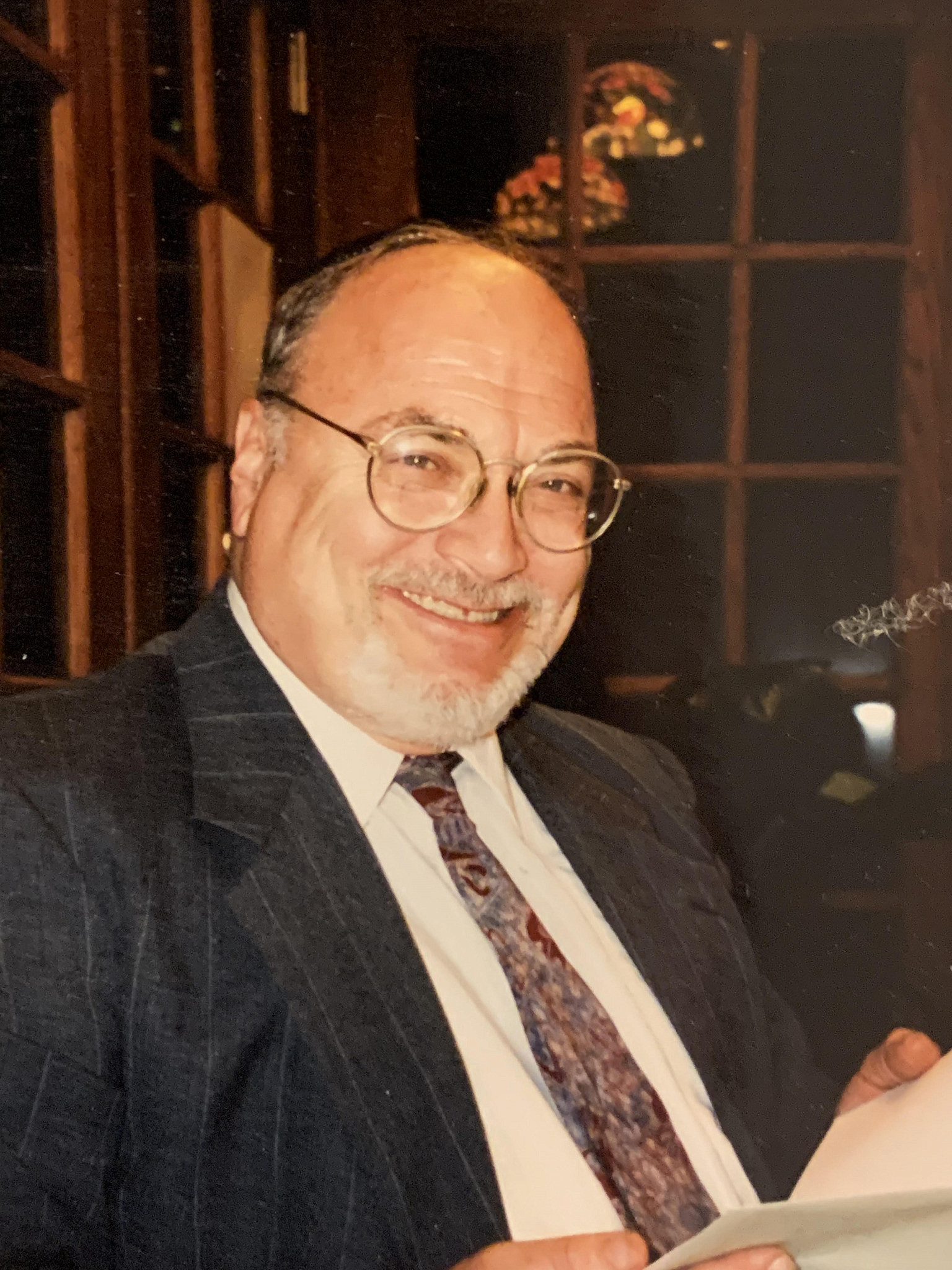
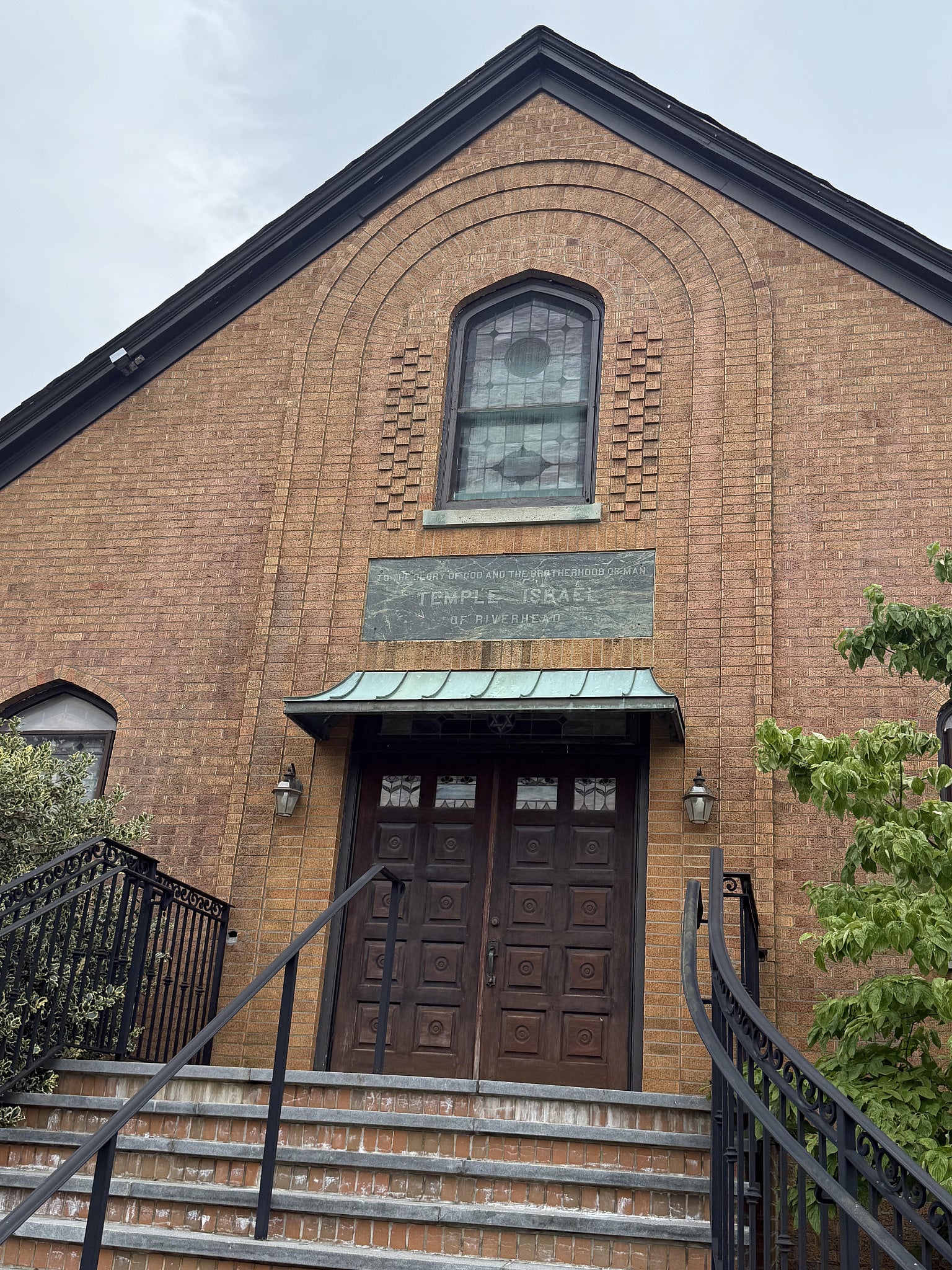
My father used to tell me a story. I think it was about his first congregation in Riverhead, Long Island, though I’m not completely sure anymore.
Towards the beginning of his tenure there, he gave a sermon about the Vietnam War, about Jewish teachings on war, about what makes a war just or unjust and why that war was not defensible.
On Monday morning, the synagogue president asks to meet with him.
He comes in: “Rabbi Lerner, very thoughtful sermon. Very well researched; but some people were uncomfortable. Maybe stay away from politics.”
So the next Shabbat my dad talks about Shabbat. The holiness of the day. The gift of stopping. Taking the day off from work.
Monday morning, the president is back.
“Beautiful sermon. But many of our members have businesses that are open on Shabbat. You didn’t make them feel so great.”
So the following Shabbat, my dad speaks about kashrut.
Monday morning, the president comes back again.
“Again, Rabbi Lerner, really compelling. But most of our members don’t keep kosher, and so I think it made some of them uncomfortable.”
A bit exasperated, my dad asks:
“So, what exactly would you like me to talk about?”
The president thinks for a moment and says:
“Judaism!”
***
I love that story. Whether it’s only my dad’s or not.
In the Haftarah on Yom Kippur, the prophet Isaiah is talking to people who are doing something very Jewish.
They are fasting.
They are praying.
They are afflicting themselves.
They want to be close to God.
And they cannot understand why God does not seem impressed.
Isaiah explains:
“Because on your fast day you see to your business and oppress all your laborers. […] Your fasting is not such as to make your voice heard on high.” הֲלוֹא זֶה צוֹם אֶבְחָרֵהוּ
“Is this [really] the fast I choose?”
And then he tells them what God is looking for: פַּתֵּחַ חַרְצֻבּוֹת רֶשַׁע
Break the bonds of wickedness.
Let the oppressed go free.
Share your bread with the hungry.
Bring the poor into your home.
Clothe the naked.
***
The problem is not that they are fasting.
Isaiah is not against ritual.
In fact, at the end of this very chapter he speaks beautifully about Shabbat.
The question is what the ritual is supposed to do to us.
***

So, what is Judaism?
If I spend twenty-five hours feeling hunger, and emerge no more sensitive to the hunger of another person, Isaiah seems to ask: What exactly happened?
If I spend a day examining my life, confessing my sins, asking for forgiveness, and then return to the world exactly as I entered it, what was the fast for?
Maybe fasting is supposed to make us more awake not just to ourselves and God, but to what is happening around us.
Because it is one thing to say that Judaism cares about the poor, or human dignity, or justice – these core Jewish principles.
But it’s another thing to ask what those principles actually require.
***
Rabbi Jill Jacobs does this beautifully in a Conservative teshuvah, a religious responsum, about workers.
She begins with a quote from Deuteronomy: “Do not oppress a poor and needy worker.”
Pay the worker on time, the Torah says, because that person’s life depends upon those wages.
The rabbis strengthen the obligation.
The Talmud compares withholding a worker’s wages to taking that person’s life.
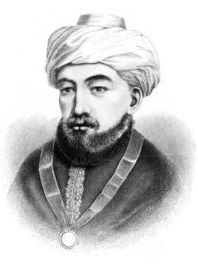
Basing himself on a teaching in the Jerusalem Talmud, Rambam rules that certain communal workers whose salaries are inadequate should receive additional money from communal funds to meet their household’s needs.
And then Rabbi Jacobs asks the next, really, really hard question:
What does “enough to live on” mean in America today?
Now we are no longer just talking about a beautiful core Jewish principle.
Jacobs does not stop at saying, “Pay people a living wage.”
She asks: How do we actually figure out what that is?
She looks at a local living-wage standard.
The cost of housing.
A self-sufficiency calculation.
The poverty level.
Area median income.
And she says the wage should meet at least two of these standards so that an employer cannot simply look through the different formulas and choose the one that costs the least.
Think about that movement.
Torah.
Talmud.
Ramban.
Rambam.
Housing costs.
Poverty levels.
And finally, an actual number on somebody’s paycheck.
***
That’s Judaism.
That’s Isaiah for this moment.
Judaism does not give us only core principles and leave them floating somewhere above our heads.
We bring thousands of years of teachings into conversation with this moment.
The ancient text has to encounter the real world.
Otherwise it stays safely on the page.
And Jacobs reaches a conclusion: workers should be treated with dignity, paid a living wage, protected from unsafe conditions, and allowed to make their own decisions about organizing.
The Committee on Jewish Law and Standards approved her teshuvah by a vote of thirteen to one, with three abstentions.
It is the standard for our movement in Judaism.
And the argument does not stop at the walls of a synagogue or a Jewish institution.
Jacobs has continued this work, teaching that these Jewish legal and ethical principles and policies should shape not only how we behave as employers, but also our communal advocacy.
***
That is the serious answer to the president in my father’s story.
This is Judaism.
Not just stating our principles.
But what they require when they encounter the actual world.
And, of course, that does not mean we will agree with every public policy conclusion of our movement or any movement in Judaism.
We will disagree.
But disagreement does not release us from the question.
What does this teaching require of us right here and right now?
Isaiah will not let “it’s complicated” become the end of the conversation.
There is still a hungry person.
***
And if Isaiah is going to speak to this moment, one place I keep thinking about these days is our democracy.
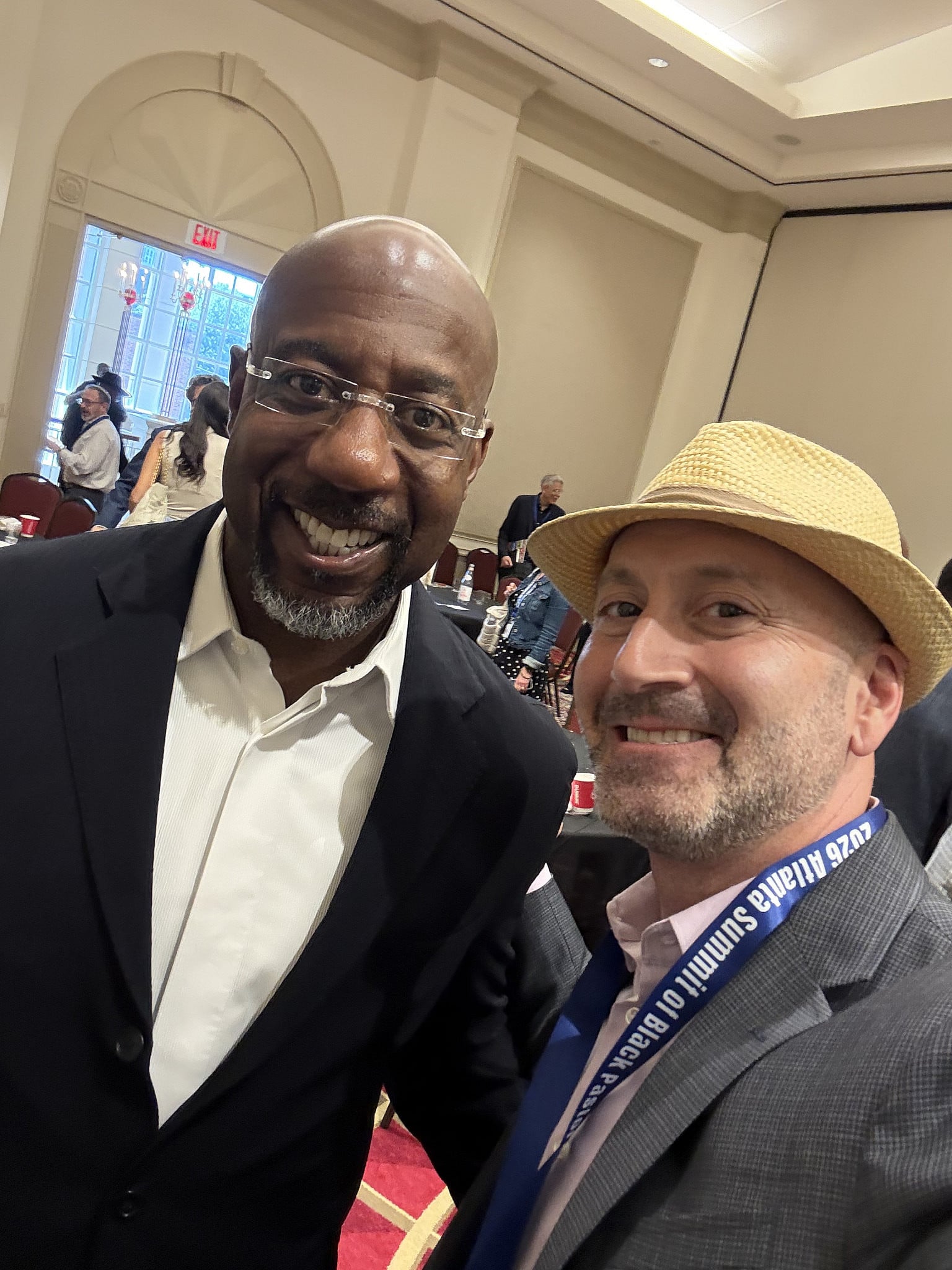
At the Black Pastors and Rabbis Summit I attended in Atlanta a few weeks ago, one thing our Black partners asked us to pay attention to was voting rights.
Our country has real disagreements about voter identification, redistricting, election administration, and the proper roles of state and federal government.
Those arguments matter.
But underneath them is something pretty basic:
Eligible citizens should be able to vote.
Valid votes should be counted.
So the question I want to ask is not: Did you vote the way I would have voted?
It is:
What responsibilities come with living in a democracy?
What do we owe one another as citizens?
What does responsible citizenship look like when we disagree?
For some of us, the next step may begin with learning.
Come with me on Temple Emunah’s first Civil Rights Trip to the South.

Let’s walk those roads ourselves.
Let’s learn about the courage, the failures, the progress, and the unfinished work.
And our Democracy Initiative gives us another place to take these questions seriously together.
To learn. To listen.
To participate in the civic life we share.
Not because Judaism hands us one political platform.
It doesn’t.
But because Isaiah does not allow religious life to remain sealed inside the synagogue.
*****
Friends, in a few minutes, we will recite Yizkor.
And I’ll think about my dad.
During the Vietnam War, he created the first draft counseling service in a synagogue in the country.
Later, he pushed his congregations toward egalitarianism when that was not always the easy or popular thing to do.
He believed Torah had to matter in the world people were actually living in.
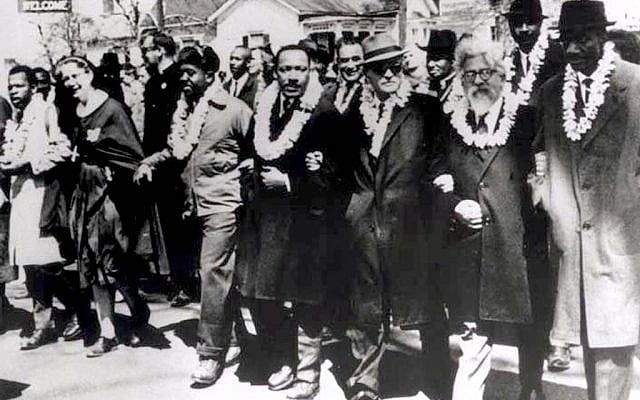
His teacher, Rabbi Abraham Joshua Heschel, came back from Selma and famously wrote:
“I felt my legs were praying.”
We are praying with our mouths today, with our bodies as we fast.
But Isaiah asks what happens when the fast is over.
הֲלוֹא זֶה צוֹם אֶבְחָרֵהוּ
Is this the fast I require?
Maybe the measure of the fast is not only whether we did it.
Maybe it is whether the fast did something to us.
Did it make us a little more awake?
Did it make us notice something, or someone, we had stopped noticing?
Did it make us ask what responsibility we carry for the world we return to tonight?
The fast ends tonight.
Isaiah’s question does not.