Writing on Jewish life, relationships, trauma, and resilience
This Year, Let Love Lead
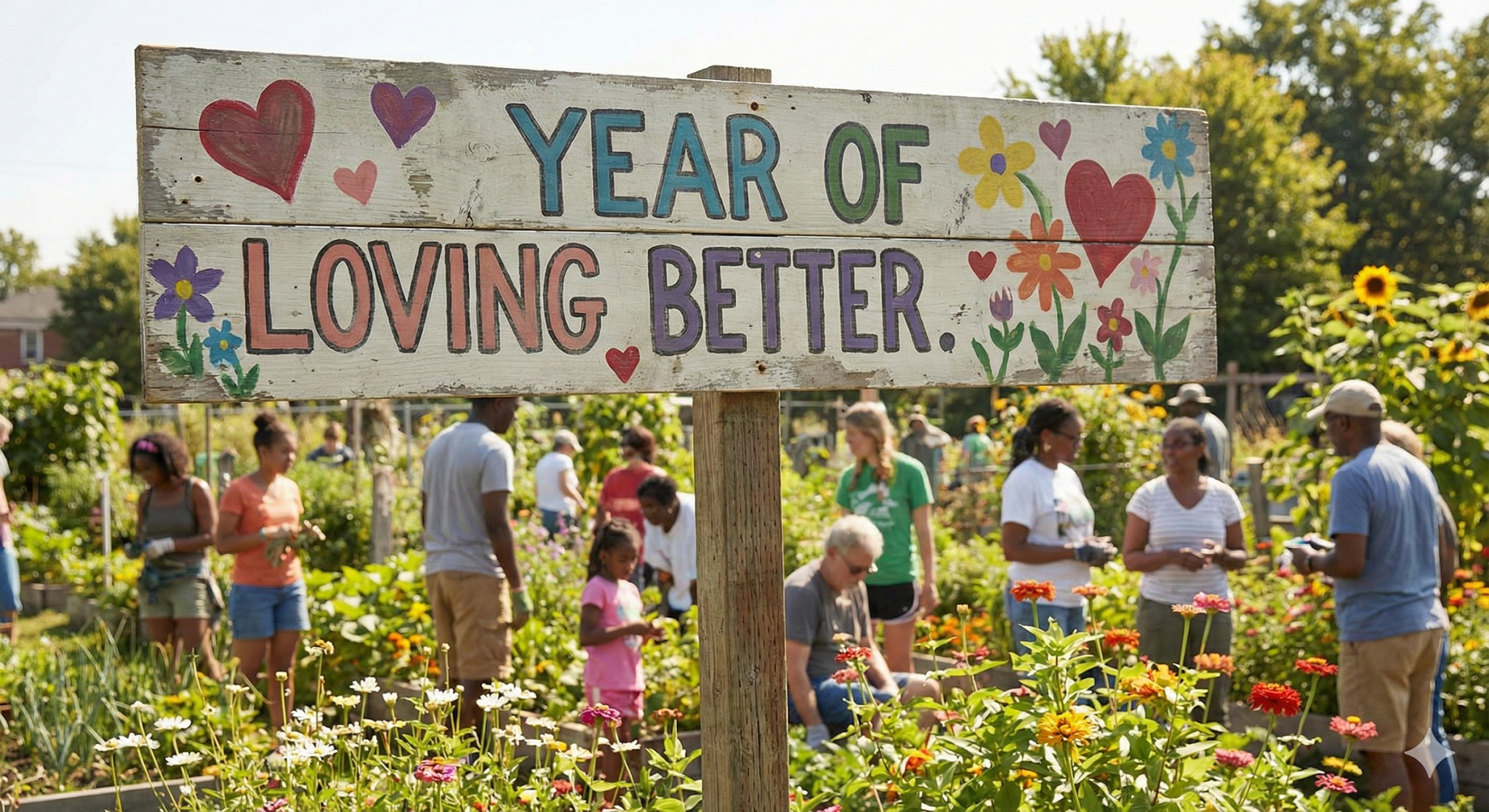
Illustrative. AI image created by the author.
In Jewish life, we are guided by sacred rhythms — daily, weekly, and yearly invitations to return, reflect, and repair. As we prepare to cross the threshold into 2026, another door quietly opens: the door to deeper connection, more courageous love, and perhaps, long-overdue healing.
Because beneath the noise of resolutions — about health, success, or productivity — a quieter truth often stirs in the human heart:
This year, I want to love better.
Love Is a Skill — And It’s Learnable
At the PAIRS Foundation, we’ve spent decades teaching that love isn’t just something you feel — it’s something you practice. And when you practice it with intention, the impact is felt not only in your closest relationships, but in your physical and emotional well-being.
In Jewish tradition, this echoes the call of shalom bayit — peace in the home — not as a passive state, but as something that must be nurtured with compassion, accountability, and care.
From a medical perspective, the evidence is clear:
-
Loneliness and unresolved conflict increase the risk of chronic illness, heart disease, anxiety, and depression.
-
Emotional safety and secure connection strengthen immunity, reduce inflammation, and improve long-term health outcomes.
Tools like structured communication, guided emotional release, and confiding vulnerability have measurable effects on the nervous system, heart rate variability, and cortisol levels.
What It Looks Like to Love Better
The skills we teach at PAIRS aren’t theoretical. They are rituals of connection — grounded in empathy and emotional literacy. A few examples:
-
The Daily Temperature Reading creates space for appreciation, hopes, and concerns — helping people feel seen and safe.
-
Emptying the Emotional Jug helps release pain before it becomes anger or silence.
-
Fair Fight for Change transforms conflict from a battleground into a bridge.
-
Love Knots and Grudge Letters support forgiveness — one of Judaism’s most vital spiritual practices.
-
The Museum Tour of Past Hurts invites us to witness each other’s emotional origin stories, not just our behaviors.
These aren’t just exercises — they are acts of teshuva, returning to our best selves and choosing to repair what we once avoided.
Healing the Body by Healing Relationships
Dr. Alexander Eisenberg, DO, writes:
As a physician, I see the impact of relational stress on health daily. People come in with chest pain, fatigue, insomnia — and often what’s really behind it is a fractured connection, unresolved grief, or emotional suppression.
But when people learn to express themselves safely, to confide their truth, and to feel emotionally met, healing begins — not only in their hearts, but in their bodies.
Tikkun Olam Begins at Home
We speak often about tikkun olam — repairing the world. But perhaps the greatest act of repair begins at the kitchen table, in the late-night conversations, the hard truths spoken with kindness, the courage to listen without defense, and the willingness to forgive.
Learning to love better is not just a personal journey — it’s a spiritual commitment.
It is kavod in action — honoring the divine spark in ourselves and one another.
As 5786 Unfolds…
Ask yourself:
-
What would it mean to show up more skillfully in love this year?
-
What unresolved hurt are you ready to stop carrying?
-
What truth are you ready to speak — or hear?
-
What legacy of connection do you want to leave?
Because love that lasts isn’t built on luck. It’s built on practice.
Where to Begin
Start with one small act.
One skill. One moment of honest connection.
Try the PAIRS Daily Temperature Reading tonight.
Download the YODI app and begin exploring tools together.
Take a pause before your next conflict, and try a Fair Fight for Change.
Because the people you love most are not guaranteed tomorrow.
But tonight, you still have time.
Related Topics