Spotlight on Civil Society
Tourism with a Twist
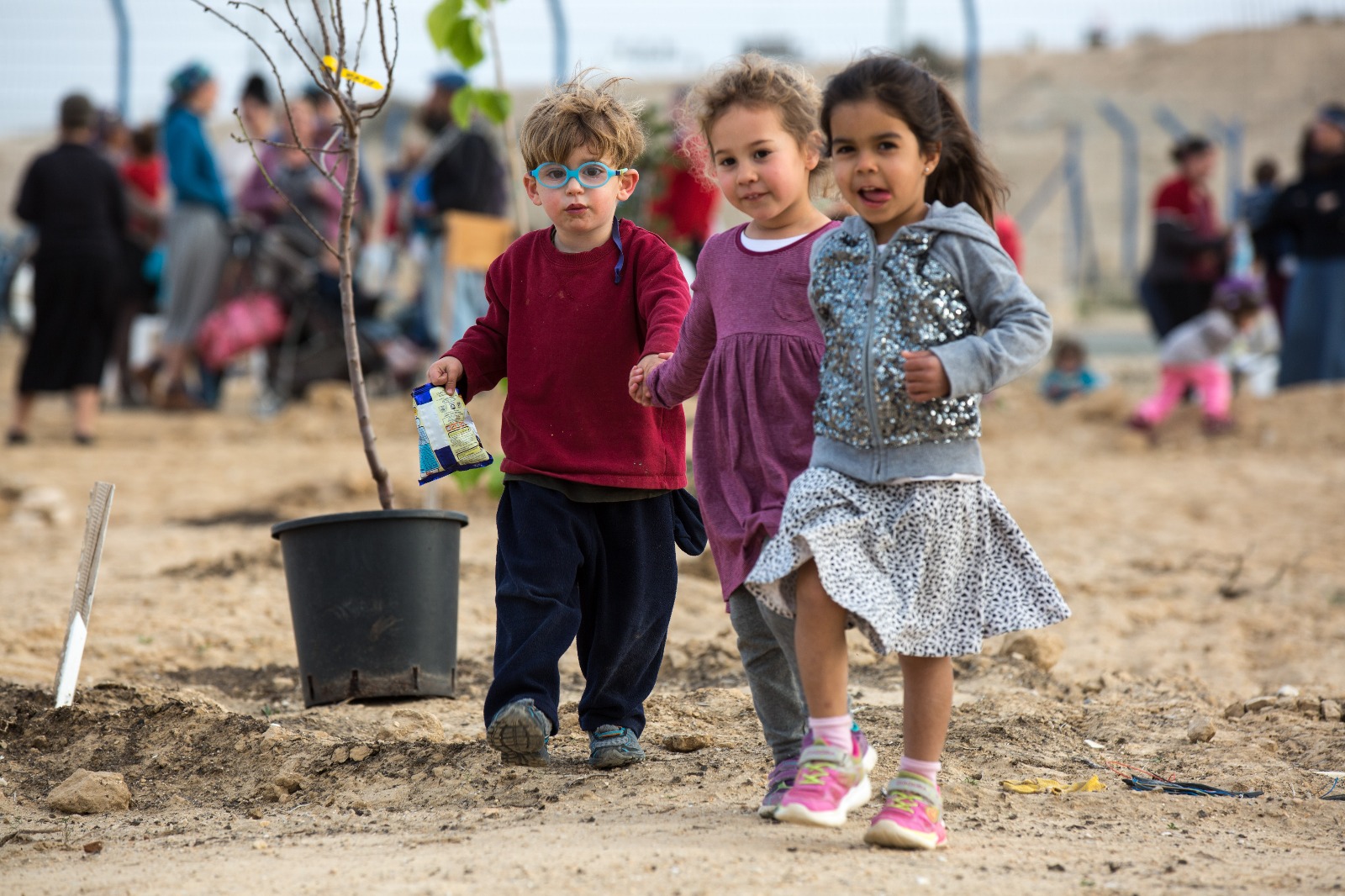
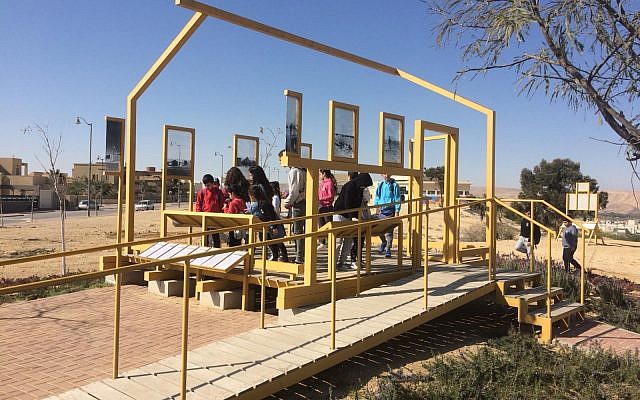
Local children at the first tree planting of the ‘White Hill Farm’, an urban agricultural center for residents of Yerucham and the neighboring Bedouin community of Rachma. February, 2018. (Courtesy of Atid Bamidbar).
Hosting gaggles of kids and family visiting from abroad for years now, I think we have tried almost everything. We have raced around the country, visiting pottery making workshops, family-owned chocolate factories, herb and spice farms, boutique wineries, and horse ranches with rope courses, and we have enjoyed home hospitality for countless meals. Only in recent years did I realize that there is an official name for all of this: community-based tourism. And Israel is full of these opportunities.
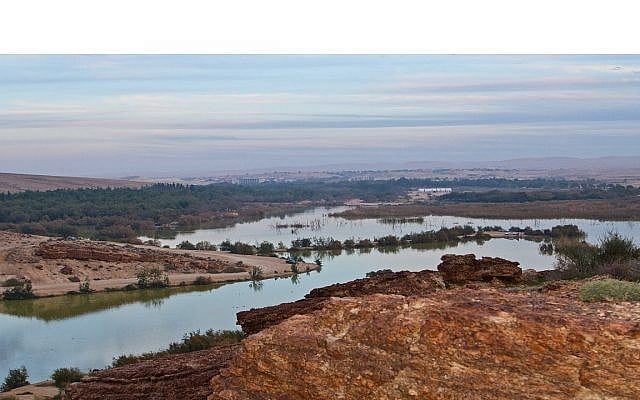
The town of Yerucham is an ideal case study to see how collaborative efforts for community-based tourism work in practice. Can’t find Yerucham on the map? No worries. You will be hearing more about it, no doubt. With a population of 11,000, Yerucham is located right between the Yerucham Lake and the Yerucham Crater, and is well situated for any adventurous exploration of the Negev Desert. The town has made headlines in recent years for its unique Science Center, and is fast on its way to becoming a leader in robotics education.
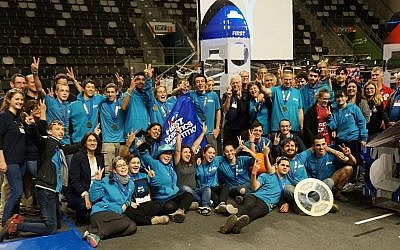
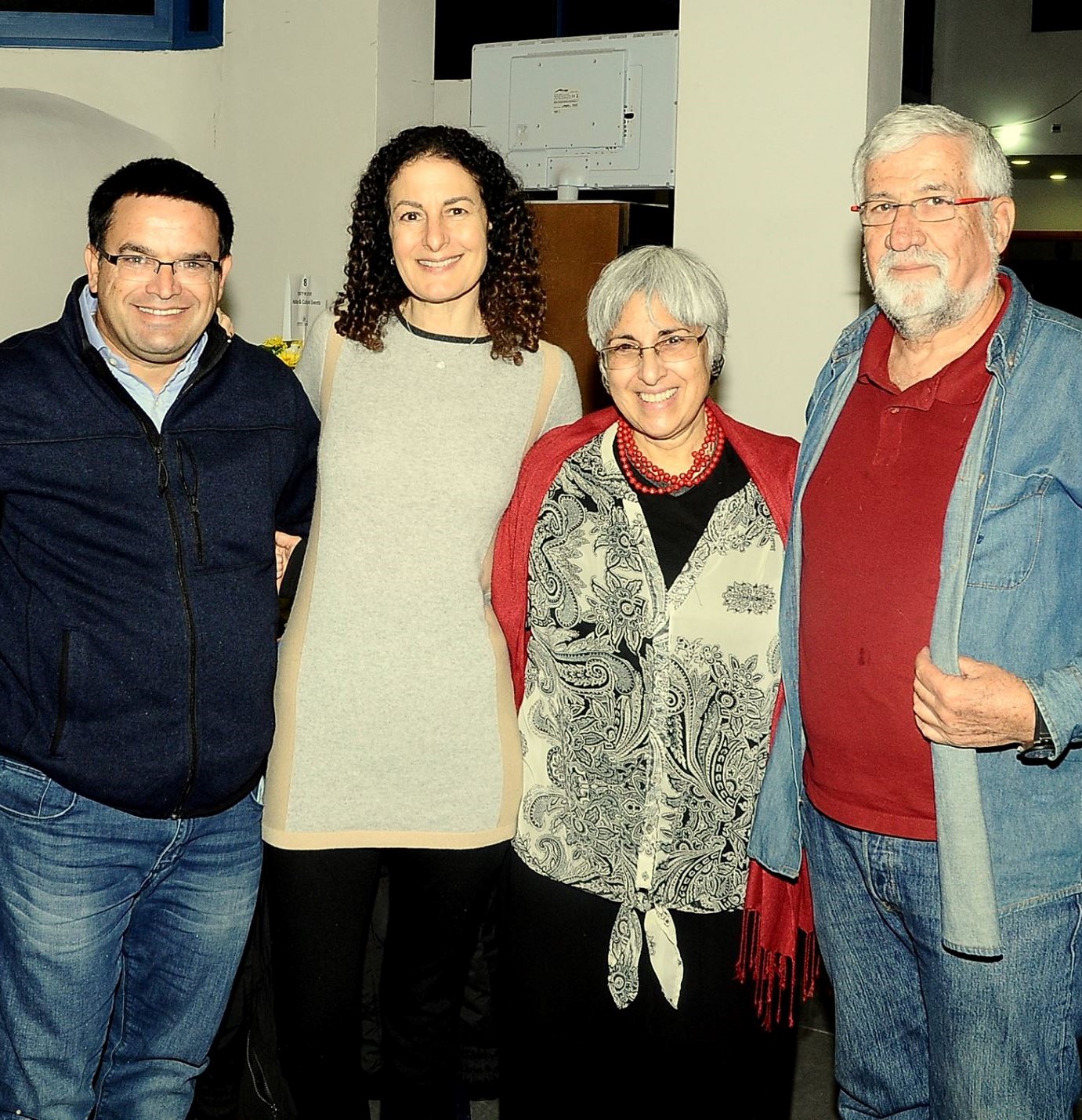
The first female mayor of Yerucham, Tal Ohana, was elected in October 2018, and is part of a new generation of leaders who have helped to spark development in industry, real estate and tourism in recent years. And even the birds seem to be cooperating, with a flock of rare songbirds making the news recently for an unexpected appearance over the Yerucham Lake for the first time in 50 years.
So what does community-based tourism look like in Yerucham? Well, first you will want to offer a place to stay. Back in 2014, a few years before terms such as ‘impact investing’ in Israel became popular, Yerucham became home to the first ‘social hotel’ in the country.
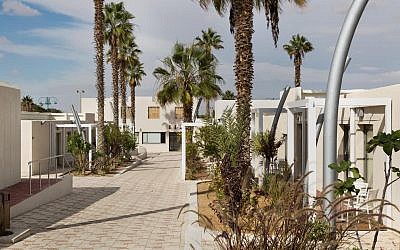
Envisioned as an anchor to enhance the tourism potential of the town, the Desert Iris Hotel was established by the New Yerucham Foundation (led by the former mayor, Amram Mitzna), together with private and public partners, including the Greater Miami Jewish Federation. As a social business, the bulk of the profits of the Desert Iris Hotel go directly to the community, specifically for social and educational programs for children in Yerucham. And by design, the majority of the hotel employees and suppliers of the hotel are residents of Yerucham or the surrounding areas.
Next, you will want to showcase the local community. And indeed, decades before the term community-based tourism became well known, the nonprofit Atid Bamidbar (“Future in the Desert” in Hebrew), was working on creating a local tourism industry not only based on communal participation, but on the celebration of the distinct cultures and heritage of Yerucham. Atid Bamidbar can coordinate everything from robotics workshops at the Science Center to sessions with local residents who have diverse ethnic histories and visits to the neighboring unrecognized village of Rachma to be hosted in a Bedouin tent or to see their joint ‘urban farm’ project with Yerucham.
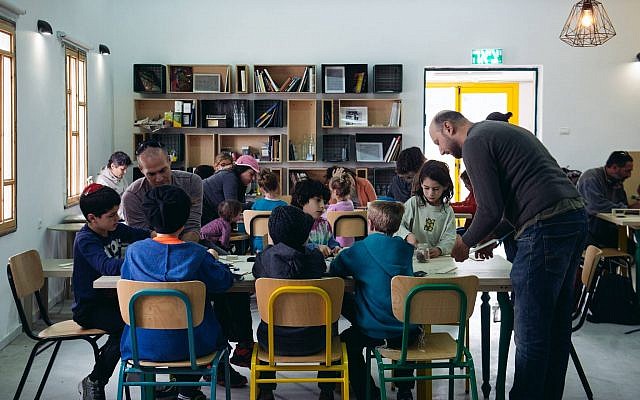
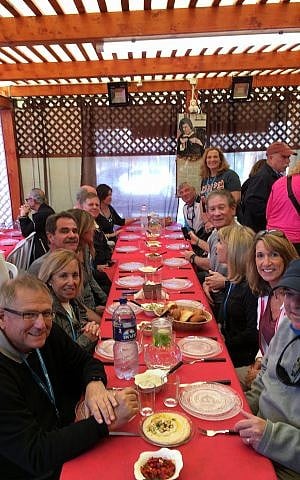
Visitors to Yerucham can easily find lists of local guides for nature tours, workshops at the Yerucham Design Terminal, bike riding adventures and eco-tourism projects such as the Yerucham Center of Ecology and Ornithology. And back at the Desert Iris Hotel, the staff will be the first ones to recommend the “Culinary Queens of Yerucham” for a real local culinary experience over its own dining options.
The “Culinary Queens of Yerucham” is a project initiated by Atid Bamidbar back in 2002. Built on the principles of community-based tourism, the project trains women aged 50-75 from diverse ethnic groups to host visiting groups. This effort has proven its tourist appeal and has provided a welcome income for women who mostly have never worked outside their home. These “Culinary Queens” have the opportunity to share their distinct family and ethnic culinary traditions with visitors, numbering so far, on average,10,000 a year from both Israel and abroad.
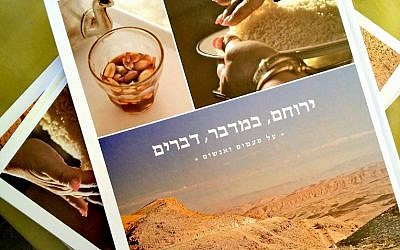
And the stories that the visitors get to hear are as wonderful as the food. As one of the of the first development towns established in the early 1950s, Yerucham began as a transit camp for new immigrants coming from Romania, North Africa, India and Iran. Geographically isolated for decades, the town had suffered over the years from economic stagnation and limited opportunities for social mobility. Yet in addition to the history of hardship, there is another narrative that the women tell, and that is the story of resilience and their many efforts to create a better life for subsequent generations.
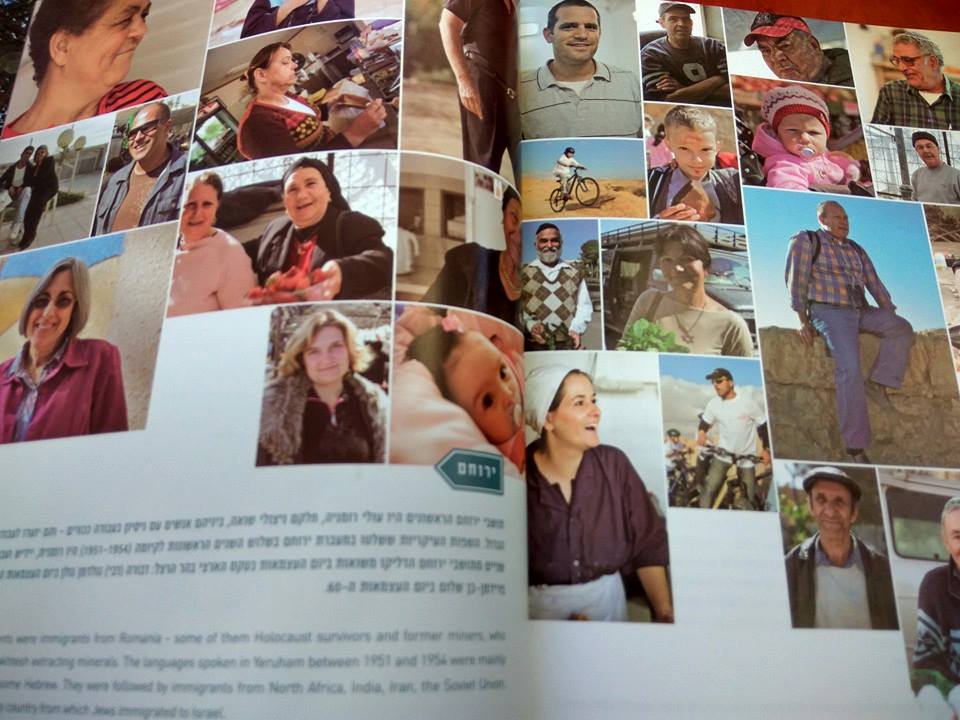
In the end, the real ‘takeaways’ from tourist activities are the stories you’ll remember, the people you’ll meet and the memories you’ll cherish. The home hospitality of the “Culinary Queens of Yerucham” is just one of the many opportunities for meaningful interaction. Since its establishment in 1990, Atid Bamidbar has been gathering stories from residents and is continually finding creative ways to preserve and celebrate their diversity. It founded a communal archive, and is now working with the Yerucham municipality to establish a ‘Heritage House’, as part of nationwide project initiated by the Ministry of Culture in 2018 to showcase the history of development towns around the country.
There are still many challenges to overcome in Yerucham. But you can also sense how the efforts to strengthen the community and expand its tourist potential are taking root, helping to promote a sense of civic pride. There is a vibrancy and vitality to the myriad of collaborations between private and public sectors, and the Miami-Yerucham partnership serves to boost many of these initiatives. These collective efforts are together putting Yerucham on the map for all of the right reasons.
Related Topics