Owner of the world's largest Herzl collection
Treasure Trove: Chaim Weizmann, Part 4 of the Independence Day Series
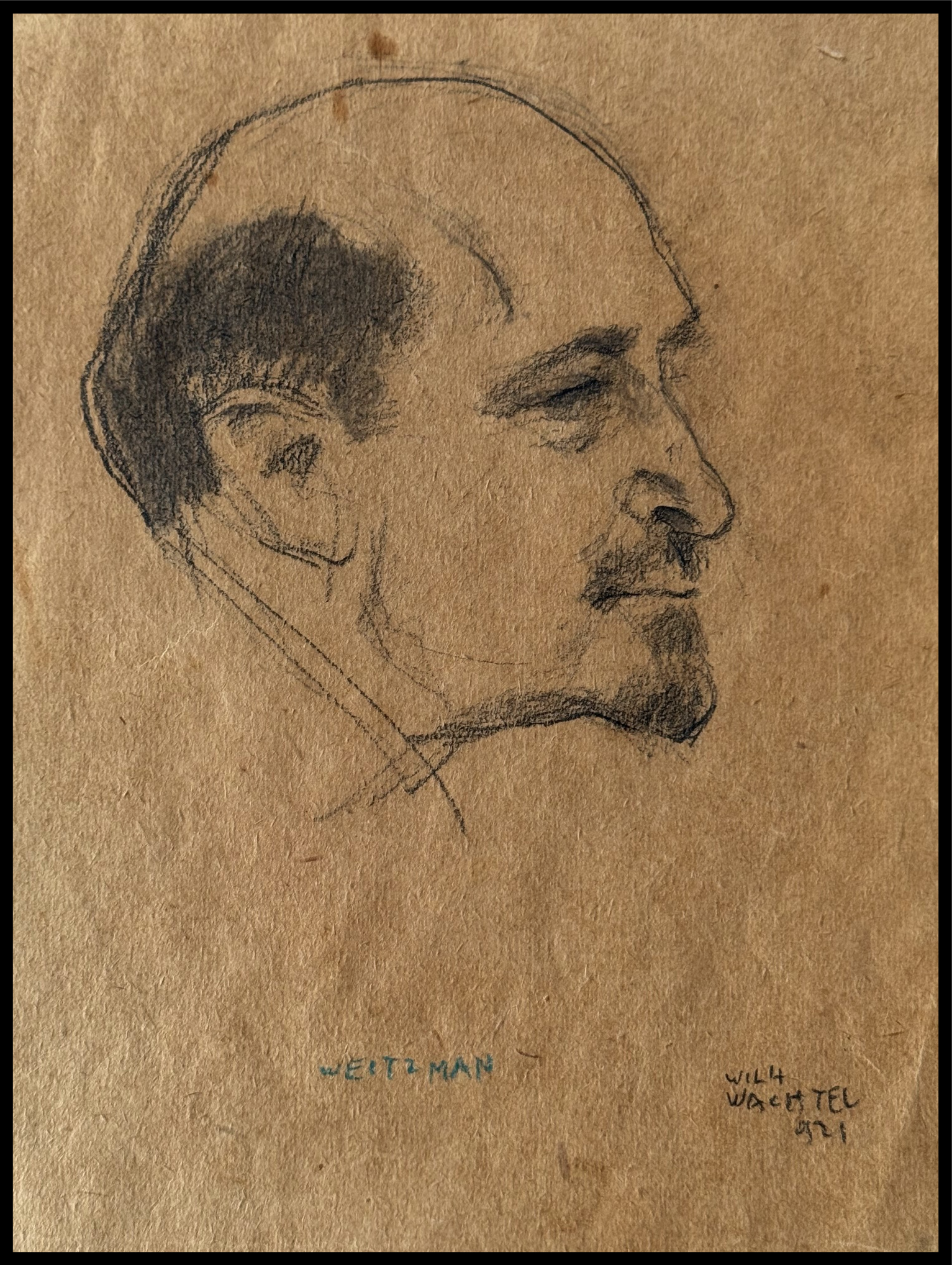
From the Herzl and Zionism Collection of David Matlow, Toronto (www.herzlcollection.com). Photograph by David Matlow.
This is the fourth part of Treasure Trove’s celebration of Israel’s 78th Independence Day.
On May 14, 1948 David Ben Gurion read Israel’s Declaration of Independence and proclaimed the State into existence. The 37 members of the Moetzet Ha’am (the People’s Council, the temporary pre-State legislative body that became the temporary government upon independence) signed the document. Chaim Weizmann, who two days later became Israel’s first President, was not given the privilege of signing the document that created Israel even though Ben Gurion recognized him as the person who did “more than any other living man toward its creation.”
Weizmann (1874 to 1952) dedicated his life to his two passions: Zionism and chemistry. He was first exposed to chemistry by an enlightened heder (religious school) teacher who taught some math and sometimes showed a chemistry text to the students. As an eleven year old prodigy Weizmann was sent from his shtetl to Pinsk to attend high school. He completed a doctorate in Switzerland in 1899 and supported himself through the sale of his inventions.
These revenues also helped him pursue his Zionist work. In 1904 he accepted a post at the University of Manchester which enabled him to advance his scientific career and his position within the Zionist movement as it was developing relationships with the British government.
Weizmann’s area of research was synthesis. He developed synthetic dyes and, after the outbreak of World War I, invented synthetic acetone which is used in explosives and was critical to Britain’s war effort. This invention gave him access to Britain’s leadership which he leveraged to benefit the Zionist movement. Between 1914 and 1917, Weizmann held more than two thousand meetings, interviews and conversations advocating for a Jewish state. These efforts resulted in the British Government formally supporting a Jewish homeland by issuing the Balfour Declaration in November 1917.
Weizmann became the President of the World Zionist Organization at the 12th Zionist Congress in Carlsbad held in 1921. Artist Wilhelm Wachtel drew this pencil drawing of Weizmann at that Congress.
Weizmann helped found and also served as the President of the Palestine Zionist Executive which became the Jewish Agency in 1929, helped found and participated in the cornerstone ceremony of the Hebrew University in 1918 and in 1934 established the Sief Research Institute which later became the Weizmann Institute.
As the Zionist movement’s senior statesman and the recognized leader of the Jewish people, he successfully lobbied President Truman to support the UN Partition Resolution in 1947 and to include the Negev in the Jewish part. Although he very much wanted to be in Israel when the State was declared, the Jewish Agency asked him to travel to Washington to apply pressure on Truman and his advisors not to renege on the Partition Resolution and to recognize the State of Israel when it was declared (which Truman did 11 minutes after it was proclaimed).
Weizmann was in New York on May 14, 1948 and when he was elected the President of Israel two days later, the country’s flag flew at the Waldorf Astoria Hotel where he was staying.
When he returned to Israel he was disappointed to learn he was not named in the Declaration of Independence, and he was not allowed to sign it even though twelve of the signatories were not in Tel Aviv that day and signed it later (two of whom, like Weizmann, were in the United States at the time). This injustice was partially addressed in 1967, 50 years after the Balfour Declaration and 15 years after Weizmann died, when President Zalman Shazar issued a proclamation that recognizes Weizmann’s role in the creation of Israel, a document that is to be kept with the original Declaration of Independence in Israel’s State archives.
At the end of the Broadway musical Hamilton the cast sings “Who tells your story?”. Since he wasn’t around long to tell it, the stories of Israel’s independence often forget Weizmann.
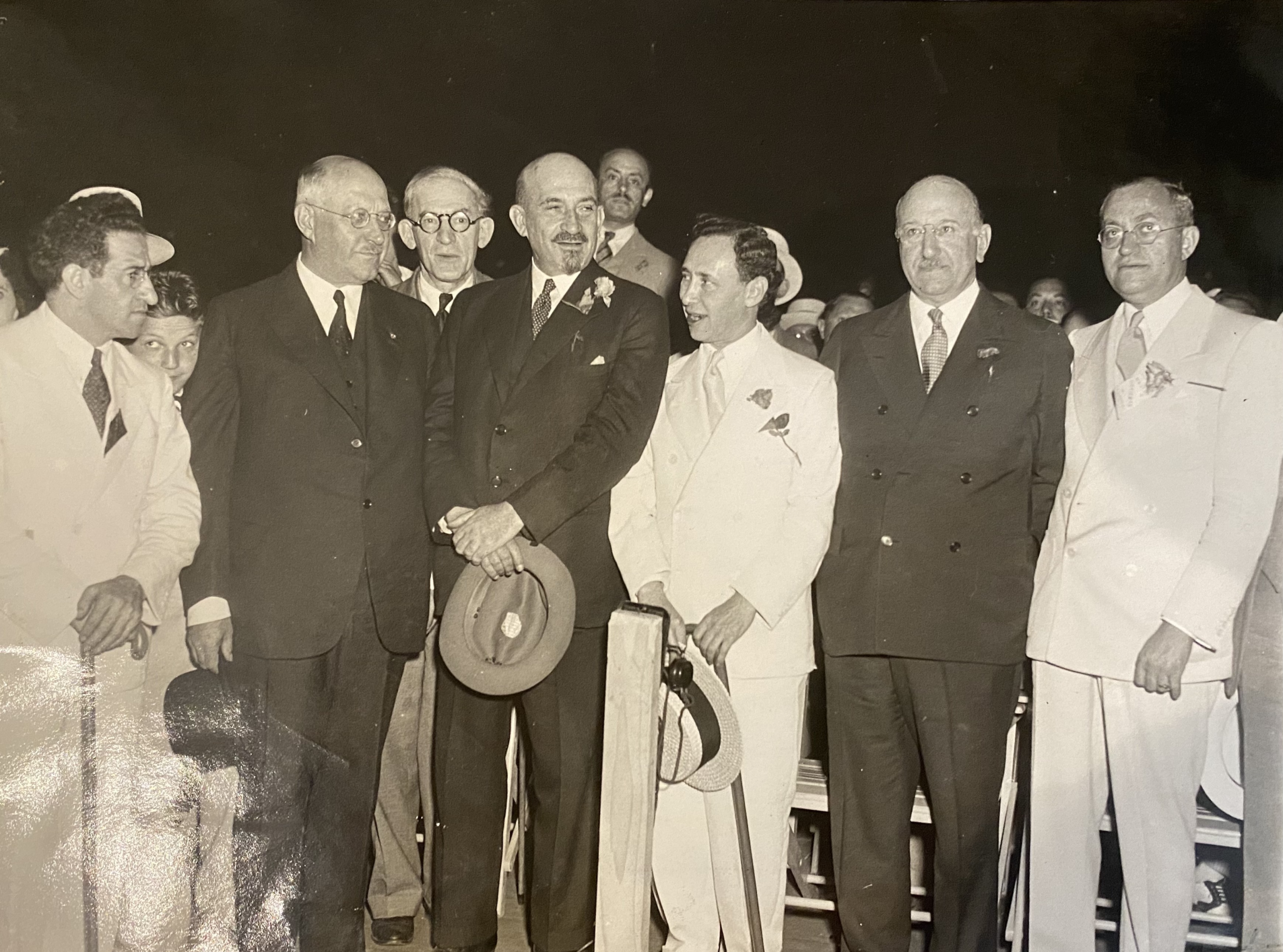
Two Israeli filmmakers, brothers Jonathan and Noam Amir, who are the great grandchildren of Meyer Weisgal who worked with Weizmann for decades, are working on a documentary film to tell the story of Weizmann’s critical role in the creation of Israel. The film is currently in production. Here is a short preview: https://vimeo.com/1178373101/f6573e010b?share=copy&fl=sv&fe=ci
What story will be told of Israel’s experiences over the last three years? It depends on who tells that story.
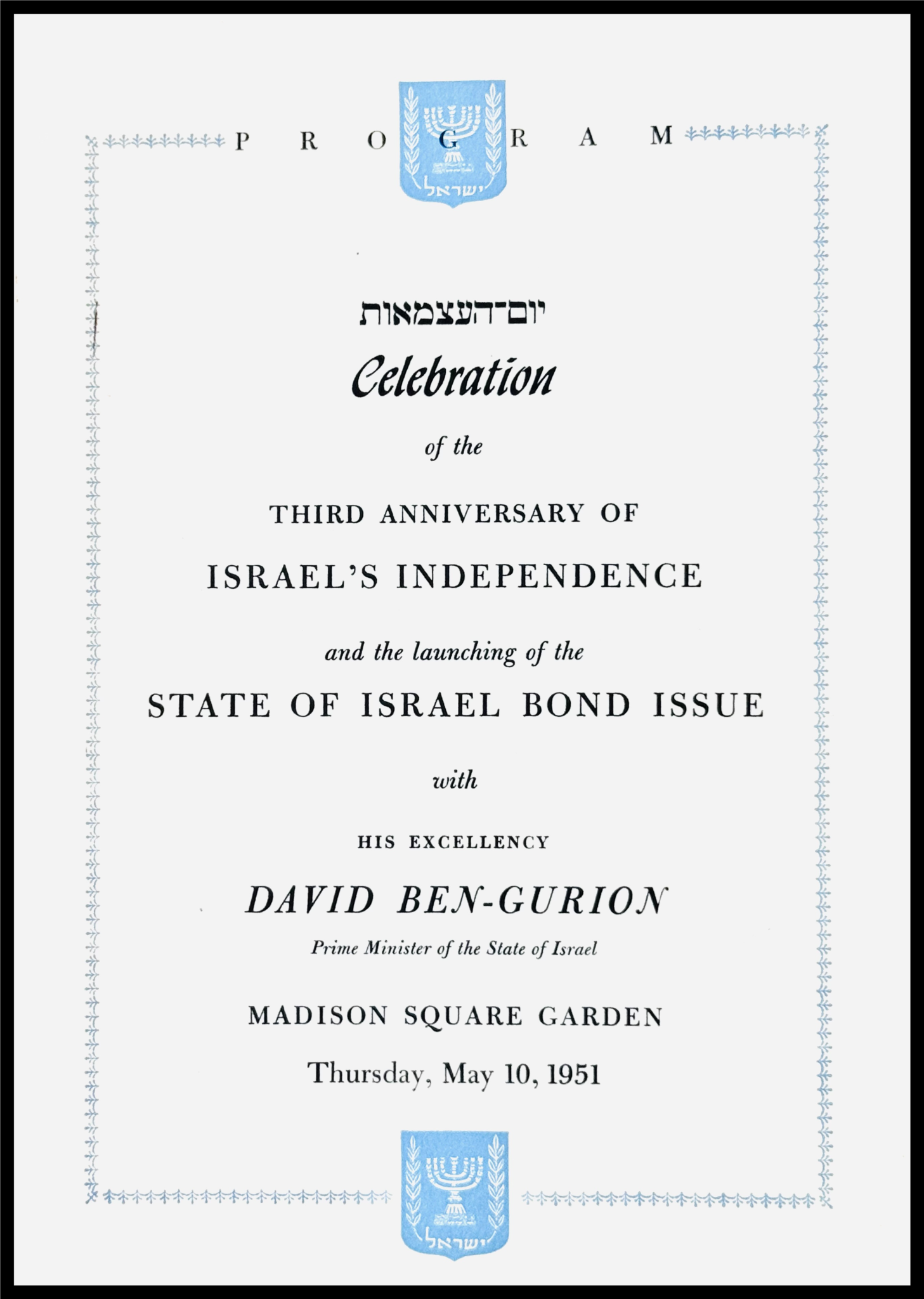
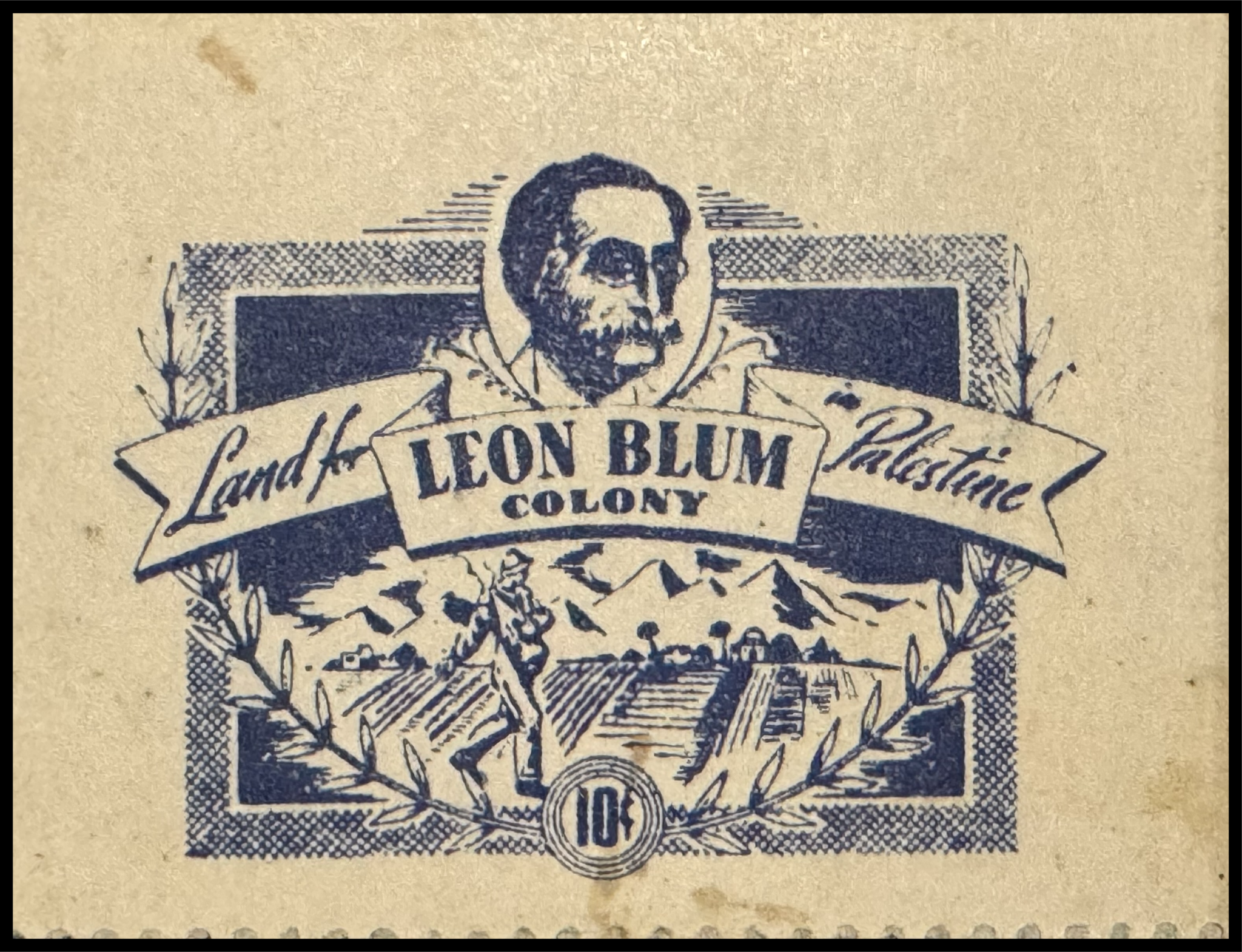
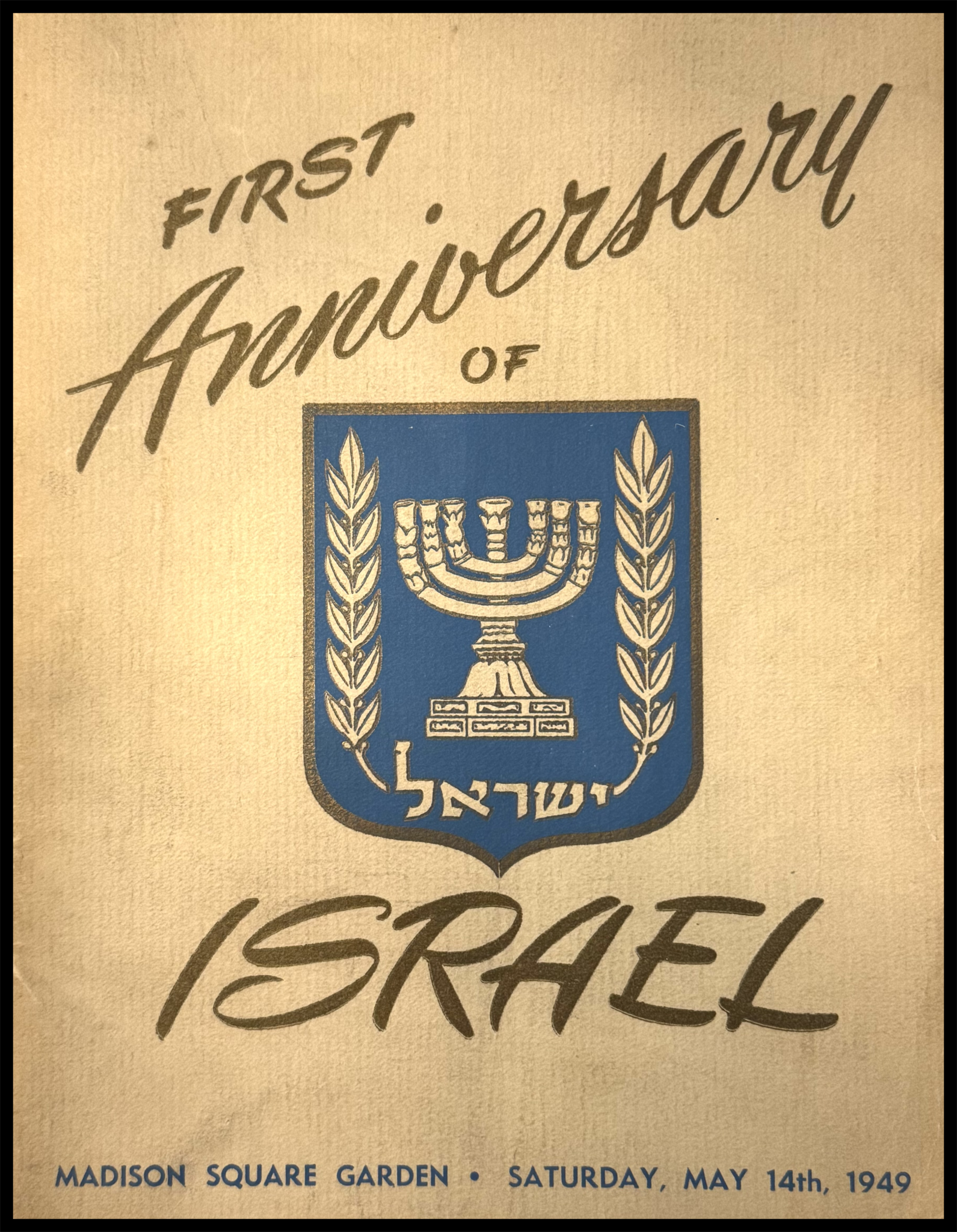
Links to the first three parts of Treasure Trove’s celebration of Israel’s 78th Independence Day are below:
For more treasures from the Herzl and Zionism Collection of David Matlow, which has appeared weekly in the Treasure Trove column in the Canadian Jewish News (www.thecjn.ca) since February 2021, see https://herzlcollection.com/treasure-trove
Treasure Trove is a program of The Herzl Project.
Related Topics