
The Next Space Race Is Commercial
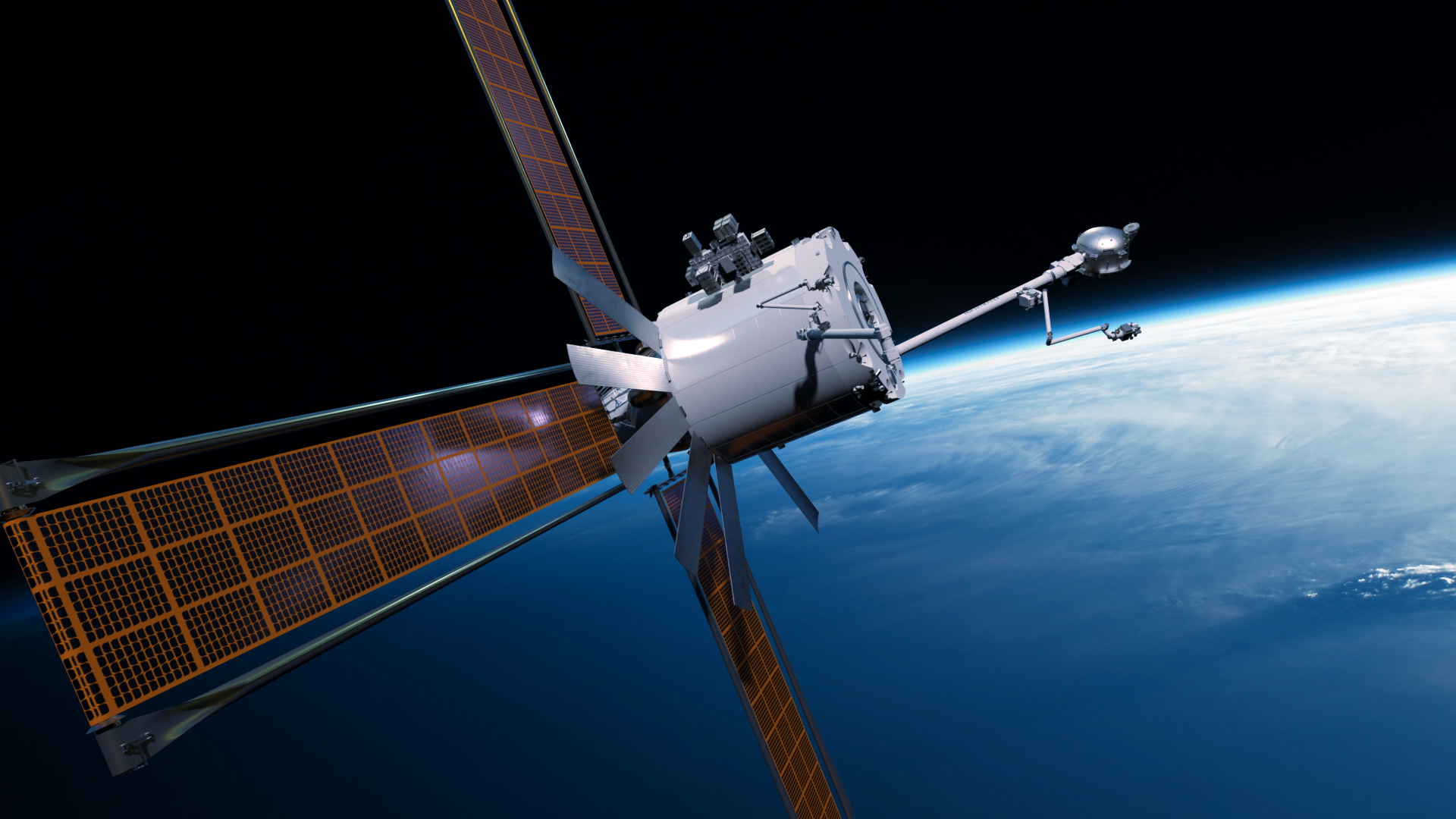
For more than half a century, permanent human presence in space has been almost exclusively the domain of governments. From the Cold War space race to the International Space Station (ISS), national space agencies financed, built, and operated the infrastructure that made long-term human activity in orbit possible.
That model is now changing.
As the ISS approaches the end of its operational life, the most important question is no longer what will replace it, but who will own, operate, and define the next generation of human activity in space. For the first time in space history, private industry is positioned to play a leading role.
The previous era of space exploration focused on reaching orbit. The next will focus on building an economy there.
A New Business Model for Space
The transition from government-owned space stations to commercially operated platforms represents far more than a technological milestone. It signals the emergence of an entirely new economic model.
The timing is no coincidence. Governments are now focused on returning to the Moon through the Artemis program, China’s Chang’e program, and India’s Chandrayaan program, while also preparing for future missions to Mars. As a result, maintaining a permanent research presence in low Earth orbit is shifting to the commercial sector.
Rather than building another government-run station, NASA has chosen to stimulate a marketplace by backing private companies developing orbital destinations. Moving forward, agencies will act as anchor customers, purchasing research time and services rather than owning the hardware.
Several ambitious projects are already competing to shape this future. Companies including Axiom Space, Starlab (Voyager), Blue Origin’s Orbital Reef, SpaceX Starship, and Vast Haven-1 are developing commercial stations with distinct designs and business models. Despite their differences, they share a single objective: transforming low Earth orbit from a government-operated laboratory into a commercially sustainable environment.
Beyond Human Spaceflight
While human spaceflight captures public attention, it is only one part of a broader transformation. The real story is the emergence of permanent infrastructure to support science, research, and industry in orbit.
This emerging ecosystem extends beyond commercial space stations. From satellite networks to emerging concepts such as space-based data centers, these developments are expanding the role of space in communications, research, navigation, early warning, and everyday life on Earth.
This shift mirrors how commercial cloud computing transformed access to computing power. Instead of building and operating heavy infrastructure, organizations can simply plug in when needed. Commercial space stations will create a similar model for orbit, allowing universities, startups, and pharmaceutical companies to run experiments without managing their own space hardware.
The true value lies in continuous access to microgravity. Because conditions in microgravity differ fundamentally from those on Earth, this environment unlocks new possibilities in biotechnology, advanced manufacturing, and materials science. Instead of waiting years for limited government research slots, scientists will soon have flexible, frequent access to orbital labs, accelerating discoveries that benefit life on Earth.

Photo credit: NASA/Tracy Dyson
Why This Matters for Israel
For countries like Israel, this commercial shift carries distinct strategic weight.
Unlike past eras, success in the commercial space economy does not depend on the size of a national budget or space agency. Instead, it relies on agility, entrepreneurship, and specialized technology.
Israel already boasts globally recognized strengths in medical tech, AI, robotics, and miniaturized systems. Companies like Ramon Space, which develops space-resilient computing, data storage, and digital communication systems; SpacePharma, which develops miniature microgravity labs; and StemRad, which specializes in deep-space radiation protection, demonstrate that Israeli innovation is already shaping the space ecosystem.
Another example is Xsight Labs, whose advanced X2 networking chip was selected for SpaceX’s next-generation Starlink V3 satellites, demonstrating how Israeli semiconductor technology is contributing to the commercial space industry.
This potential is already translating into a stronger international presence. In November 2026, Israel will participate for the first time with a national pavilion at Space Tech Expo Europe in Bremen, bringing together 24 companies, from established aerospace and defense firms to emerging startups. The initiative reflects Israel’s growing role in the international space industry, with companies actively building partnerships and pursuing new commercial opportunities.
The upcoming Israel Space Week, scheduled for January 24–28, 2027, will provide another platform for showcasing Israeli innovation and strengthening connections across the global space industry.
As commercial stations come online, opportunities for Israeli startups, researchers, and industries will expand significantly. For a country whose greatest resource is ingenuity rather than scale, the commercial space economy offers a natural competitive advantage.
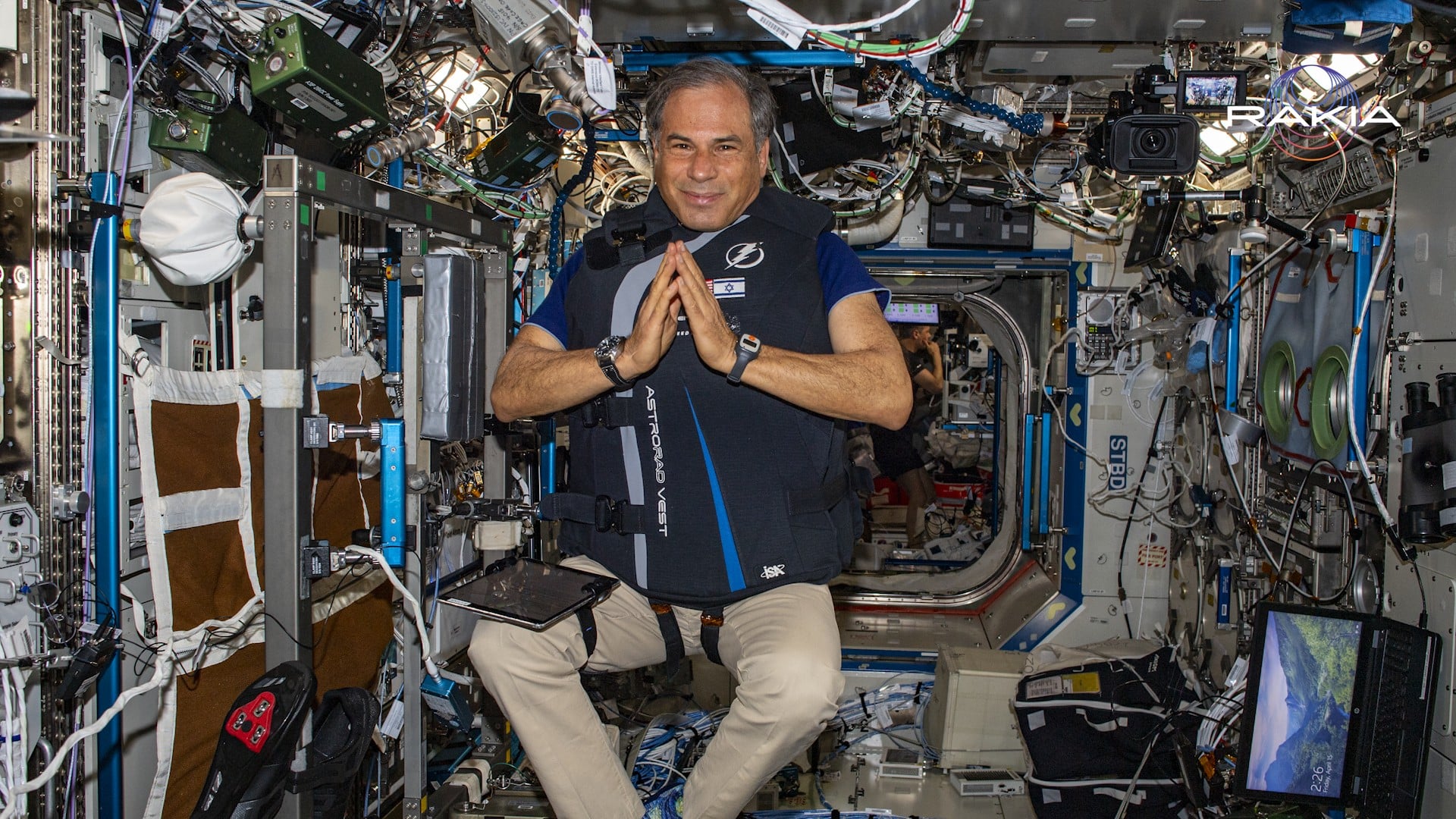
Photo credit: Rakia Mission
Building the Infrastructure for the Next Space Age
The commercialization of space does not come without hurdles. Vital questions remain around market demand, operating costs, and whether governments will sustain their role as anchor buyers while private markets mature.
Yet history shows that new industries rarely flourish until robust infrastructure becomes accessible. Railroads accelerated industrialization; the internet created the digital economy. Infrastructure in space could play a similar foundational role for the economy.
Commercial human spaceflight has already demonstrated that space is becoming more accessible. As someone who had the privilege of participating in one of the early commercial space missions, I have seen firsthand how expanding access to orbit creates opportunities once reserved for a handful of government astronauts.
The next step is making the benefits of space just as accessible. Commercial stations are not simply replacing the ISS; they are laying the foundation for a future in which science, innovation, and international collaboration can thrive in orbit on an entirely new scale.
The next space race will not be defined only by who reaches orbit. It will be defined by who builds the platforms that enable humanity to research, innovate, and solve challenges that extend far beyond space itself.