
Trump Revives Abraham Accords With Kazakhstan Entry
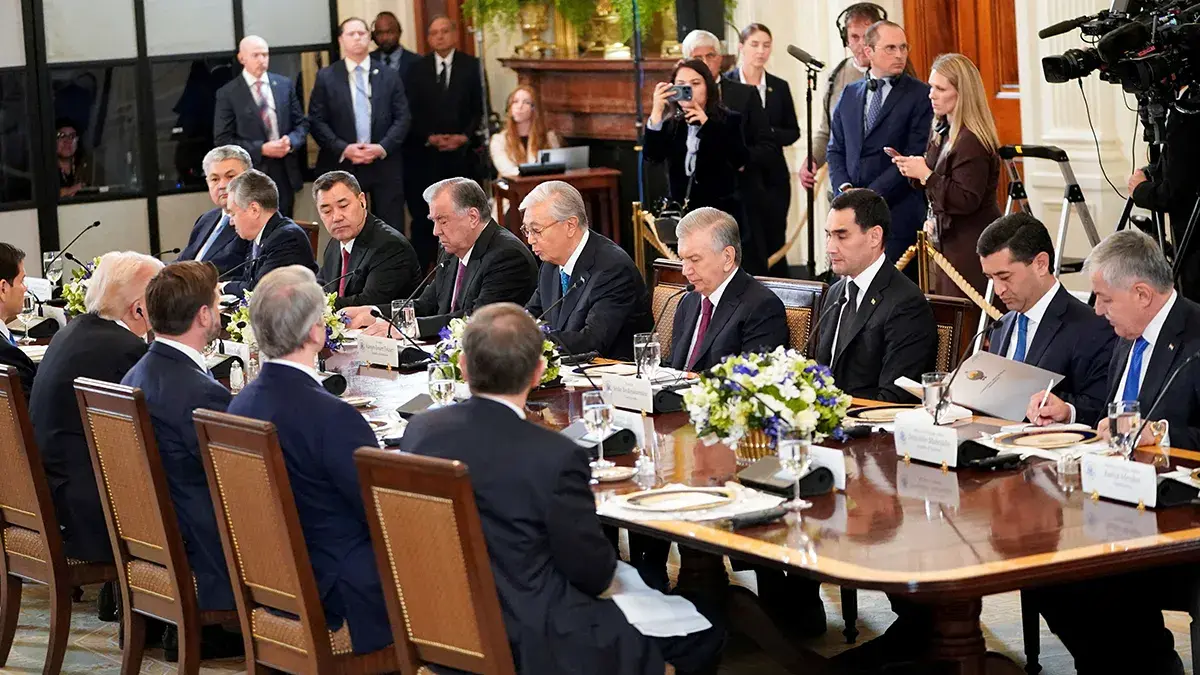
U.S. President Donald Trump’s announcement that Kazakhstan will join the Abraham Accords has injected new life into his signature foreign policy initiative and signaled a major diplomatic shift extending far beyond the Middle East. The move marks the first expansion of the accords since the Gaza war, bringing a Central Asian Muslim-majority nation into a framework originally designed to normalize Israel’s relations with Arab states.
For Washington, this is not just another foreign policy milestone — it is the revival of the Abraham Accords as a dynamic geopolitical instrument. For Astana, it is a bold strategic bet that strengthens its ties with both the United States and Israel, while carefully maintaining balance with neighboring powers Russia, China, and Iran.
Kazakhstan’s Historic Entry
President Trump’s declaration, made after a trilateral call with Israeli Prime Minister Benjamin Netanyahu and Kazakh President Kassym-Jomart Tokayev, represents a major diplomatic win for his administration. The White House described the decision as “a visionary step toward regional peace and prosperity.”
Trump framed Kazakhstan’s accession as the first chapter in a broader plan to reignite the Abraham Accords’ momentum and attract new partners — including potential future entrants such as Saudi Arabia, Uzbekistan, and Azerbaijan. Secretary of State Marco Rubio echoed that sentiment, saying the accords “now extend from the Middle East to Central Asia,” marking a new frontier for U.S.-led diplomacy.
Expanding Alliance Into Central Asia
Kazakhstan’s inclusion broadens the geopolitical reach of the Abraham Accords into a region long dominated by Russian influence and Chinese investment. As the world’s largest uranium producer and a nation rich in oil, copper, and critical minerals, Kazakhstan’s strategic value is immense.
By formally joining the accords, Astana not only affirms its diplomatic partnership with Israel but also aligns itself with Washington’s broader strategic goals — particularly in countering Russian and Chinese sway in the region. As Israeli analyst Amit Segal observed, the move “brings Kazakhstan into the American–Israeli–Arab alliance against Iran,” underscoring the deepening coordination across energy, security, and technology sectors.
Shifting Geopolitical Order
President Tokayev’s decision to join the accords reflects pragmatism over ideology. Kazakhstan has long pursued a balanced, multi-vector foreign policy, carefully navigating between East and West. But by entering the Abraham Accords, Astana is sending a message: it wants to diversify partnerships and gain greater access to U.S. and Israeli technology, investment, and security cooperation.
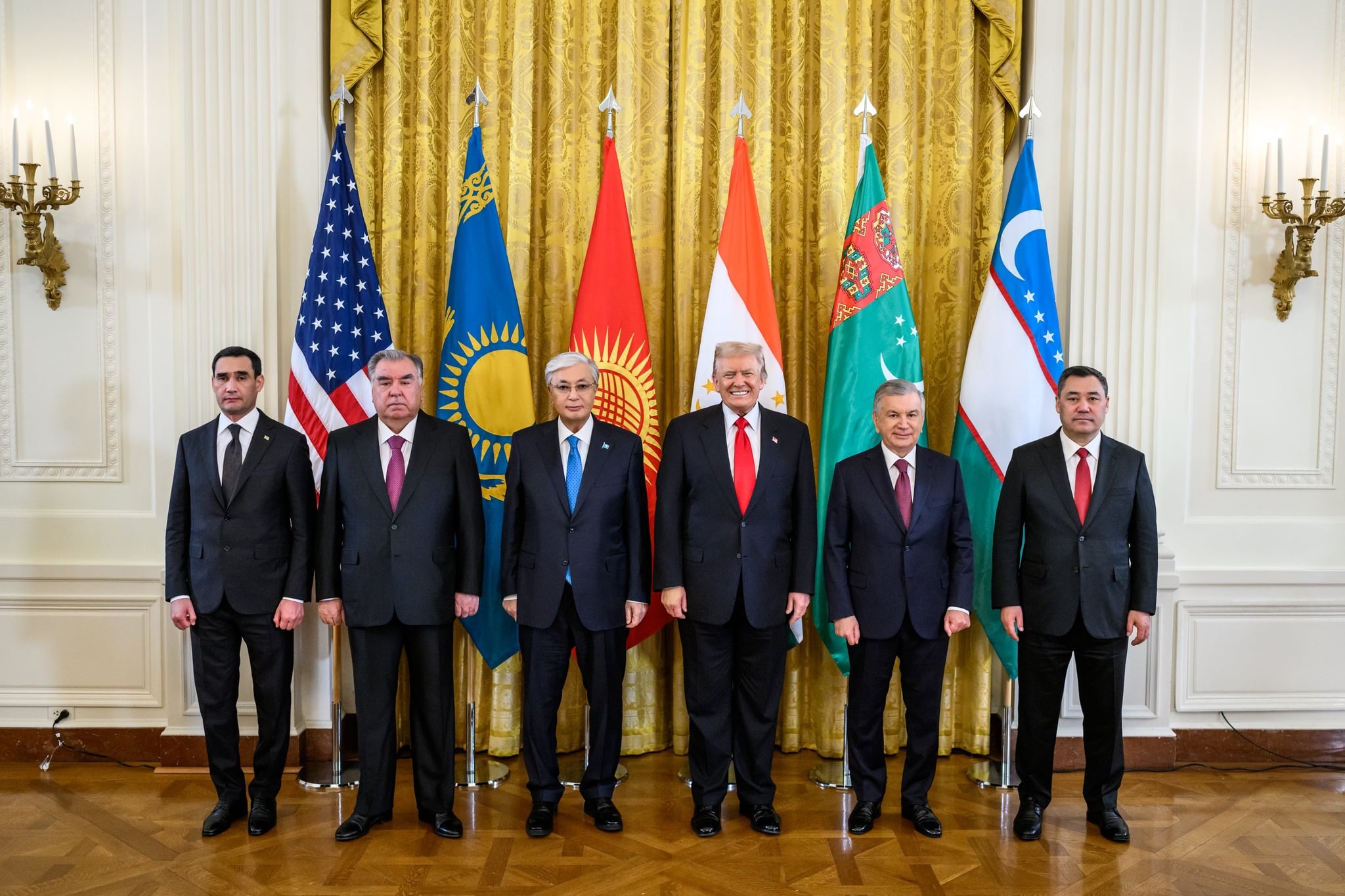
During his visit to Washington for the “Central Asia + U.S.” (C5+1) Summit, Tokayev finalized $17 billion in trade and investment agreements across critical minerals, aviation, artificial intelligence, and education. The timing of the announcement underscores that joining the accords is both a political and economic strategy — a move that could accelerate Kazakhstan’s modernization and reinforce its role as a bridge between continents.
A Bid to Promote Dialogue and Stability
Kazakhstan’s government described its accession as a “natural continuation” of its diplomatic philosophy rooted in dialogue, mutual respect, and stability. The Foreign Ministry emphasized that joining the accords does not alter Astana’s position on the Israeli–Palestinian conflict and that it will continue to support a two-state solution based on international law and UN resolutions.
In other words, Kazakhstan aims to balance principle and pragmatism — cooperating with Israel and the U.S. while maintaining solidarity with the broader Muslim world. President Tokayev framed the step as part of Kazakhstan’s “commitment to overcome confrontation and support dialogue,” signaling that peace and cooperation remain central to his foreign policy vision.
Rekindling Hopes for Regional Cooperation
The inclusion of Kazakhstan — a majority-Muslim country with no history of conflict with Israel — may help reignite optimism around the Abraham Accords, which had stalled amid the Gaza war. Observers believe Astana’s move could encourage other nations, particularly in Central Asia and the Caucasus, to follow suit.
As Israeli Ambassador to the UN Danny Danon put it, “Kazakhstan’s decision strengthens the regional alliance for peace.” The European Jewish Congress also hailed the announcement as “a sign that dialogue and cooperation with Israel continue to expand even in times of tension.”
Beyond Symbolism:
While Kazakhstan already maintained diplomatic and trade ties with Israel, its formal entry into the Abraham Accords carries significant symbolic and strategic value. It shows that Muslim-majority states can still engage with Israel even amid regional conflicts — breaking the post-Gaza taboo that had frozen normalization efforts.
This act of measured courage could serve as a precedent for other Muslim nations that seek to balance solidarity with the Palestinian cause and pragmatic engagement with Israel for mutual benefit.
Geopolitical Signal:
Kazakhstan’s decision also sends a clear geopolitical signal. Both Russia and Iran — traditional power brokers in Central Asia — are likely to view Astana’s participation in a U.S.-sponsored initiative with suspicion. For Moscow, it reflects the waning influence of post-Soviet alliances like the CSTO; for Tehran, it strengthens what it perceives as an American-Israeli containment strategy.
However, Tokayev’s government has been careful to stress that the move “does not affect Kazakhstan’s bilateral commitments with any state.” This balancing act reflects Astana’s skill in maintaining sovereignty and strategic flexibility amid great-power competition.
Shifting Regional Power Lines
With this historic step, the Abraham Accords have crossed into Central Asia, creating a new axis of cooperation linking Washington, Jerusalem, and Astana. It reinforces the idea that peace, investment, and technological exchange can coexist even amid regional discord.
For Trump, the expansion validates his claim that the Abraham Accords remain “alive and well” in his second term. For Kazakhstan, it marks a strategic repositioning — transforming from a regional actor into a bridge between Muslim-majority nations, the West, and Israel.
A Calculated Step Toward a New Global Alignment
Kazakhstan’s entry into the Abraham Accords is a calculated, forward-looking decision — one that reflects a new phase in global diplomacy. It revives an American-led initiative once thought to have stalled, expands the U.S.–Israel alliance into Central Asia, and reaffirms that even in an era of polarization, dialogue and partnership remain powerful tools of statecraft.
In the broader picture, Astana’s move is not merely symbolic — it is a strategic realignment that could redefine the geopolitical balance from the Middle East to the Eurasian steppe. It shows that, in Trump’s renewed foreign policy vision, the road to regional peace now runs through Central Asia.