
Trump’s green light to Al Jazeera
A few days ago, several individuals held a small demonstration in Boston, displaying pro-Palestinian symbols and promoting violence against Israel, which received amplified coverage on Al Jazeera. This was just one of many examples of content promoted by the Qatari network that encouraged violent protests across the United States.
There were, of course, numerous other anti-American pieces, as well as content mocking Trump himself, both on Al Jazeera and on other Qatari media outlets.
We have already grown accustomed to this stream of hostility, but there was a real chance to put a stop to it.
At the beginning of September, the Qatari government replaced Al Jazeera’s CEO with a member of the ruling family – a former diplomat from Qatar’s Ministry of Foreign Affairs. This move marked the opening shot in a broader overhaul later that month, which included a series of senior appointments, several of whom were also from the ruling family. The reshuffle also extended to the editorial staff and opinion section editors.
This last change indicated that a new approach was expected from the powerful Qatari network. Since its establishment – despite the fact that its board of directors was chaired by a family member close to the Emir – the Qatari regime maintained a pretense of detachment. Whenever the US or Israel complained about Al Jazeera’s support for terrorism or incitement, the Qatari excuse was that it was a matter of press freedom and that the channel operated independently.
Naturally, a clearer link between the ruling family and the channel could have helped encourage more balanced coverage by Al Jazeera and temper its incitement — both toward the US and toward Israel.
And indeed, there was a slight change. Hamas even complained several times about how Al Jazeera covered its activities. Hamas’s frustration was reflected in the fact that Al-Araby, another Qatari channel, received exclusive coverage of Hamas’s efforts related to the hostages and its activities in Gaza. Even the Saudis noticed the change: recently, the chairman of Al Jazeera’s board met with the Saudi minister of communications to discuss cooperation, including joint training programs and a series on Qatar–Saudi relations.
However, this shift did not translate into any dramatic change in Al Jazeera’s coverage of the United States — and certainly not of Israel. Moreover, following reports of Qatari-Turkish pressure on Hamas, the channel had to continue providing backing for the group. This support was evident recently in an investigative program that accused specific IDF soldiers of committing war crimes.
So why did the change not extend to the West?
The Israeli strike in Doha was a test case for US policy toward Qatar. Right after the attack, researchers at Qatar University interpreted it as an American strike – especially after further signals from the mediation team indicating US willingness to pressure Qatar. Consequently, Doha expected to see in the following days whether the US would stand behind the attack.
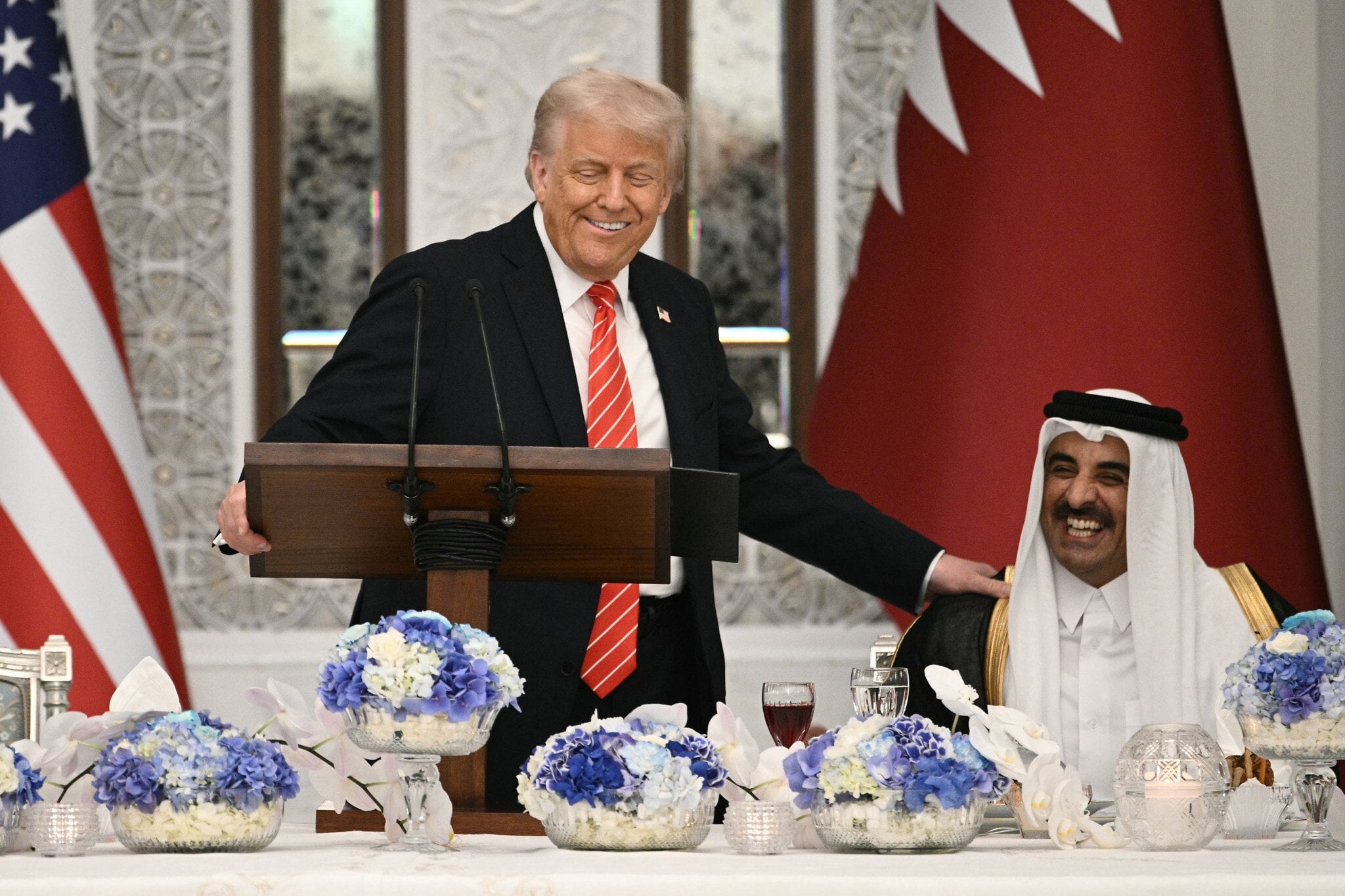
Instead, President Trump chose to appease Qatar beyond all expectations, publicly condemning the attack and even joining the condemnation at the UN Security Council (after Israel’s name was omitted). Clear examples of this included Trump’s executive order and the approval of Qatari pilot training facilities on US soil in Idaho until 2040. Even reports in the Qatari media about the planned purchase of the Russian S-400 system did not alter the dynamic.
The Qataris saw that they had full backing from the US, and therefore had no reason to rush to change Al Jazeera’s coverage.
Trump had the chance to shut down the machine of incitement against America and Israel. Instead, he chose to appease Qatar.