
Author and Global Affairs Commentator
Trump’s Gulf Gambit
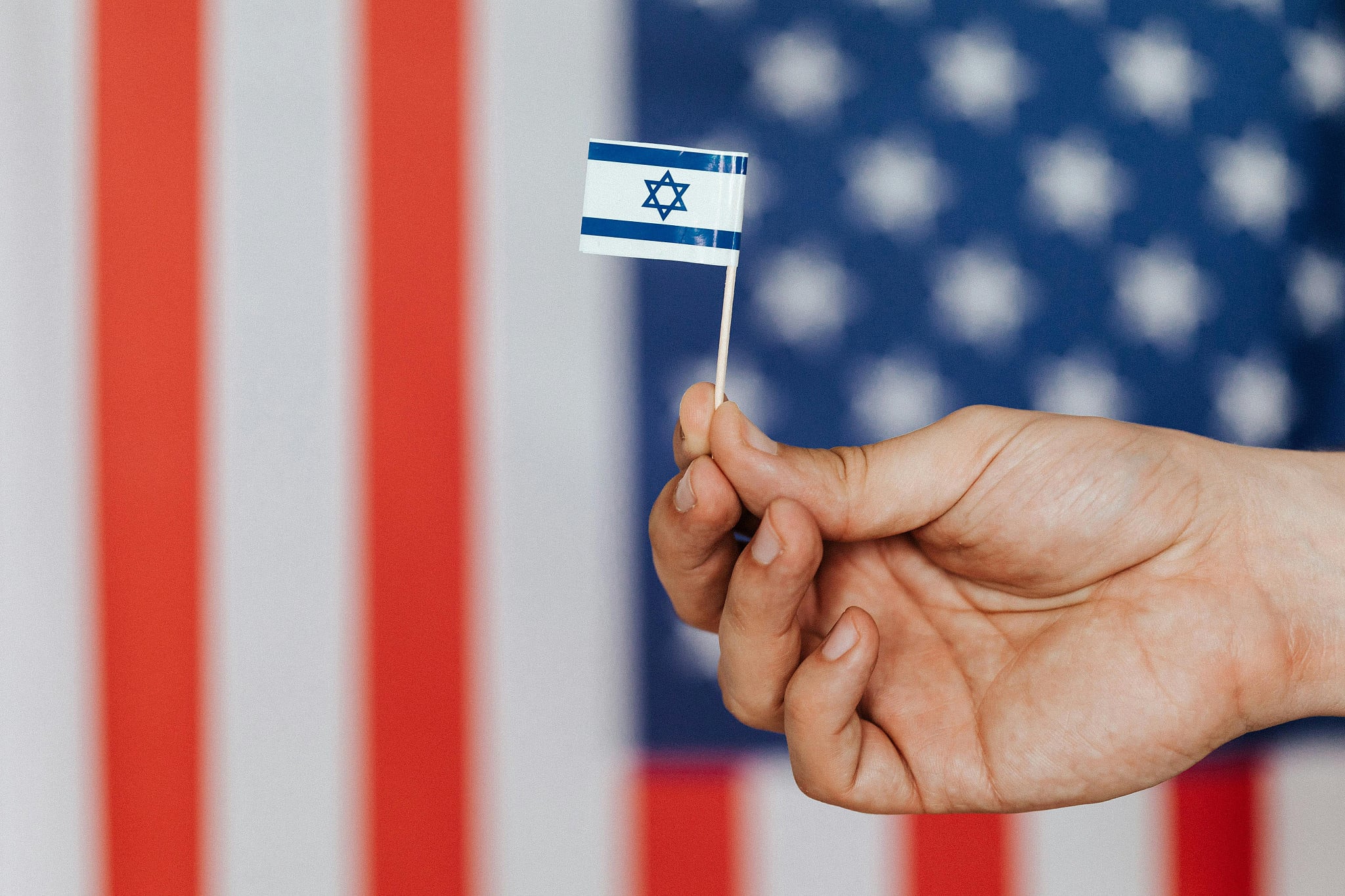
President Trump’s greatest strength against Iran is not American power alone, but a broad regional coalition that has left Tehran increasingly isolated. While progress has been slow, the author contends that this alliance could deliver a major diplomatic or strategic victory and help create a more stable Middle East. (Pexels)
A broad regional coalition has reshaped the strategic balance with Iran, giving Washington an opportunity to achieve a rare diplomatic and geopolitical success in the Middle East—provided it can sustain unity among its partners.
For much of the debate surrounding the confrontation with Iran, attention has focused on Washington’s military options and President Donald Trump’s willingness to employ American power. Yet viewing the crisis solely through the lens of U.S. decision-making obscures what may be the most consequential development of all: the emergence of an unusually broad regional coalition aligned against Tehran.
Israel’s role in this effort is widely understood. Less appreciated is the extent to which several Arab states—including Saudi Arabia, the United Arab Emirates, Bahrain, and Qatar—have converged around a shared interest in containing Iranian influence. While their priorities and political calculations differ, these governments increasingly see Tehran’s regional ambitions as a direct challenge to their own security and economic stability.
This shift has altered the strategic landscape. For decades, Iran relied not only on its military capabilities and network of regional proxies but also on divisions among its rivals. Today, those divisions have narrowed. The result is a diplomatic environment in which Tehran finds itself more isolated than at any point in recent memory.
Perhaps the clearest indication of this changing balance is the limited international appetite for confronting efforts to constrain Iran’s activities in the Persian Gulf. Despite Tehran’s rhetoric, there is little evidence that major regional powers are prepared to challenge a Western-led maritime presence designed to secure key shipping routes. Even several European governments, often cautious about military involvement in the region, have shown increasing willingness to support measures aimed at preserving freedom of navigation through the Strait of Hormuz.
Seen in this context, many of Trump’s moves appear less like unilateral displays of American power and more like the actions of a coalition manager. The administration’s approach has often frustrated observers seeking rapid results. Negotiations have moved slowly, and the absence of a decisive breakthrough has fueled criticism both at home and abroad.
Yet coalition politics rarely reward speed. Maintaining unity among partners with different threat perceptions and varying levels of exposure to retaliation requires patience. Arab governments, while supportive of efforts to pressure Tehran, remain acutely aware that any escalation could place their energy infrastructure, ports, and cities at risk. Their support therefore depends on a strategy that balances deterrence with restraint.
That reality helps explain why diplomacy has remained central despite persistent discussion of military alternatives. A large-scale military campaign might inflict significant damage on Iran’s capabilities, but it could also jeopardize the very coalition that has increased pressure on Tehran in the first place. The challenge for Washington is not simply to maximize force; it is to preserve the political alignment that makes its leverage possible.
The ultimate question is whether Iran’s leadership is prepared to adjust its course. If Tehran concludes that continued confrontation carries unacceptable costs, the current strategy could produce a negotiated outcome that strengthens regional security while avoiding a wider conflict. If not, the coalition retains substantial military and economic advantages that could be brought to bear more forcefully.
Either way, the significance of the current moment lies less in any single military option than in the emergence of a regional consensus that would have been difficult to imagine a decade ago. For the United States, that alignment offers a rare opportunity: the possibility of advancing its interests in the Middle East not through unilateral action alone, but through a partnership that distributes both responsibility and influence across the region.
Related Topics
Related Posts