Trump’s Pressure Campaign on Israel Is No Sideshow
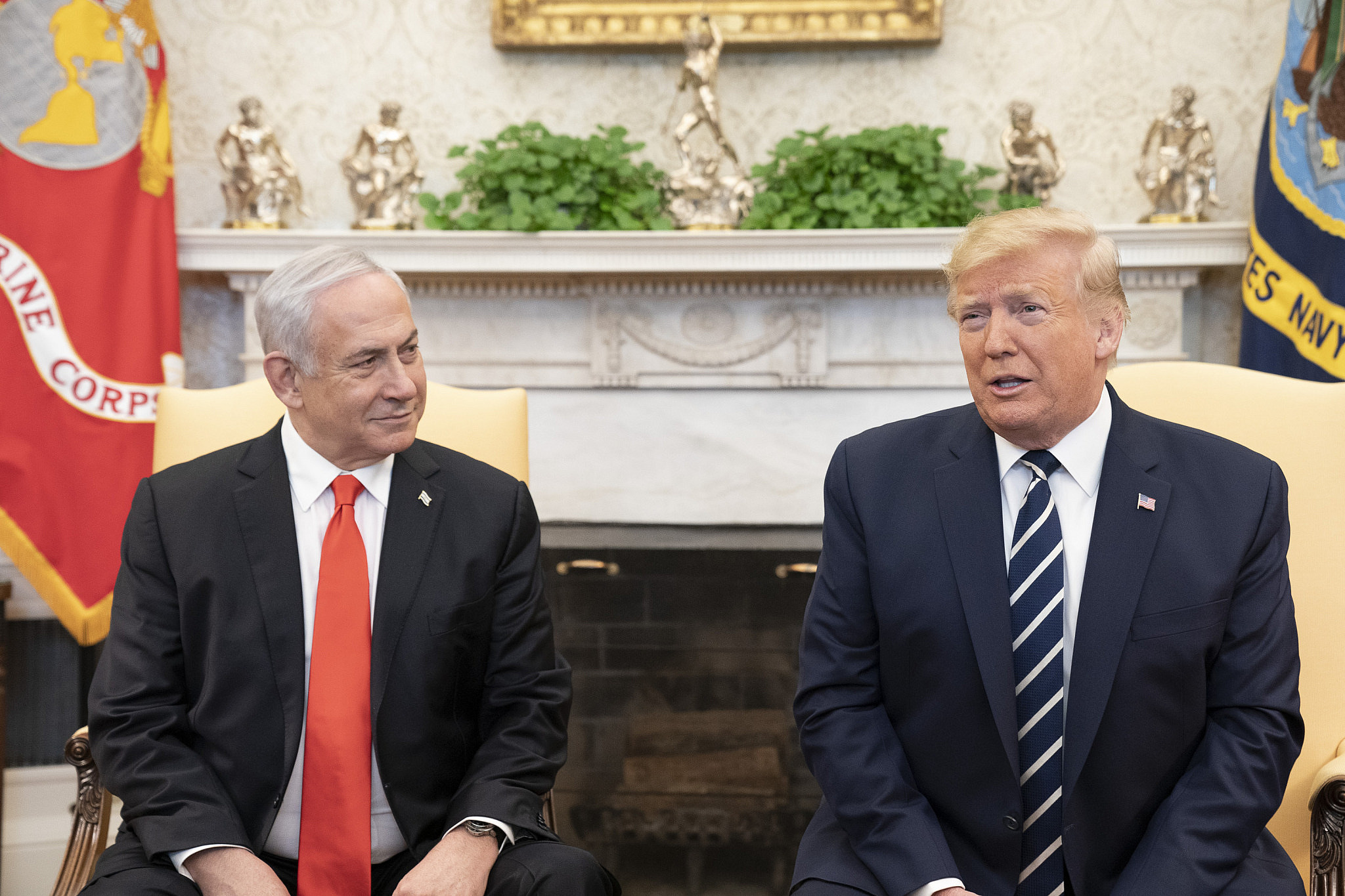
When a US president threatens an Israeli prime minister with political retaliation, it’s more than diplomatic theater — it’s a test of sovereignty. In the past week, Donald Trump and his team have launched a wave of public pressure on Jerusalem, openly discussing the release of convicted terrorist Marwan Barghouti, calling for a pardon for Prime Minister Benjamin Netanyahu, and even issuing crude warnings if Israel doesn’t comply. This escalating rhetoric isn’t just about one leader. It’s a stress test of the US–Israel relationship, and a reminder that Israel must draw its own red lines — just as Menachem Begin did five decades ago.
In recent days, Donald Trump and his team have turned Israel into a rhetorical punching bag. He has spoken openly about pushing for the release of Marwan Barghouti, a convicted terrorist serving multiple life sentences for murdering Israelis, and urged President Isaac Herzog to pardon Prime Minister Benjamin Netanyahu. Trump’s running mate, J.D. Vance, derided a Knesset vote as “stupid” and “insulting.” And, most explosively, a senior American official was quoted warning: “If Netanyahu f**ks up the agreement, Donald Trump will f**k him up.”
This isn’t subtle. It’s not back-channel pressure. It’s a display meant for cameras, headlines and political theater.
Trump’s use of public humiliation as leverage is hardly new. When Ukrainian President Volodymyr Zelenskyy visited the White House on February 28, 2025, what should have been a ceremonial meeting turned into a public scolding. Trump dominated the stage, Zelenskyy sat flustered and tongue-tied, and the message to the world was clear: the power imbalance was the point.
Now, Israel finds itself in a similar spotlight. The stakes are even higher. Israel is not just another partner or dependent state; it is a strategic ally with deep security, intelligence and technological ties to Washington. Public pressure of this kind is corrosive—not only to trust between governments, but to Israel’s image as a sovereign state capable of making its own decisions.
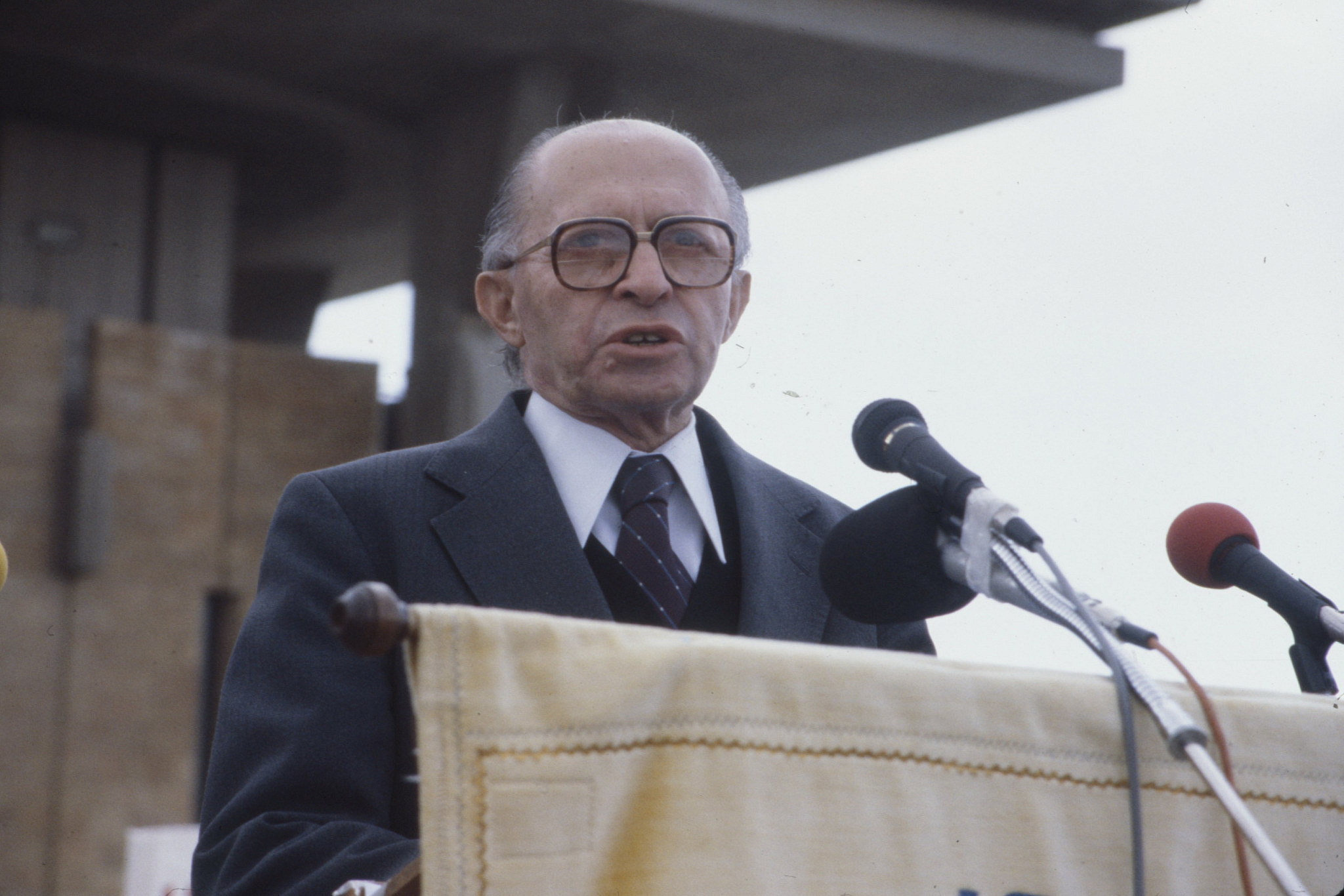
There’s a historical precedent for moments like this. In 1981, Menachem Begin responded to American pressure with a blunt statement that still echoes: “Israel is not a banana republic.” It was more than rhetoric; it was a declaration of boundaries. Begin insisted that Washington could be an ally, but not Israel’s supervisor.
The lesson of that moment isn’t to sever ties or create needless conflict with the U.S. Rather, it’s to remind friends—even powerful ones—that Israel will act according to its own laws, interests, and democratic processes.
Benjamin Netanyahu is no newcomer to the American political stage. Unlike Zelenskyy, who was caught flat-footed during his encounter with Trump, Netanyahu has the experience and institutional backing to avoid being dragged into a political spectacle.
The way to do that is not by matching Trump blow for blow in public, but by denying him the theater. That means controlling the optics of joint appearances, letting Israel’s institutions—not personal pleas—do the talking, and refusing to allow domestic Israeli legal matters to become props in someone else’s campaign. It also means keeping lines open across the American political spectrum so no single leader can hold all the leverage.
None of this requires Israel to turn its back on Washington. But it does mean making sure that American political pressure—whoever the president may be—cannot dictate Israel’s strategic decisions. That starts with building greater self-reliance in key security and defense capabilities, reinforcing energy and logistics resilience, and diversifying diplomatic partnerships so that Jerusalem is never dependent on a single power.
What’s playing out today is bigger than a single White House comment or an offhand insult. It’s a stress test of Israel’s political maturity and strategic independence. Israel’s alliance with the United States remains indispensable. But the alliance must rest on mutual respect, not one-sided pressure.
Menachem Begin didn’t speak those famous words for applause. He said them to set a boundary. Netanyahu—and Israel’s leadership as a whole—may soon have to do the same.