Twenty-Five Years Later: What September 11 Taught Me About Showing Up
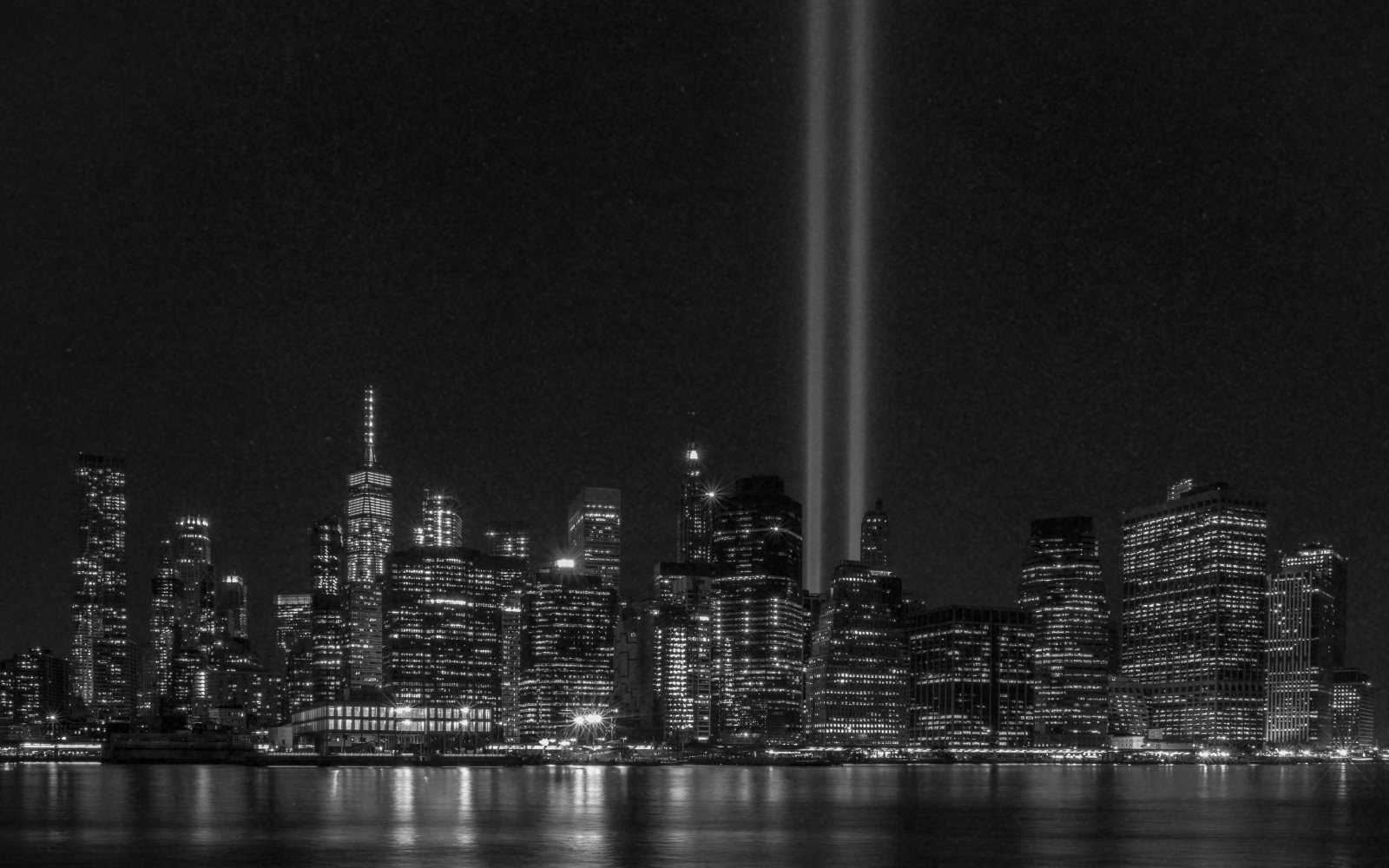
I was ten years old on September 11, 2001. Growing up outside New York, I had always understood Manhattan as part of the landscape of my life, but that morning I was across the river in New Jersey when I heard an explosion in the distance and watched smoke begin to rise from the skyline. Like millions of others, I watched in disbelief as the towers burned and eventually fell – images that would become permanently etched into the memory of an entire generation.
At ten years old, I could not begin to comprehend the scale of what I was witnessing. I did not understand the geopolitical forces behind the attack or the full weight of thousands of lives lost. What I understood was simpler: something terrible had happened, and the world around me had suddenly changed.
Yet what has stayed with me just as strongly as the tragedy itself is what happened afterward. My father is a doctor, and in the immediate aftermath of the attacks, hospitals in New Jersey began receiving people connected to the disaster. My father went to help. There was no discussion about whether it was convenient or whether someone else would take responsibility. People needed care, and he had the ability to provide it.
I grew up in that kind of home. Service was never presented as an abstract ideal; it was demonstrated through action. When a community faced a crisis, the question was not simply what had gone wrong, but what could be done and where you could contribute. Looking back, I realize that this mindset was as formative as the events of September 11 themselves.
That day left an imprint on me. For the first time, I understood, however imperfectly, that ordinary life could change in an instant and that communities could be tested in ways no one anticipates. But I also witnessed how people respond when those moments arrive. First responders ran toward danger, medical professionals worked tirelessly, neighbors helped strangers, and countless people found ways to contribute. Amid unimaginable devastation, people showed up for one another.
I did not know then what my life would look like. I could not have imagined that I would eventually move halfway around the world and build a life in Israel, nor could I have predicted where my career would take me. But somewhere within that formative experience, a belief began to take shape: when your community is facing something difficult, you may not have all the answers, but you can still ask where you are needed and what you are able to do.
That belief has followed me throughout my life, and it shaped my response when Israel woke up on October 7, 2023, to one of the darkest days in its history. Like so many others, I watched unimaginable tragedy unfold and found myself asking a familiar question: What can I do?
For me, that answer became Israel Friends. Since October 7, our organization has worked to identify critical gaps and connect people with practical and immediate support, from essential equipment for those serving on the front lines to medical and mental-health care and assistance for families navigating the consequences of war. The needs have evolved over time, but the principle behind our work has remained consistent: when there is a gap, find a way to help close it.
In many ways, that principle is something I inherited. Since October 7th, my father has once again demonstrated the example that shaped me decades ago. He paused his work in the United States and came to Israel, volunteering at Rambam Hospital and becoming part of a network of medical professionals helping treat Israelis and soldiers affected by the war.
Twenty-five years after I watched my father respond to a crisis in New Jersey, I have watched him respond again, this time in Israel. The circumstances are different, and the events themselves belong to different histories, but the instinct to help – to recognize a need and use your abilities to meet it – remains remarkably familiar.
Perhaps that is the most enduring lesson September 11th left me with. We cannot always control the events that reshape our communities, nor can we always prevent tragedy or make sense of it. What we can control is how we respond. Sometimes that response means treating patients, volunteering time, opening a home, offering resources, or simply using whatever skills and experience we have to address a problem in front of us.
At ten years old, standing across the river from Manhattan, I could not have understood how profoundly that morning would shape me. I only knew that something terrible had happened and that the adults around me were responding not only with grief, but with action. Over time, that example became part of how I understood responsibility and community.
Twenty-five years later, I still remember the towers falling. But when I reflect on September 11th now, I think not only about what was lost, but about what I witnessed in its aftermath: people stepping forward when they were needed.
I think about my father walking into a hospital to help people he had never met, and decades later, watching him travel across the world to do the same for another community in need. That example has stayed with me throughout my life and continues to shape the work I do today.
September 11th taught my generation that tragedy can change the course of a life in a single morning. For me, it also taught something else: that when your community is tested, each of us has a choice about how we respond.
You may not be able to do everything, but you can always ask where you can help – and then choose to show up.