Solicitor & foreign policy adviser
UK islamophobia definition: Blasphemy law in drag
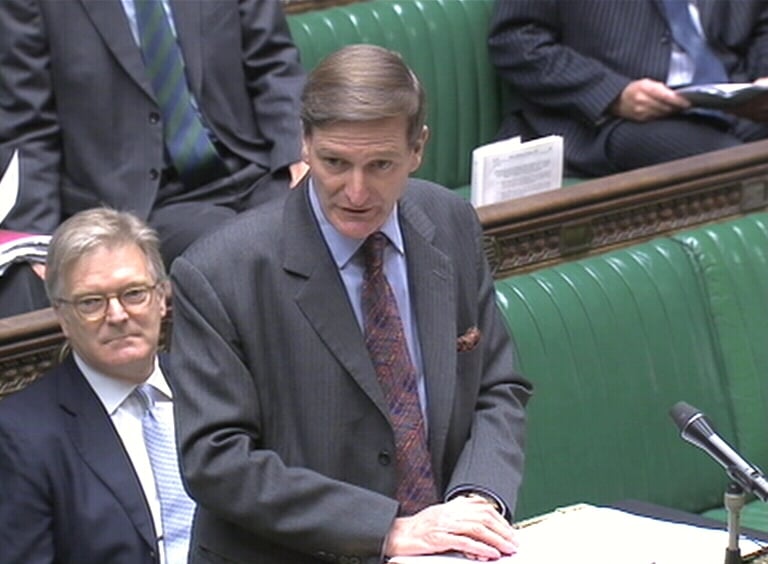
Dominic Grieve in Parliament (Wikipedia Commons)
If there’s one thing British politicians hate more than telling the truth, it’s letting anyone else do it.
In the end, the UK Labour government—in what might be the most refined form of cowardice since Neville Chamberlain waved his paper in the air—has crossed the Rubicon and unveiled its grand initiative to define “Islamophobia.” Not as a legal concept based on clear incitement, mind you, but as a pseudo-theological construct dressed up in civil service PowerPoint.
A working group led by Dominic Grieve KC (who apparently moonlights as the Archbishop of Woke) is drawing up a non‑statutory definition of “anti‑Muslim hatred.” The public consultation closes July 20, and the stakes couldn’t be higher; not for Muslims, who deserve equal protection under the law like everyone else; but for everyone else, who might soon find that articulating facts about Islamism, communal crime, or religious misogyny is now treated as a hate offence.
One thing should be clear: this isn’t about protecting Muslims from abuse, which any decent society already does under existing hate-crime law. This is about ring-fencing a set of ideas from scrutiny. It is about criminalizing dissent and dressing it up as anti-racism. And it is no accident that Labour adopted the APPG’s definition (which literally frames “expressions of Muslimness” as untouchable) while simultaneously refusing to adopt the IHRA definition of anti-Semitism in full without footnotes and caveats. You’re allowed to hate Jews, just not too obviously. But question grooming gangs or Islamic schools and prepare for disciplinary proceedings.
This is the old blasphemy law, rebooted through the language of diversity consultants.
One can only marvel at the consistency of British elites: they won’t stop Hezbollah flags in London, but they’ll happily police your adjectives on Twitter. Say “Islamist” too many times, and a Home Office intern will slide into your inbox. The secular state is no longer secular; it is sharia-adjacent, appeasement-coded, and deeply unserious about liberty.
Meanwhile, Angela Rayner is backpedalling like a clown on a unicycle. After supporting this definition in full Labour-speak, think “centering lived experiences” and “tackling systemic racism,” she now insists it won’t amount to censorship. Of course not. And Hamas Ministry of Information is a press freedom NGO.
This is not some fringe initiative. It is a foundational moment in the UK’s cultural decay. The definition will shape police guidance, university codes, corporate HR manuals, and every institution terrified of being called racist by an anonymous DEI officer with a clipboard and zero intellectual curiosity. Speech will die not by legislation but by memo.
Ask yourself: in a world where British Jews are attacked in broad daylight, where police stand idle at anti-Israel marches, and where synagogues require fortress-level security, why is the government spending taxpayer money defining microaggressions against Islam? Why is it that every measure to “protect minorities” ends up protecting one minority alone?
Britain isn’t sleepwalking into censorship. It’s marching proudly, accompanied by the soft clinking of virtue-signalling glassware at Westminster receptions.
And here’s the punchline: you can still criticize Judaism, Zionism, Israel, and every rabbi from here to Jerusalem with state-sanctioned gusto. But call out jihadism or quote Ayaan Hirsi Ali, and you’re a racist. That’s not anti-racism. That’s surrender.
Islam is not a race. Ideas don’t need protection—people do. And a free society doesn’t hand out fatwas in bureaucratic prose.
Related Topics
Related Posts