Fighting for safe and thriving communities!
UN General Assembly and the Stasis Among Israelis and Palestinians
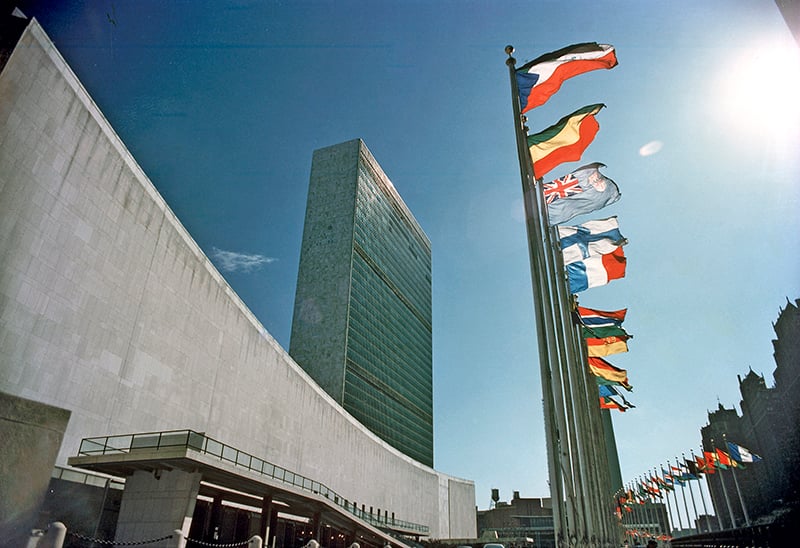
(Yutaka Nagata / United Nations Photo)
Last week at the UN General Assembly meetings in NY, as International President of B’nai B’rith, my colleagues and I joined the top representatives of other major Jewish organizations in meetings with foreign ministers and presidents of many nations to talk about antisemitism in their countries and how to address the Israel-Palestinian conflicts. We met with many who have been friends and a number who are best described as acquaintances of Israel.
Almost all expressed great discomfort with what they perceived as Israel’s withholding of humanitarian aid as a military/political weapon against Hamas and the government’s tolerance of West Bank terror against Palestinians. One thing that particularly stood out is the current diplomatic paralysis, with increasing pressure on governments around the world to isolate Israel economically, academically, culturally and politically. This is bad not only for Israel and Israelis but is ratcheting up the level of antisemitism around the world. The boycotts of products from the West Bank is also hurting Palestinians who lose jobs when West Bank companies close and only increases the already high animosity among Jews and Palestinians living in the West Bank. Every time a
new resolution and UN report castigating Israel is published, it discourages Hamas from disarming, calculating that time is on their side.
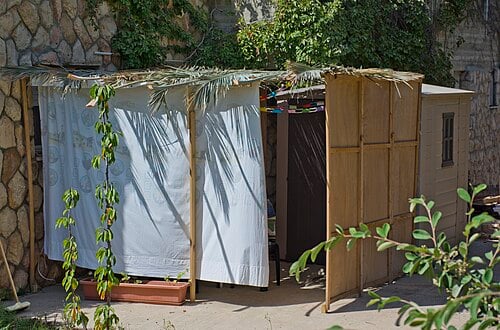
This week has left me contemplating what I/we can do to improve the situation. It’s timely that we’re entering the holiday of Sukkot, where we’re commanded to dwell in a Sukkah, a temporary outdoor hut without a solid roof. It’s a message that life is a journey that involves taking certain risks to reach our goals.
Our Israeli brothers and sisters are war-weary but prepared to continue to fight for Israel’s survival. Trust and empathy for their Palestinian neighbors is almost completely drained after October 7th and the widespread celebrations in the Islamic that followed, which I completely understand. Three years later, as Israelis go to the polls, it seems that there’s been little change in these attitudes.
Meanwhile, there is little indication that Palestinians in Gaza are in any position to work for peace, except to the extent they hope warfare stops and rebuilding the country begins. It is doubtful that the level of hatred of Israel, the country which blew up much of Gaza and at whose hands tens of thousands have died has not abated, regardless of Hamas’ role in provoking the counter-attack and its subsequent retreat to the fortified tunnels while Gaza residents suffered.
Living in the Diaspora, where few of us have faced the prospect of a ballistic missile attack, perhaps we can take a different sort of risk which may begin a long and difficult process of healing, for both Jews and Palestinians. Without healing on both sides, the future for both people is bleak. Rebuilding trust will be a monumental task, but what’s the alternative?
My question to my friends and acquaintances is how to begin the process of reconciliation? How can we participate in paving a path to a more peaceful world for our children and grandchildren? Unless the current stasis is disrupted in a way which brings people together, the future will be dark.
Related Topics
Related Posts