


Unique Israeli Traditions and Customs
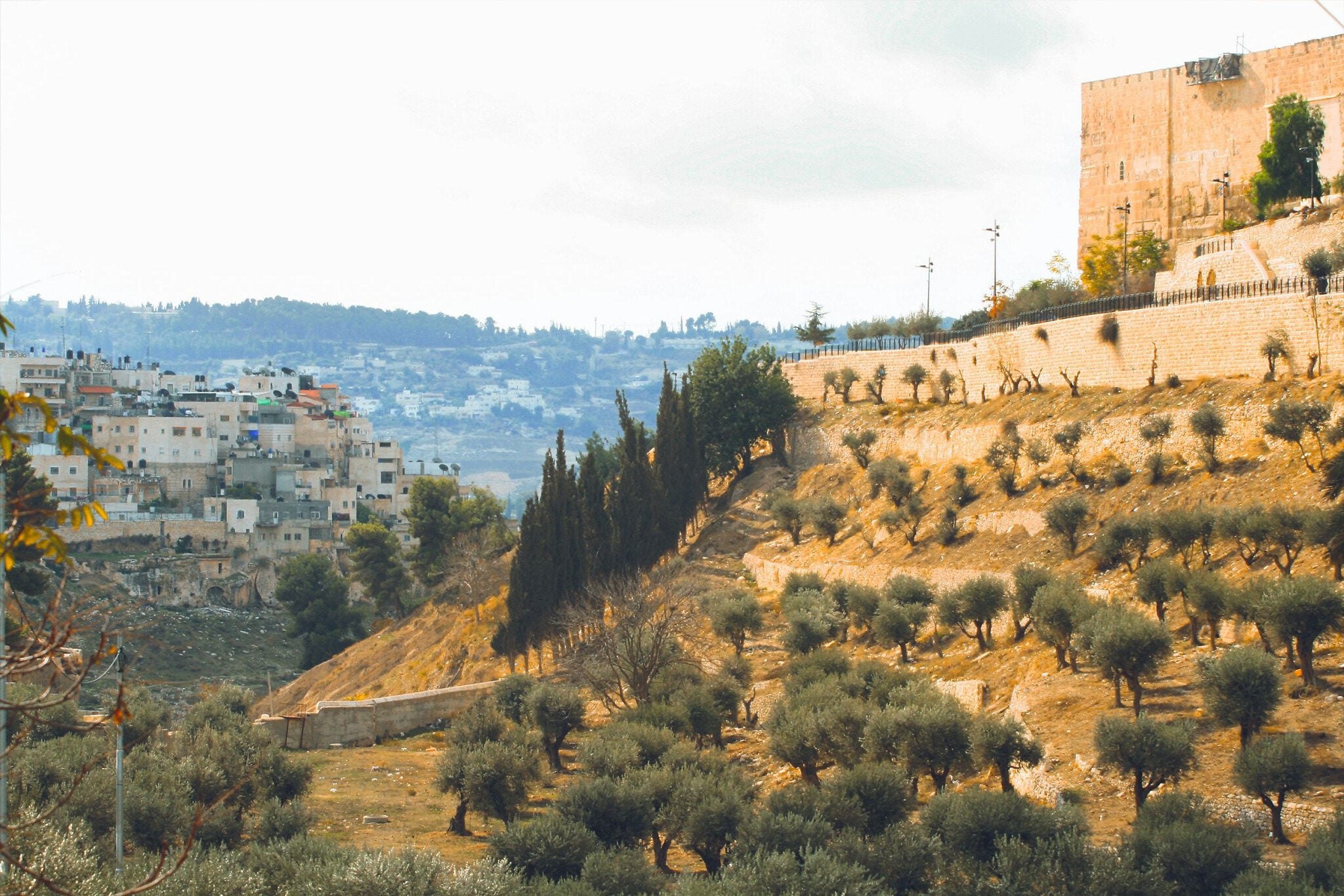
To get a feel for a country, forget the monuments for a second and see how people spend a Friday afternoon. In Israel that hour tells nearly everything. Markets turn noisy and packed, flower sellers conduct a brisk trade on street corners, bakeries run out of braided challah and then, as the sun goes down, a peculiar silence descends on most of the country. Shops shut. In many cities, buses stop running. Somewhere, somebody’s grandmother is laying a table that within the hour will be full of guests.
We might begin with the weekly change from noise to quiet, because it tells us something that distinguishes Israeli practices from those of most modern nations. Many are ancient, drawn from a calendar and body of tradition that dates back thousands of years. But they are lived out in a young, rapid, contentious, high-tech culture that did not become a state until 1948. Old and new don’t stay in separate rooms. They share the same kitchen.
If you want the longer historical background to all this, I’ve written a shorter overview in 3000 Years in 10 Questions: Israel’s History, which helps explain why so many traditions here feel both very old and very recent at the same time.
Shabbat is the pulse of the week. It runs from Friday sundown to Saturday nightfall, and while Israelis observe it in many different ways, practically everyone feels it. Religious households follow its restrictions diligently, avoiding driving, cooking and using electronic devices. Saturday morning might see secular families driving to the beach. But a remarkable proportion of non-religious Israelis still gather for Friday night dinner with parents, siblings and children, because the meal has become a family anchor as much as a religious one. “Shabbat shalom” is said to cashiers, neighbors and strangers alike. Some apartment buildings and hotels even have a “Shabbat elevator” that stops automatically on every floor, so observant residents don’t have to push buttons.
Yom Kippur carries that quiet much further. On this holiest day of the Jewish year, most of the country’s highways are nearly deserted. There is no law against driving private cars in most areas, but the social custom is so powerful that the traffic simply disappears. Radio and television go silent. Then something unexpected happens. Children take over the roads on their bikes and scooters, rolling along routes that are jammed with trucks the other 364 days of the year. Adults pray and fast, or stroll, or sit outside talking to neighbors. Not many countries anywhere stop like this voluntarily.
Israeli Traditions That Combine Sorrow, Joy and Everyday Life
Perhaps nothing defines the Israeli character more than the arrangement of two days in the spring. First comes Yom HaZikaron, Memorial Day for fallen soldiers and victims of terror. A one-minute siren sounds across the country in the evening, and a two-minute siren the next morning. When it sounds, people stop. Drivers pull over on highways, get out of their cars and stand silently beside them. Pedestrians stop in their tracks. Classrooms go quiet. For most Jewish Israelis, military service is compulsory, which means that practically every family knows someone whose name is read that day, so the loss is personal, not ceremonial.
Then the sun sets, and the mood changes entirely. Memorial Day flows right into Yom Ha’atzmaut, Independence Day, when the same streets fill with fireworks, music and flags. The next day, parks are thick with the scent of charcoal as families hold a mangal, the Israeli barbecue that has become as much a part of the holiday as any official event. Placing grief and celebration one after the other was a deliberate choice. It is meant to remind people that independence came at a price. At first, the change can be startling to visitors. Israelis usually say it’s the only way the day makes sense.
The Jewish cycle of holidays shapes the rest of the year in ways you can see from the street. In the fall during Sukkot, the temporary booths known as sukkot go up on balconies, in courtyards, outside restaurants and on rooftops, decorated with fruit and paper chains, and families eat their meals in them for a week. Hanukkah in winter means sufganiyot, jam-filled doughnuts sold by the tray in bakeries, and menorahs glowing in windows facing the street. Purim, in late winter or early spring, turns the country into a costume party. Adults dress up as excitedly as children, and offices are full of grown professionals in wigs and capes. Schoolchildren plant saplings on Tu BiShvat, the Jewish New Year for trees. On Lag BaOmer, bonfires burn all night long in empty lots and parks, after kids have spent weeks beforehand gathering scrap wood.
Passover is probably the most widely observed holiday in Israel. The seder, the ritual dinner that retells the Exodus from Egypt, brings families together around a table laden with matzah, bitter herbs and four cups of wine, and the evening comes with plenty of lively discussion. Debate is, in fact, part of the tradition. The Haggadah itself encourages questions, and Israeli families need little prompting.
One of the things that makes Israeli customs so distinctive is the number of traditions that arrived with immigrants and were then embraced by everyone. Jews came to Israel from Morocco, Iraq, Yemen, Ethiopia, Poland, Russia, Argentina, Iran, India and dozens of other places, each community bringing its own foods, melodies and festivals. Mimouna is a good example. It began as a North African Jewish celebration held the night Passover ends, with tables full of sweet pastries and the famous thin pancake called mufleta, and it is now celebrated by Israelis of all backgrounds. Politicians make a point of showing up at Mimouna gatherings. In 2008 the Knesset declared the Sigd, an Ethiopian Jewish holiday marking the renewal of the covenant, a national holiday. On that day the promenade overlooking the Old City of Jerusalem is packed with worshipers dressed in white.
Israel’s population isn’t only Jewish, and its customs reflect that. Muslim citizens observe Ramadan and Eid al-Fitr, with towns lit up at night and families breaking the fast together. Christian communities in Nazareth, Haifa and Jerusalem celebrate Christmas and Easter with processions and decorations. The Druze, an Arabic-speaking community with its own faith, have their own festivals and are known for their outstanding hospitality. Walk through a mixed city such as Haifa in December and you may see a Hanukkah menorah, a Christmas tree and Ramadan lanterns within a few blocks of each other. Jerusalem, of course, holds all of this in one small space, which I explored in more depth in Jerusalem: History, Holy Sites, Culture and Life.
And then there is language, which is a kind of tradition in itself. Hebrew had endured for centuries as a language of prayer and learning, but it was not anyone’s everyday spoken tongue. In the late 19th and early 20th centuries, people like Eliezer Ben-Yehuda worked to turn it into a living language, and today millions of people use it to argue about football, build software and order coffee. No other ancient language has seen that kind of revival. When an Israeli child uses a word that also appears in the Bible, the link isn’t academic. It’s just an ordinary Tuesday.
Some practices are less about the calendar and more about character. Israelis are famously direct. There’s even a word for it, dugri, borrowed from Arabic, meaning blunt or straight-talking. You’ll be told in no uncertain terms that your plan won’t work or that your price is too high. Outsiders sometimes see this as rudeness. More often, it’s simply honesty, and it comes with a kindness that can surprise visitors. Strangers give you directions, then walk you halfway there. A casual conversation may end with an invitation to Friday dinner.
Military service is a rite of passage that leaves a lasting mark on adult life. Most Jewish Israelis, both men and women, serve after high school, and the friendships formed there often last for decades. Afterward, many young Israelis take an extended trip overseas, usually to South America or Asia, before starting university. It’s so common that the post-army trip has become something of a tradition of its own.
Tradition runs through family life too. The bar mitzvah and bat mitzvah mark a child’s coming of age, at 13 for boys and 12 for girls. In most Jewish homes, a mezuzah, a small case holding a parchment scroll with verses from the Torah, is fixed to the doorposts. When someone dies, family members sit shiva for seven days, and friends and neighbors fill the house with food and visits so that mourners are never alone. Jews have kept these rituals for generations in many countries, but in Israel they are part of the public atmosphere rather than private exceptions.
Food also deserves a mention, because Israelis treat eating as a social occasion. The Israeli breakfast of salads, cheeses, eggs, olives, bread and strong coffee is partly a legacy of kibbutz life, where farmworkers needed a hearty meal after early mornings in the fields. Hummus is discussed with the seriousness other countries reserve for wine. Shakshuka, falafel and sabich reflect the Middle Eastern and North African roots of a large share of the population.
So what makes Israeli traditions so special? It’s not one festival or one meal. It’s the mix. A modern state keeping an ancient calendar alive. Customs from dozens of immigrant communities merged into one national culture. A society that can stand in silence for two minutes on a highway and then celebrate all night a few hours later. Israelis are always debating how to live their traditions, who gets to define them and what they mean. That argument is a tradition too, and it shows no sign of ending.
I left the title out of the body so it can go in the blog’s title field, and put the URLs back in parentheses so you can hyperlink the article names. I also made the Passover table sentence read more smoothly, since “a table laden with… a lot of argument” put debate on the table with the food.