UNSC Mandate for Gaza ISF -Send “The Master Chief”
If We Don’t Act Soon, The Once In A 1000 Lifetimes’ Chance For Everlasting Peace Can Slip Away
Every week that passes without an operational International Stabilization Force (ISF) in Gaza tightens the grip of chaos. Diplomats keep drafting paragraphs and debating Chapter VI versus Chapter VII language, but the territory is bleeding time. What’s missing is not another clause, it’s a living compass: leadership that can translate resolution text into moral action.
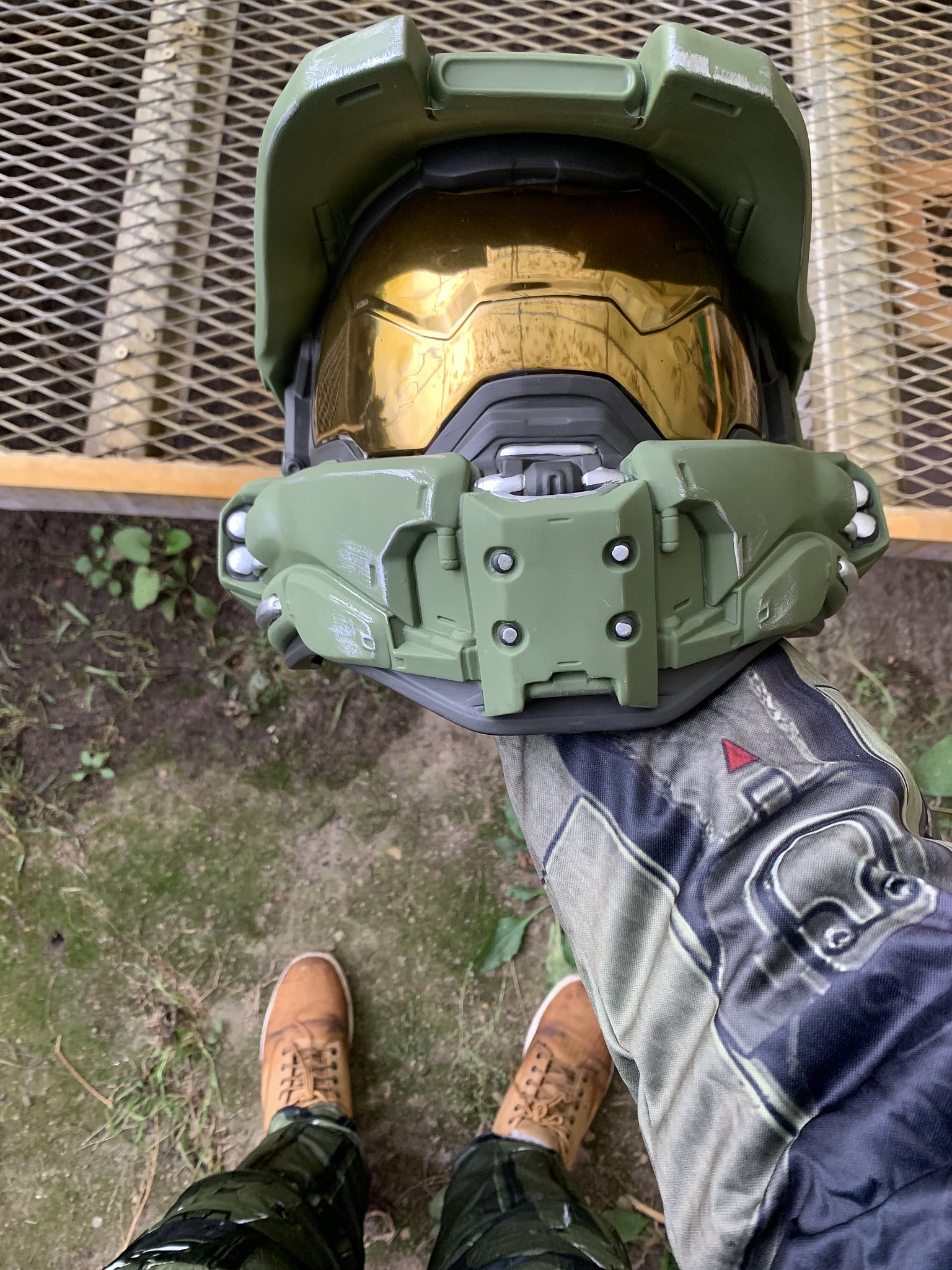
The United Nations Security Council (UNSC) wants legitimacy for a mission that rebuilds Gaza while keeping Israel secure. Fair. Yet legitimacy is ultimately earned with boots on the ground. The ISF will succeed only if it carries a clear mandate and a recognizable ethos—what I call the ‘Master Chief’ principle.
In every culture there exists a warrior-guardian archetype: disciplined, self-sacrificing, incorruptible. In modern myth, the Master Chief embodies that archetype, a soldier whose strength serves conscience. Gaza’s stabilization mission needs leaders cut from that cloth. Without them, “technocratic administration” risks becoming another phrase for paralysis.
How the Master Chief principle solves the mandate gap
1. Unity of purpose.
The UNSC language must name not only objectives but behavioral code: courage without cruelty, command with empathy. A “Master Chief and Spartans” structure—teams trained in both tactical restraint and humanitarian coordination—creates coherence across national contingents that legal jargon alone cannot.
2. Moral chain of command.
The proposed Board of Peace can provide civilian oversight, but it needs a human interface able to mediate between field realities and diplomatic expectations. The Chief figure—backed by allied “Spartans”—embodies accountability that no rotating committee can supply.
3. Pre-empting the vacuum.
As some analysts warn, Hamas is already regrouping. Every day without a visible stabilizing presence deepens public fear and legitimizes armed factions. Deploying Master Chief-caliber leadership early signals to Gazans that the new force protects people, not interests. That assurance is what drains recruitment from extremists.
4. From occupation to cultivation.
The world doesn’t need another buffer zone; it needs a bridge. The Master Chief ethos reframes security as stewardship—guarding schools, markets, and fields so that reconstruction can root. When residents see soldiers repairing irrigation lines instead of merely patrolling them, faith returns to the soil itself.
Chapter VI spirit, human core
Some fear that a strong mandate edges toward Chapter VII militarization. It doesn’t have to. A Chapter VI-style resolution—diplomatic in form, humane in tone—can still authorize decisive action if it also commissions character. The Chief model supplies that: disciplined guardians operating under strict international law yet animated by compassion to bridge the gap of fear and trust.
The UNSC’s Real Test
If the United Nations wants this mission remembered as the moment global governance rediscovered its soul, its mandate must speak not only to states but to hearts. Put plainly: insert the Master Chief clause. Define the leadership traits, the code of conduct, the civilian-protection oath. And name the supporting Spartans—engineers, medics, teachers, farmers—who turn victory into renewal.
Without them, the ISF risks becoming another acronym in the desert.
With them, it could become the prototype of 21st-century peacekeeping: armored compassion, disciplined mercy, strength devoted to life.
Many prior attempts at peace-building resolutions in Gaza have failed.
Now is a time when the UNSC must consider to ‘send in the Chief,’ and a team of Spartans who will stand by to help cultivate peace from the ground up.
The Blood, Sweat and Tears of Reconstruction
If the forthcoming ISF mandate limits itself to armored patrols and ceasefire supervision, then the deeper mission will be missed. True stabilization is not a question of control, but of renewal. You can rebuild the walls of Gaza, yet if the will and spirit of its people remain fractured, everlasting peace will not hold.
Reconstruction must move beyond infrastructure—it must restore dignity, education, and belonging. The moral architecture has to take root alongside the political one. Every reopened classroom, every greenhouse that begins producing again, every child who dares to dream beneath a repaired roof—these are the true foundations of peace.
The “Master Chief principle” embodies this synthesis: disciplined strength anchored in restraint, and courage guided by compassion. Those who lead this mission—soldiers, engineers, teachers alike—must carry that same code.
The next phase requires civil renewal units: educators, farmers, builders, and local youth working side by side to restore life. The soil must be healed alongside the psyche. Water must run clean. Schools must once again hum with learning and laughter. Only then, will the collective social body of humans, devastated by war, recover from its trauma.
Every act of rebuilding must carry a sacred undertone—we came not to conquer, but to cultivate and plant new roots.
That is how despair disarms itself; that is how enemies are transformed into neighbors.
If the UN’s resolution is to matter, it must enshrine protection not only for borders, but for hearts, harvests, and human hope. The future will not be written in cement or ink, but in the quiet rebirth of trust between people.
Where guardianship meets renewal, where soldiers defend farmers and teachers defend truth—that is where the soil, the body, and the soul begin to heal together.