War Should Never Be The Reason To Quit Science
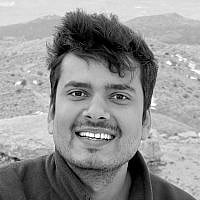
Imagine me, an average-shy student in school, isolating DNA from a banana for the first time: I saw naked DNA with my own eyes. This experience made me decide that whatever I do in life, it will be in science. As the years passed, my passion for research grew. I remember the moment I first held a pipette in the immunobiology lab at the University of Delhi, measuring the protein concentration of LPS-treated macrophage cells, and achieving an R2 value of 0.99 on the very first attempt! The PhD student in the lab praised me greatly at that moment, and I was elated. After sending numerous emails and applications to be accepted into a PhD program, and after multiple interviews, I finally received responses from two places – Canada and Israel. I chose Israel because my long-awaited dream of working in immunology complemented my professor’s cutting-edge work on T cell metabolism in aged mice. I was very excited and happy when I was finally accepted in October 2024.
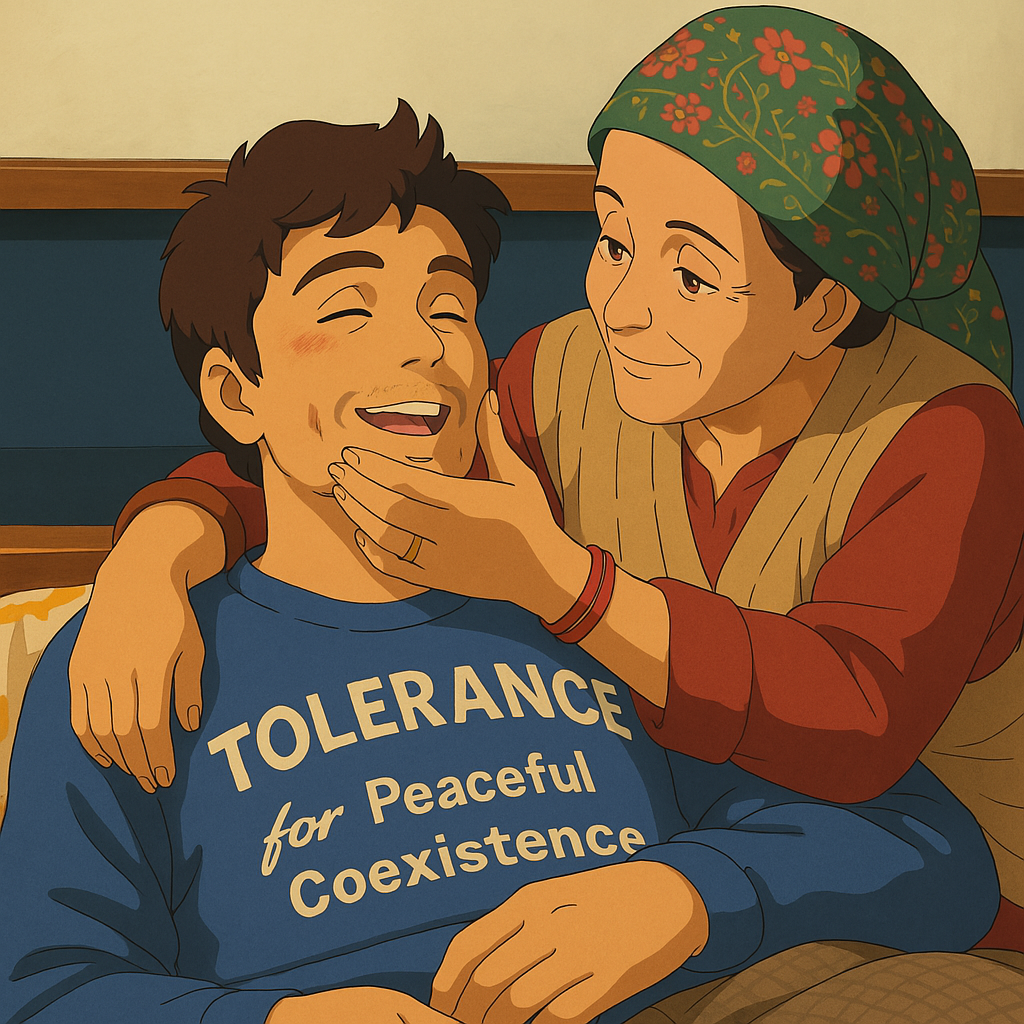
In India, I grew up in large families where everyone’s opinion matters. When I was preparing to leave, most relatives were concerned due to regional tensions in middle east. However, I was still very excited, and the only opinion that mattered to me was my mother’s, and her words struck a chord: “We are not safe anywhere in this world, and war should never be the reason to stop pursuing your dreams.” After that, all my doubts cleared, and I decided to go to study in Israel.
In June 2025, during the 12-day war with Iran, the Indian embassy evacuated other students and me from Israel. I was confused in the beginning, as I was not intending to leave until I saw the fumes from a distant building hit by missile shrapnel from my room, and when my father started panicking. I thought, let’s go back. I went, and the journey, which was supposed to be one day maximum, took 3 days because of the ongoing missile attacks, albeit most of the missiles got intercepted by the Iron Dome. Surprisingly, the day I landed in India, there was a ceasefire, and everything at my institute started as normal and fully functional. I felt worse when everyone was working, and I could not, and felt that we were safer on campus than traveling. I waited for some time, but I decided not to quit, as I was not ready to give up on my research, since the opportunity had not come easily. I believed it was all about mindfulness, starting with seeing DNA in school, building a competitive CV, entering all debate competitions, and exposing myself to various conferences. I decided to go back, started working again, and passed my candidacy exam with positive reviews.
I am soon starting my third year of PhD, and I can honestly say that this time I am not going to leave my experiments due to the current tensions of the Israel-US-Iran war because I believe my desire to pursue my research outweighs the ongoing conflicts. It has been almost a month, and I have succeeded in doing so by following the same routine – going to the lab, planning and performing experiments, and discussing my work with my professor over Zoom calls instead of sitting in a room and hoping for the war to end. There are sirens, but I manage to halt my experiments, go to the shelter, then restart and complete them.
I think it is all about the mindset. A PhD journey teaches you not only how to do research but also resilience, patience, and an attitude of never giving up, even during challenging times. When experiments don’t work for unknown reasons, you reflect on your decisions, and imposter syndrome can creep in. However, what always keeps me going is my mother’s conviction and belief in myself—that this, too, shall pass—and I will come out stronger as an individual.