


Weizmann Institute Research Opens New Path for Alzheimer’s Treatment
Phase 1 clinical trial reports positive results for a brain-protective immunotherapy in patients with early-stage Alzheimer’s disease
Dozens of research teams worldwide are working to halt, treat, and even prevent Alzheimer’s disease, which can silently develop in the brain for more than a decade before symptoms appear. Although significant progress has been made in recent years, researchers continue to seek therapies that can more effectively alter the course of the disease and other forms of dementia.
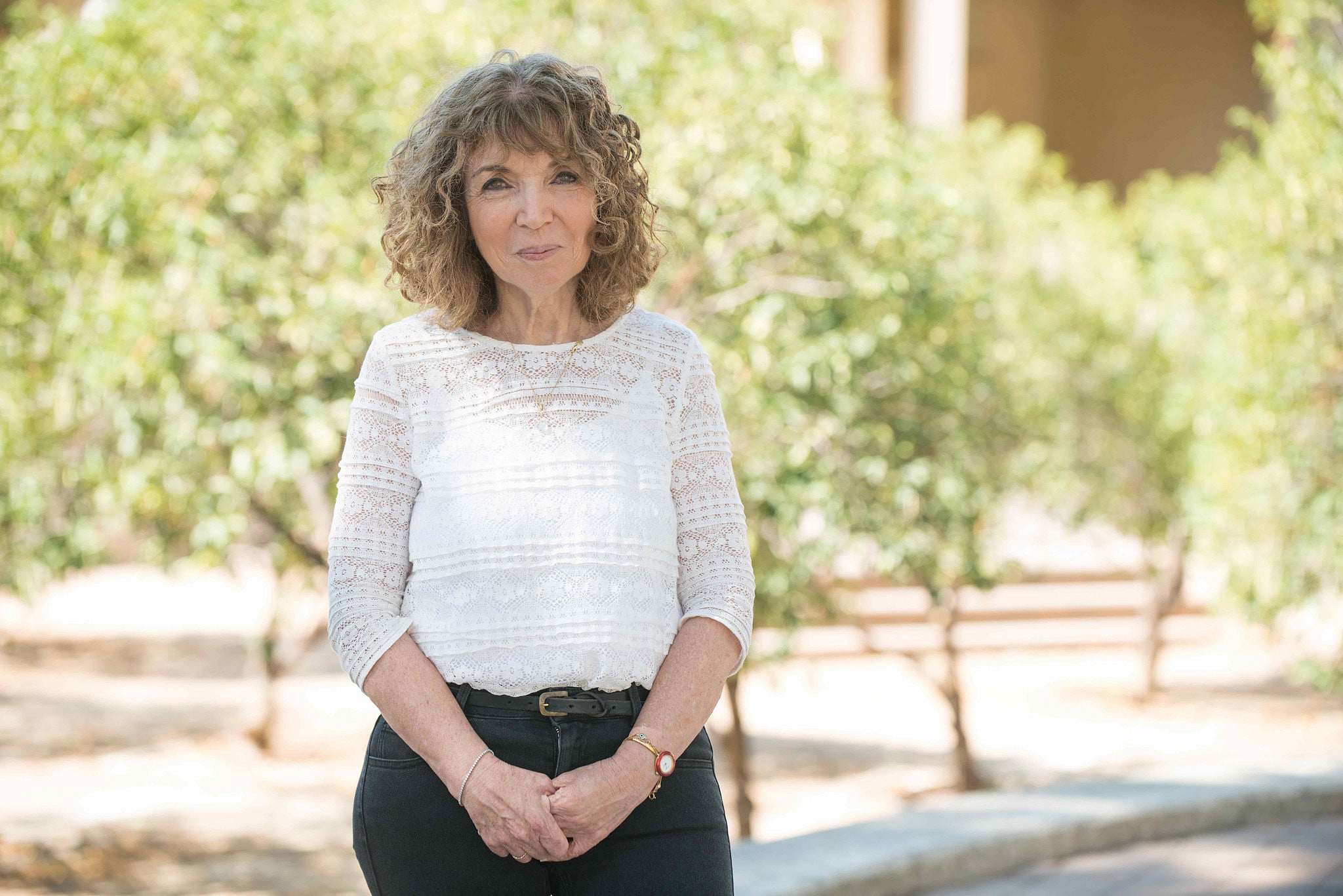
Professor Michal Schwartz, from the Department of Brain Sciences at the Weizmann Institute of Science, has developed an innovative strategy for treating Alzheimer’s. Winner of the Israel Prize in Life Sciences, she demonstrated that the brain depends on the immune system for its functioning, maintenance, and repair throughout life—contradicting the long-held belief that any immune activity in the brain would be harmful.
Based on these findings, Schwartz showed that aging of the immune system plays a central role in the progression of neurodegenerative diseases by promoting chronic brain inflammation. The research suggests that simply removing amyloid plaques is not enough to stop Alzheimer’s, paving the way for a new therapeutic approach focused on the immune system.
The results of the phase 1b clinical trial of this immunotherapy, published in Nature Medicine, confirmed that the treatment was safe and well tolerated. As is typical in phase 1 studies, the main goal was to assess the safety of the therapy in patients with early-stage Alzheimer’s.
Instead of acting directly on amyloid plaques, the treatment aims to restore the immune system’s ability to protect the brain. This strategy builds on research begun about a decade ago, which showed in animal models that temporary modulation of the PD-1/PD-L1 immune pathway reduces brain inflammation, eliminates aged cells, and improves memory. These discoveries led to the creation of ImmunoBrain, the company responsible for developing the humanized antibody IBC-Ab002, licensed by Yeda, the Weizmann Institute’s technology transfer company.
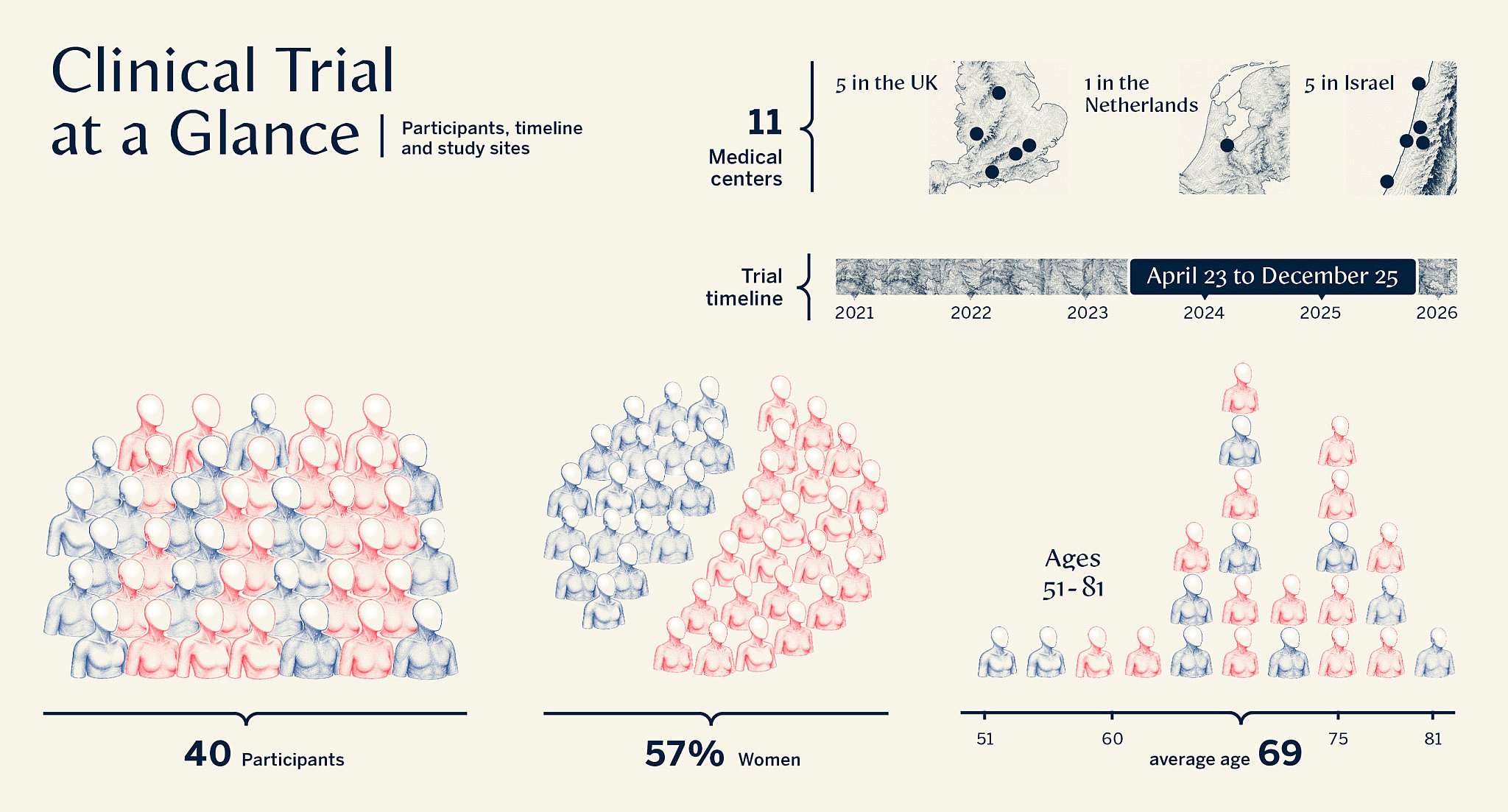
The international study involved 40 patients with early-stage Alzheimer’s, recruited from 11 medical centers in the UK, Israel, and the Netherlands. In addition to confirming the treatment’s safety, researchers observed reductions in biomarkers associated with neuronal damage and loss of synaptic function—results that support advancing to the next stages of clinical development.
“Aging is the greatest risk factor for Alzheimer’s disease,” says Michal Schwartz. “Our research shows that one of the main drivers of disease progression is the aging of the immune system, which fuels chronic brain inflammation.”
According to Schwartz, the therapy’s goal is to restore the immune system’s ability to protect the brain, helping to halt or even reverse the disease’s progression.
“We believe this approach could usher in a new era in the treatment of dementias and other neurodegenerative diseases, whose incidence continues to rise with population aging and increased life expectancy,” she concludes.
The Weizmann Institute of Science is among the world’s leading multidisciplinary research institutes. With an international community of more than 5,400 scientists, lab technicians, and students, the institution stands out for its vibrant and collaborative academic culture. For over 90 years, Weizmann has been dedicated to producing knowledge and developing innovative solutions to combat disease and protect the environment, establishing itself as one of the most prestigious research centers globally, recognized for academic excellence and scientific impact. In 2025, the Institute was ranked 6th in the Leiden Ranking, which evaluates academic research quality based solely on quantitative criteria such as publications and scientific citations, placing it alongside internationally renowned universities like Princeton, Harvard, Stanford, and MIT.
Follow the Friends of Weizmann:
Website: www.amigosdoweizmann.org.br
Facebook: Friends of Weizmann – Brazil
Instagram: weizmann_brasil
LinkedIn: weizmann latam
