Warning: Not for political junkies
Ancient Hebron has been on my mind lately.
It’s not just because it’s been in the news as a potentially key breakthrough to new ways of thinking about achieving peace in the Middle East. I do not digress, though, as I promised above that this would not be a political piece.
This is about history. And reality. Values that are lost in the shuffle of blood-red pins and culturally-appropriated kaffiyehs. Honestly, dedicated readers will know that I do not go in for those PC phrases. But that’s what gets the headlines – thank you, superficial 2025 Emmy-award-winners.
Let’s talk about the past. Allow me to introduce you to an initiative called 929, reading all of the chapters of the Bible (ours; the ‘first part’ for some) in a 3.5 year cycle: www.929.org.il/lang/en/today. After recently celebrating the completion of its third round, I decided it’s high time for me to jump in and join this next cycle.
Today’s reading in Breisheit, the book of Genesis, ends with Abraham settling in the southern Hebron Hills, in a site called Alonei Mamreh. Just another Israelite town with a hard-to-pronounce Hebrew name? This one is the forerunner to ancient Jewish Hebron, translating to “Oaks of Mamreh”, from the Middle Bronze Age – and it’s still around in the valley of Hebron. I had the privilege of visiting it a couple of decades ago, and reciting these very verses while imagining our forefather Abraham, pitching his tent and preparing to receive guests on this main thoroughfare between Beersheba in the south and Jerusalem to the north.
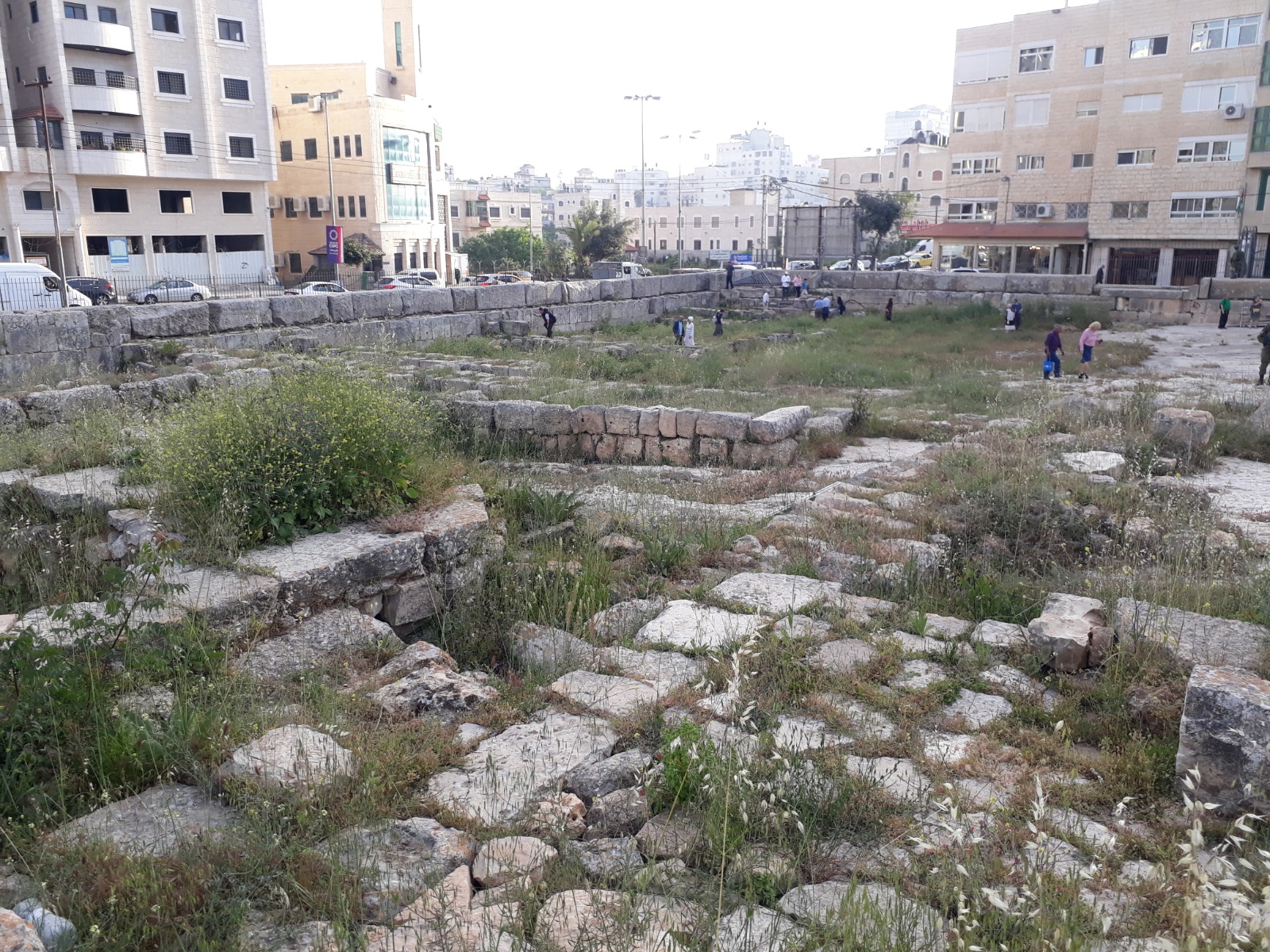
An old pile of rocks, you say? How about the embodiment of the biblical verses describing the very beginnings of the Jewish people in the land of Israel. Some might prefer to ignore that inconvenient fact. But a people who remember their past, ensure their future. And this we do, from mourning a temple destroyed 2000 years ago, to preparing this month of Elul for the Hebrew New Year, including hours and days of prayer beginning next week on the auspicious holiday of Rosh Hashana.
Archaeology brings history to life. And without that story we have a shaky connection at best. But with the return to our land, the opening of the holiest book and a walk in the footsteps of our forefathers, we prove that we are here to stay.
Thank you, Alonei Mamreh and Hebron, for that healthy reminder. Am Yisrael Chai!