We Cannot Afford Another Sinat Chinam
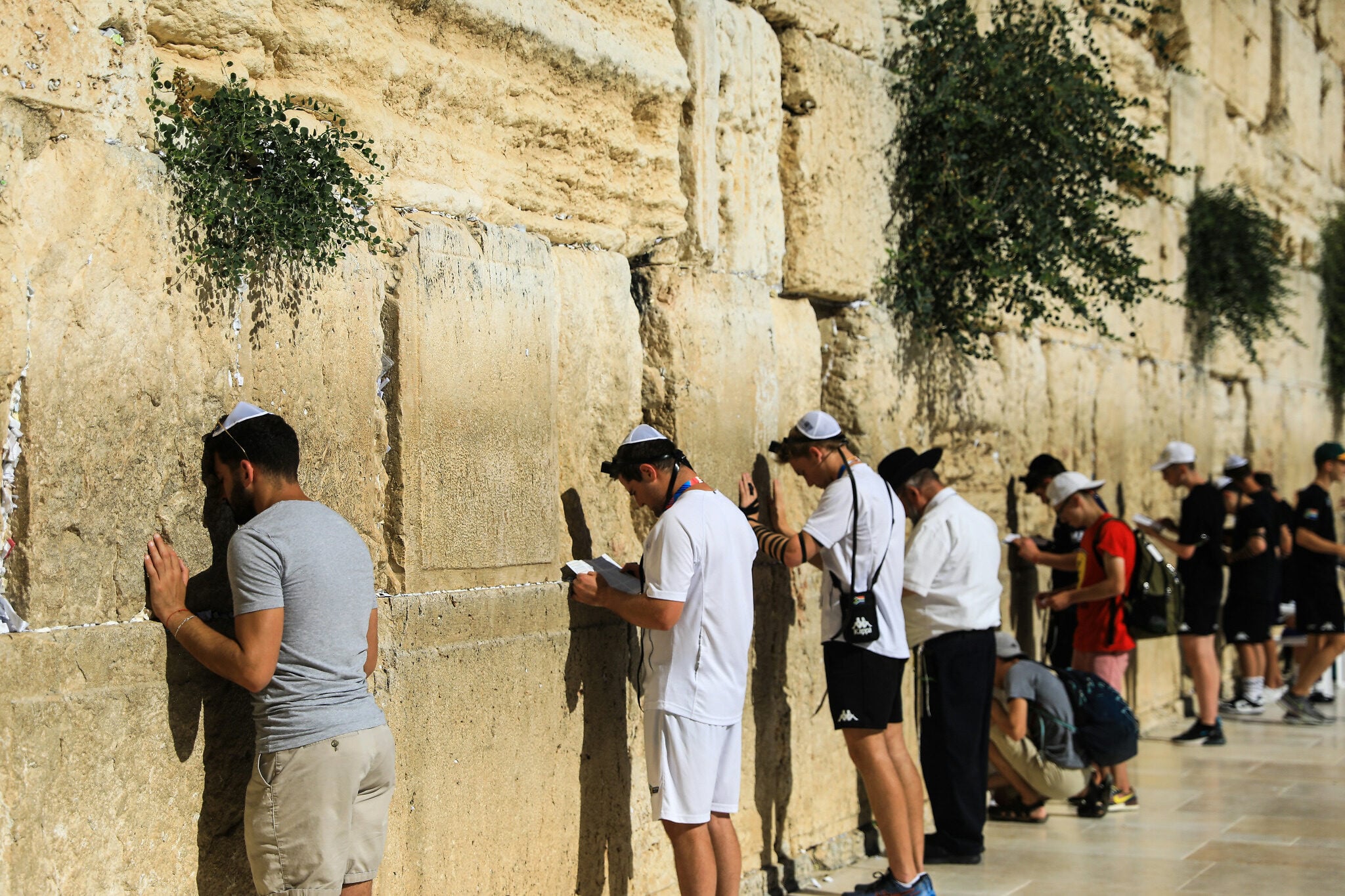
On November 1st, days after Israel’s election, Haredi protesters and police clashed in Jerusalem after a yeshiva student had been arrested for not complying with conscription. Earlier that day, Haredi protesters at the Tel Hashomer IDF base tried to intimidate the Haredi young men showing up to serve. Incidents like these are not isolated. They represent an increasing divide in Jewish-Israeli society and threaten Israel’s survival.
Jews make up about two-tenths of one percent of the world’s population. Pairing this fact with our global influence on technology, science, and literature fuels a great sense of pride, but it is also a warning. Our limited population cannot afford internal divisions that threaten its security.
The Haredi draft exemption was created in 1948, when only about 400 yeshiva students were affected.
It was not made for a community that now makes up over 14% of the population.
Even Ben-Gurion wrote to Levi Eshkol in 1963 that he regretted the exemption and felt partly responsible for how far it had grown. As of October 8th, about 80,000 Haredi men aged 18-24 are eligible and have not enlisted, while the IDF is short around 12,000 soldiers. The Haredi population will only grow, reaching nearly a quarter of the Israeli population by 2050.
There is a wide formative and emotional distance between many Haredim and non-Haredi Jews. There are Haredim who do not believe the IDF to be a viable means of protection, including some who believe learning in the yeshivas protects Jews more than the institutions of the State. Even with Haredi units available, some Haredim who serve must accept being cut off from their families, effectively becoming lone soldiers. Many Haredi families ask: why should my son leave the yeshiva to serve in an army not built for our way of life? Will he come home less religious than when he left?
Yet the IDF has already made concessions. The Hashmonaim Brigade gives Haredi soldiers strict kashrut, time for prayer and Torah study, no mixed-gender service, and its own officers’ course. An overlying issue is that most Haredi leaders refuse to meet in the middle and help shape the conditions of service. In a July 2026 poll, 45% of Haredim said enlistment could happen through agreements with their leaders.
On the other hand, there are Jews who believe serving is a duty every Israeli shares, and resent the Haredim who do not share it. Many Israelis go into the IDF at eighteen and come out with long lasting emotional impacts, from friends they have lost and things they have seen, and then get called back to reserves again and again. Many non-Haredi Jewish soldiers ask: why do I give years of my life while they receive state benefits without helping out? Why have Haredi units at all? Why should the IDF bend towards a community largely unwilling to serve?
You can argue that the IDF effectively bends for every Israeli. The purpose of Tzav Rishon is to make an initial determination of each recruit’s capabilities and which units they are best suited for. A Haredi unit is not special treatment; it is configuration, placing each soldier where he can serve best, and it puts more men beside the soldiers who have long carried this burden alone.
We tend to blame the destruction of our home two thousand years ago on the Romans, and while this is largely true, the Talmud tells a more complete story. It teaches us that the fall of the Second Temple was also due to sinat chinam, baseless hatred towards our own, even though we were devoted to Torah. Between the destruction of the Second Temple and 1948, most of our people lived in exile, without a state of our own, and for most of that time, many lands we lived in treated us as second-class citizens. After the world’s countless attempts to extinguish us, we finally have the privilege of living and practicing Judaism freely on our soil. For thousands of years, our ancestors faced the life-threatening dilemma of conversion. Now, we face the life-preserving dilemma of conscription.
Resentment shared by both Haredim and non-Haredi Jews is fair. But it is also a product of not understanding where the other side comes from, and of a lack of trust. With Haredi men serving alongside everyone else, that trust will grow.
The matter of Haredi conscription should matter to all Jews, both inside and outside of Israel, because it affects the survival of the State. Diaspora Jews still need Israel as a place to fall back on. The Second Temple did not fall for a lack of Torah; it fell because we turned on each other. Whatever type of Jew you are, Israel is still yours to protect.