
We Stay When the Missiles Fly
A Chickasaw-Israeli take on war, home and what it means to belong
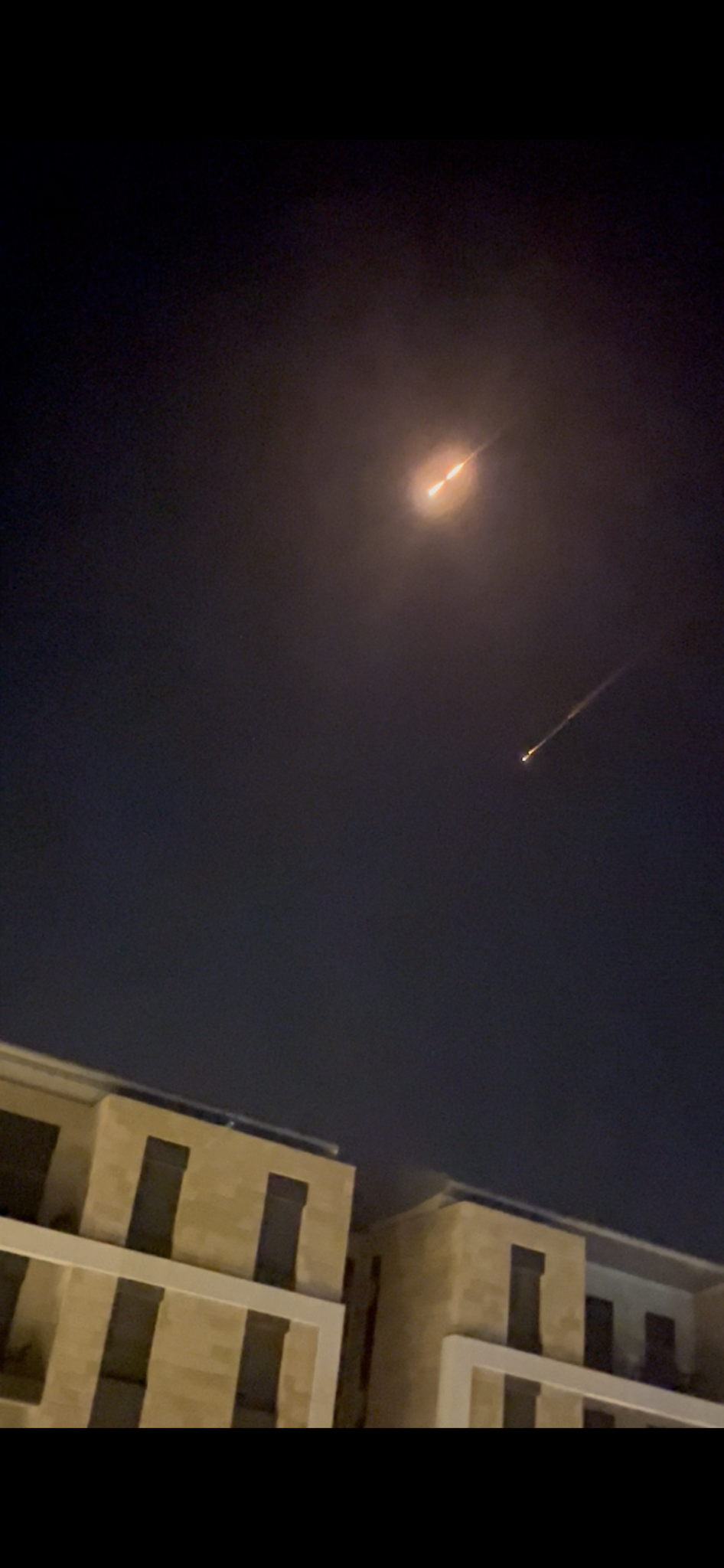
By the time you see the missiles, they’ve already been in the air for minutes. Long streaks arching across the night sky, some high and silent, others low and loud. You hold your breath, not because you think you’re the target, but because your friends might be. That’s what it felt like in Jerusalem the other night when Iran launched missiles towards Tel Aviv, Haifa, and every place in between. That’s what it means to live in a land that some think you shouldn’t.
It’s a strange thing, watching death fly over you. There’s helplessness, but also something deeper. I’m not Jewish. I’m Chickasaw. I’m married to a Jewish woman and I’ve made Aliyah. I’m an Israeli citizen now, too. My fate is intertwined with hers. With this land. With the people who are here, by birth, by choice, by necessity. When missiles fly toward them, they’re flying toward us; all of us.
People ask if we’re going to leave. I get it. They think it’s a fair question. The thing is: no one here is running. If anything, people stuck abroad have prioritized getting back. That’s not just nationalism. That’s not ideology. That’s indigenousness. That’s love for your land. It’s a knowing that this place is part of your story, and you are part of its survival.
For Chickasaws, land isn’t just geography. It’s language, memory, responsibility. I see that same understanding here in Israel. Jews who were exiled for thousands of years came back, not just because they could, but because they must. This land is not just a place on the map; it’s part of who they are. I recognize that instinct. It’s awe-inspiring, and it’s familiar.
I see it in the way Israelis talk about their homes, their communities, the flowers blooming even during war. I see it in the way they make space for life in the cracks between terror. I see it in the defiance. Go ahead and look up the phrase “Am Yisrael Chai.”
This war, at its core, is about the right to exist. Not to conquer. Not to erase. To exist. Iran’s regime has said openly and repeatedly that Israel shouldn’t be on the map. That Jews don’t belong in the Middle East. When people say, “It’s complicated,” I want to ask, what’s complicated about not wanting to be annihilated?
The missiles don’t just carry explosives. They carry ideology. They carry the lie that Indigenous people don’t belong in their own homeland. As a Chickasaw, I’ve heard that lie before. I know what it means when someone thinks your existence is negotiable. I know what it looks like when someone redraws the borders of your life and calls it peace.
I also know what it means to stay. To resist not with violence, but with presence. For Israel, with planting roots deeper than any missile can reach.
We stayed up late these nights, my wife and I. Our phones lit up with alerts from cities all across Israel, Tel Aviv, Haifa, the center. We reached out to friends and family, waiting to hear the “I’m okay” that never comes fast enough. We stayed, not because we’re brave, but this is home.
When the world looks at Israel, I want them to see more than headlines and hashtags. I want them to see a people who keep rebuilding, keep returning, keep choosing life. I want them to see Indigenous resilience, Jewish, yes, but universal too. In that spirit, I see my own people reflected.
When missiles fly overhead, our feet stay on the ground. We know what it means to belong.