
Living and loving in Jerusalem
Featured Post
Wearing the hostage pin
At 600 days, a cloud weighs on my bright yellow symbol of the souls who must come home. There seems to be no end to this war and time is running out for them
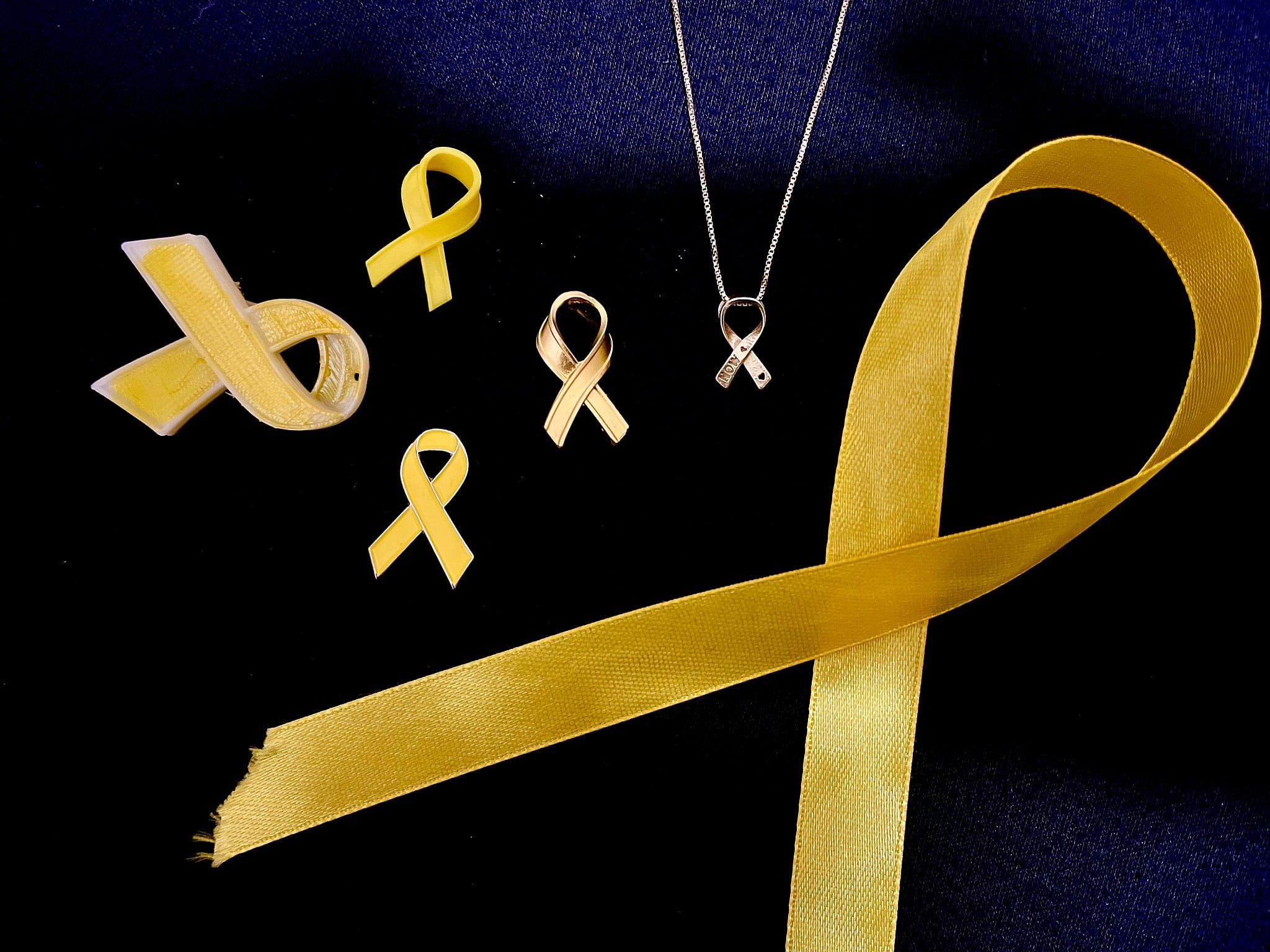
Some of my yellow hostage accessories, (courtesy)
It took a long time until I started wearing a yellow hostage pin.
At the start, in truth, most people in my circles didn’t wear them.
I carried the hostages in my heart. I carried them in my prayers. I didn’t need to wear them on my lapel. They were with me constantly — in my waking hours and in my dreams.
I knew their names and their mothers’ names. I recognized their faces, knew their stories, and could name the kibbutzim from which they were stolen, although I couldn’t always remember who came from where.
I needed no external reminder and felt no need to make a statement.
Beyond that, the hostage pins seemed political. I didn’t want to make a statement that I leaned left. I didn’t want to mark myself as someone who prioritized the lives of the few over the future lives of the many. The way it was being framed — though I didn’t see it that way — made it seem like Jewish values were being pitted against secular ones.
Deep down, I remembered the years of praying for the return of Israel’s captive soldiers at the Shabbat table with my children, and how sad it was that this ritual was part of their childhood. (We eventually stopped when Gilad Shalit was returned, abandoning our prayers for Ron Arad and the captives of Sultan Yacoub.) I thought of the poster for Hadar Goldin and Oron Shaul that had been hanging in my sukkah for nine years, and I feared that once I started wearing a hostage pin, I might not ever be able to stop.
I tied a yellow ribbon on my backpack. That felt like enough.
On the first Yom HaShoah of the war, though, I found myself wearing blue and white and felt that something was missing: a voluntary modern-day variant of the yellow Holocaust patch — not to mark me as a Jew, but as a Jew who is concerned about the fate of my sisters and brothers in captivity.
There were some leftover plastic hostage pins from an event at my work. Our office manager gave me one. Wearing it felt right for me that day. But just that once.
When Hersh and the other beautiful five were murdered, though, something broke inside me. There had been hope for a deal when remaining in the Philadelphi Corridor suddenly became more important than the lives of the hostages. Soon after, Hersh — a child of light and love, best friend of my murdered next-door neighbor Aner — was executed in a Hamas tunnel. He had been on the list of hostages to be released,
From that moment on, hostage pins became my main fashion accessory.
I wanted to declare publicly that my heart was being held captive in Gaza. I needed to show that saving the lives of people who are facing a clear and present threat to their lives is a supreme Jewish value and that religious Jews stand firmly with the hostage families — a message that wasn’t particularly widespread at the time.
At first, I felt uncomfortable wearing the pin to synagogue on Shabbat. After all, Shabbat is not a time for crying out. I wrapped myself in a bright yellow shawl and bought a leopard-print dress for Rosh Hashana so I could stand with hostage Romi Gonen in my Shabbat attire. Eventually, I realized that in a synagogue where the names of all the hostages are read aloud every Shabbat morning, it is perfectly fine to cry out on Shabbat by wearing hostage pins.
Once I started wearing them, I went a bit overboard, making sure that I had a hostage pin on each of my layers, so that I would be wearing one throughout the day, as I peeled off sweaters when my office got hot and put them back on when it got cold.
As time passed, I discovered that my favorite spot for the pin was on my hats. There they were never covered up. There they could be seen in Zoom meetings, so the Tel Avivians with whom I’m collaborating on a website could see that religious people are also concerned about the hostages.
Over time, I bought multiple pins, so I could avoid the morning ritual of running around trying to remember what I wore yesterday so I could transfer my pin to my latest outfit. Eventually, almost all my hats had a pin of their own.
As a fallback, I now always wear a delicate gold hostage necklace, in case I somehow lose my pins. Its length clashes with my other jewelry, and I find myself wondering if other necklaces will ever return to my life as fashion accessories.
Two months ago, when my son got married, I added an elegant gold hostage pin to my collection and bought pins for the rest of my family as well. Just as we remember the destruction of the Temple by breaking a glass under the chuppah at the time of our greatest joy, we recalled the hostages in the tunnels of Gaza and the suffering of their families during our time of celebration. Sadly, I now own a hostage accessory that is appropriate for formal occasions.
Over the last few weeks, my hostage pins — once a symbol of hope — feel more and more like a symbol of despair. When I put them on, I think about the stalled talks, the seemingly unbridgeable gap between the positions of Hamas and Israel, and the talk of the potential release of only half of the living hostages, rather than all the hostages. I think of Israel’s commitment to expanding the fighting in Gaza to root out Hamas and bring home the hostages. Yet we know that Hersh and the beautiful souls who were with him were executed when their captors sensed that Israeli soldiers were approaching. And we know that other hostages died — and almost died — as a result of Israeli bombings.
A black cloud now weighs heavily on my bright yellow symbol of the souls who must come home. There seems to be no end to this war in sight, time is running out for the hostages, and we seem powerless to change anything.
Many of the people I know are walking around with the same cloud above them, some wearing hostage pins, dog-tags, or pieces of masking tape with the chilling number of days since October 7, 2023 written on them. Be kind to such people when you see them.
Rachel Goldberg-Polin, Hersh’s mom, taught us that hope is mandatory. I’m trying to be a good student, but it’s difficult. Even so, every morning, I still reach for my pin. Every morning, I make a statement that I’m carrying the hostages with me into the world.
The pin weighs differently now, but I still wear it.
600 days and counting.
Related Topics
Related Posts