Wet Dreams Under the Ayatollah’s Eye
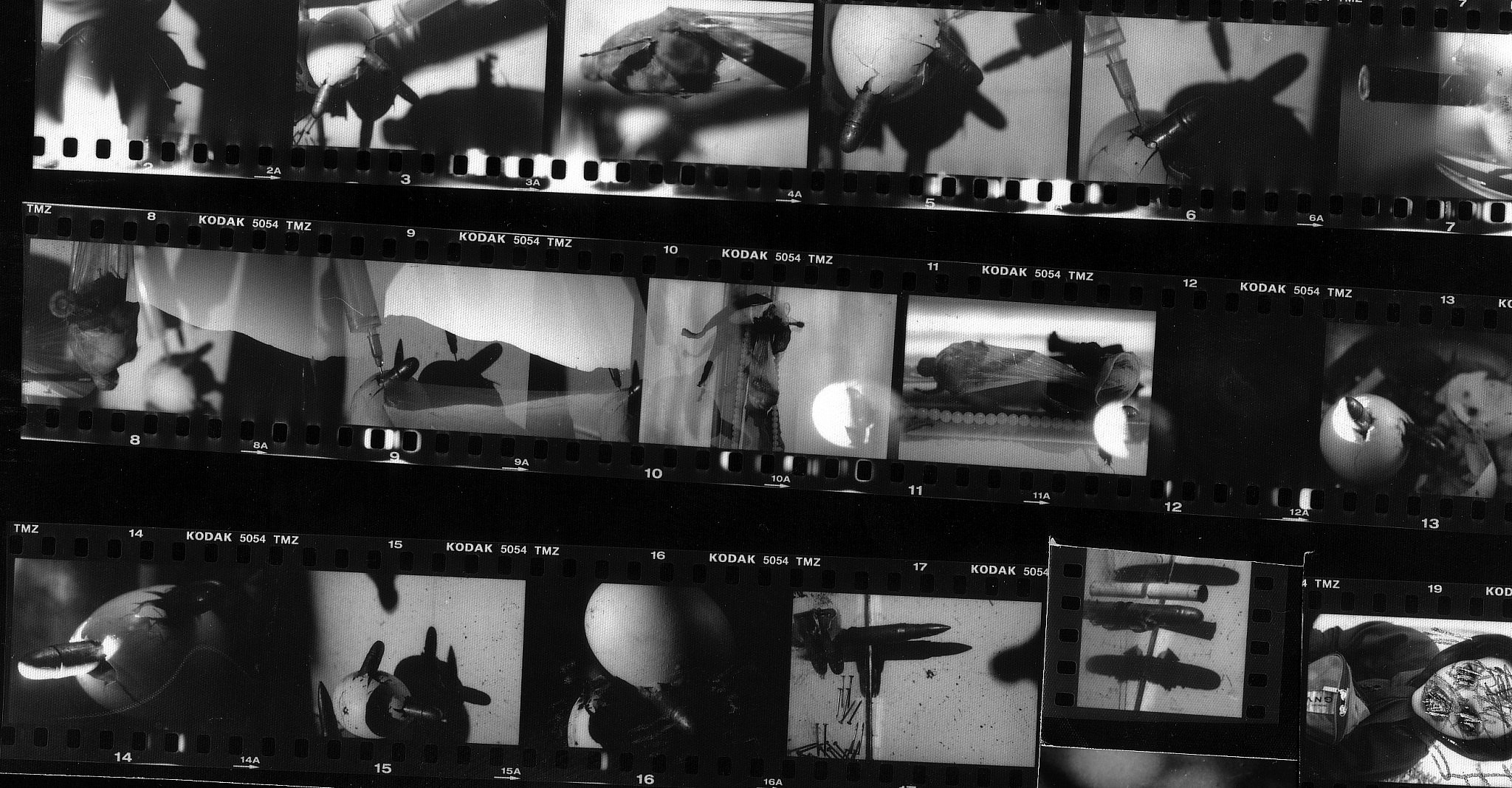
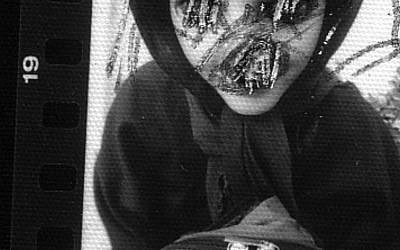
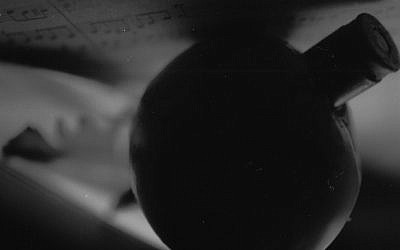
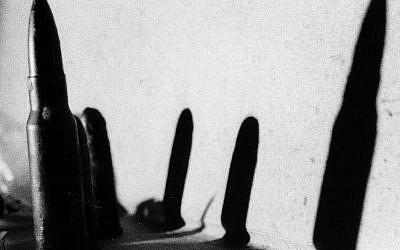
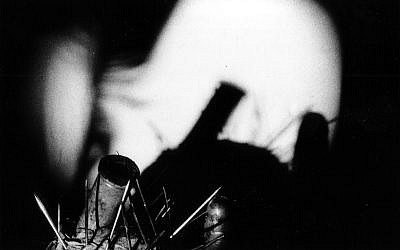
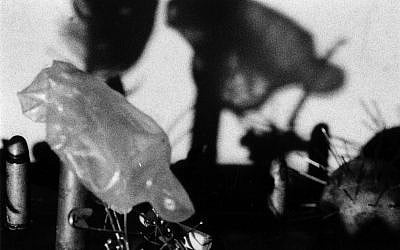
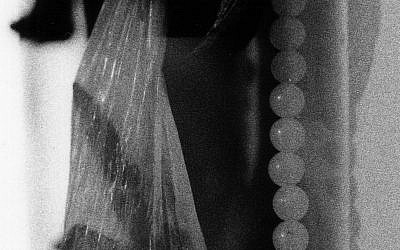
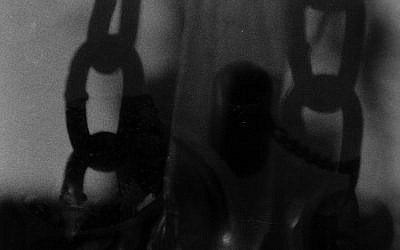
In 2001, in the blistering heat of July, I began photographing what became WET DREAMS—my conceptual art response to war, terror, sex, and censorship. The idea began with an object: a condom. Innocuous, playful, protective. I juxtaposed it with a bullet—deadly, cold, final. The erotic tension between the two was unmistakable, yet no one had dared to visualize it quite like this before.
I created this project in Iran, using a film camera without access to Photoshop or digital tools. My tools were instinct, metaphor, and memory. The bullets came from a neighbor—an Iraq War veteran. Every object in my frame was a symbol: rage, shame, desire, control. Sex and death. Light and shadow. Carl Jung’s theory of the unconscious and the archetype deeply influenced me—I saw terror not just as politics, but as projection.
When I showed early versions of the work to fellow Iranian artists, I was met with resistance. They feared Western audiences would reinforce the stereotype of Iran as violent or backward. I understood their concern, but for me, this was about confronting our inner darkness, not masking it. Sometimes sex is war and sometimes war is sex for some.
This project was shaped by living under religious authoritarianism—by memories of war, by sexual repression, by surveillance. Every act of pleasure became political. Every orgasm, a protest. I had lovers who were Arab, Muslims, devout, Communist, feminist. We met in secret, driven by curiosity, danger, and loneliness. I feared pregnancies not just for practical reasons—but because in Iran, sex outside marriage could mean imprisonment, even execution.
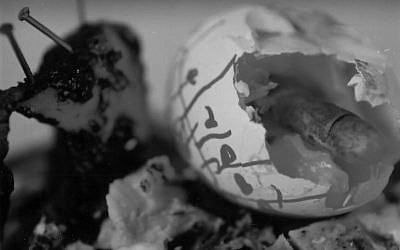
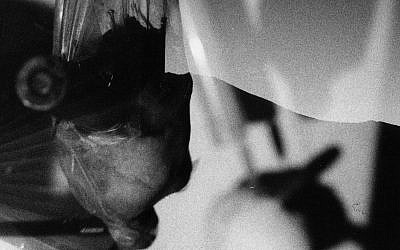
Freud was banned, but I read him. I studied bullets, condoms, insects, even mice—each became metaphors in my work. I imagined bullets sleeping with each other. I saw how sex was weaponized, how silence became a form of violence, and how trauma left its residue in our beds.
WET DREAM became my escape and my weapon—images instead of guns, metaphors instead of propaganda. I explored surveillance, betrayal, state power. In the end, my photos were investigated. A show in London was canceled. Some claimed I was sending secret messages to intelligence agencies. The truth was simpler: I was just telling my story.
After 9/11, the political temperature exploded. I traveled to Afghanistan. I debated with journalists who thought I was mad. But I believed then—as I do now—that art can disarm. A bullet without a gun is harmless. A condom without trust is meaningless. But together, they can tell the story of a generation trapped between desire and destruction.
Some say my work is obscene, others say it’s prophetic. I say it’s personal. Because for me, nightmares were not metaphors. They were the Ayatollah’s gaze, the prison guard’s hand, the whisper of betrayal in the dark.
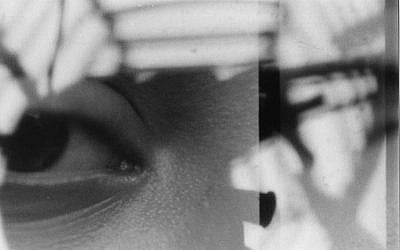
These images—titled W23—are more powerful than anything I could ever write.