What a Difference a Year Makes
November 19th marks one year since our son and three close friends serving in miluim (reserves) in Lebanon were seriously wounded. Tragically, a fifth comrade did not survive, and his yahrzeit was observed on the 18th of Cheshvan.
This past year has been a whirlwind of gratitude and grief—thankful that our son and his comrades lived, mourning the friend who did not. Those feelings were especially raw during our visit to Heichal HaZikaron on Har Herzl, where the names of soldiers who fell on this date are read aloud. We met the fallen soldier’s parents, and for a long, quiet moment, words felt impossible: your son did not survive; ours did. In that silence, the pain of loss and the gift of life were painfully clear, and the fragile threads that connect all of us in memory and hope felt tangible.
Only now, a full year later, are we beginning to truly process what happened. Until recently, we operated on autopilot, focused entirely on our sons’ recovery. As we see these young men slowly moving forward, we can finally step back and reflect on what this experience has meant for us.
One moment that remains vivid is the reunion with their commander. He embraced them tightly and, with visible emotion, told us that if he had known this would be the ending when they were first wounded, it would have spared so much pain. That simple acknowledgment captured both the gravity of what they endured and the relief of seeing them alive and moving forward.
In a recent mothers’ group chat, we spoke openly about each hurdle along the way: receiving the initial phone call, the endless hours waiting during surgery, and the long sequence of “next steps”—moving from the ICU to the step-down unit, then to a regular unit, and finally to rehab. The biggest hurdle of all, perhaps, was coming home. After months of living within a rigid routine, the transition was disorienting. As one mother put it, when a soldier is wounded, the whole family is wounded; everything in the home turns upside down.
For mothers, the regression is sudden and startling—we are thrust back years, caring for our sons almost as infants again: feeding, sleeping beside them, wiping away tears, helping them take their first steps. And then, almost overnight, they regain independence. From needing us constantly to not needing us at all, we are left holding our own emotions, unsure where to place them.
Alongside our internal process, we face questions from others—often asked without realizing their weight. One mother shared being challenged about her son’s handicapped parking tag: “He can walk—why does he need that?” Others ask: How is he managing? Can he function? It seems there is an expectation that a wounded soldier should remain visibly wounded forever, as if healing must come with a permanent marker.
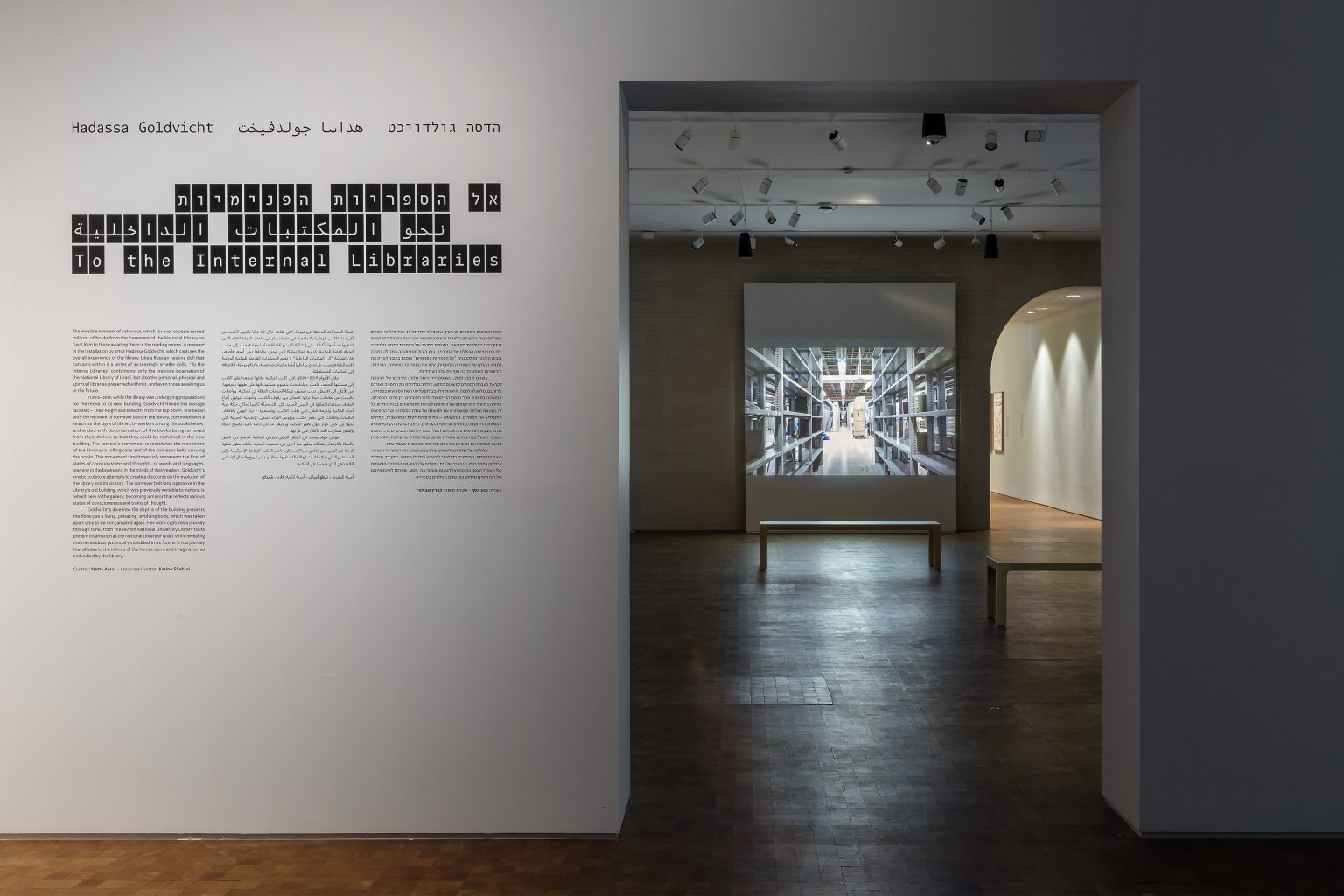
Recently, artist Hadassah Goldvicht shared her reflections on rehabilitation through her installation Internal Libraries at the Israel National Library. She imagined the old library as a living being—a “patient” undergoing an architectural MRI. She spoke of the need to return to one’s own internal library, to engage with each transition rather than rush past it.
As we explored the installation with Hadassah, her words resonated deeply with us. They offered a language for what we, our sons, and many other families are experiencing. We are learning, each in our own way, to be present with the transitions—to honor the pain, the progress, and the quiet rebuilding that marks this next chapter of healing.
We move forward carrying the weight of this year, yet also the hope that each new step—ours and our sons’—will be lighter than the last, as we continue to pray for the healing of all the wounded and the return of the bodies of the three remaining hostages.