What I learned from editing 50 High Holiday sermons
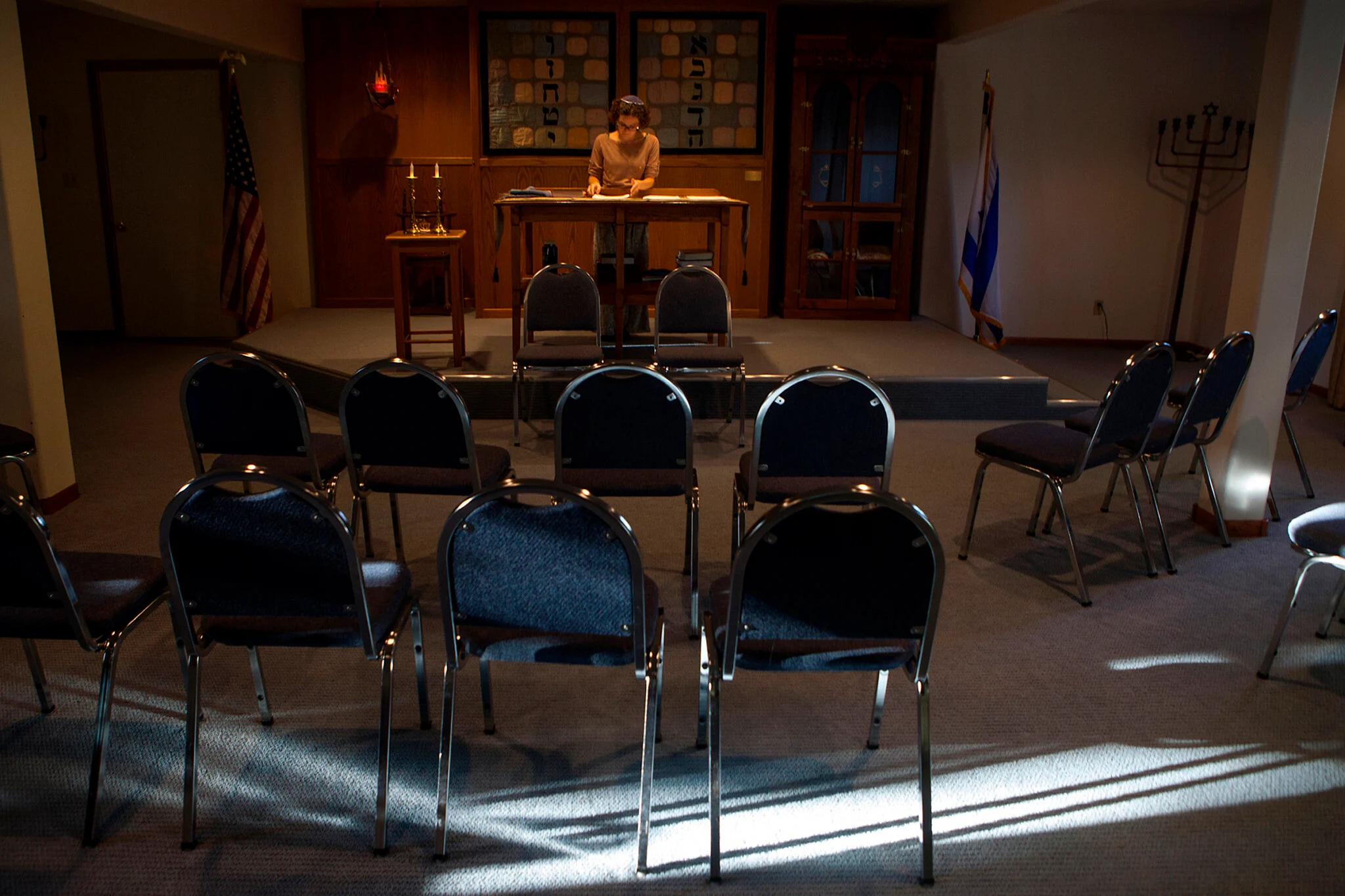
I spend each summer supporting, reading, and editing around 50 High Holiday sermons. Taken together, they tell a story about the American Jewish community right now.
For the past several years I’ve worked as a writing coach for rabbis and other Jewish professionals. This year I worked one-on-one with 25 rabbis and ran 9 workshops for rabbis across movements and a range of political and cultural perspectives. It’s an unusual vantage point: I get to listen and help as wise, thoughtful, deeply committed Jewish leaders wrestle with what they most need to say to their communities.
In 2024, the first High Holiday season after October 7, most of the sermons I worked with focused on that day and its aftermath. Last year, most grappled with the shocking fallout of the first year of the Trump administration.
This year the sermons were all over the map. Many addressed antisemitism, the subject the largest number of rabbis felt they had to speak to, but also Israel and Palestine, ICE, democracy, the 25th anniversary of 9/11, climate change, communal conflict, cheshbon nefesh (self-accounting), interpersonal repair, and all the timeless questions the High Holidays bring with them.
The throughline, however, was that collectively we have moved from acute crisis to chronic crisis.
While in past years, I’ve seen rabbis work creatively and compassionately to nourish their communities as they lived through one once-in-a-generation event after another, this year the implicit question under a lot of sermons was, “What do we do when crisis is now the baseline of ordinary life?”
Of course, not everyone shared the same understanding of what the crises really are, or how to respond to them (when do Jews ever?). But the universal theme underneath my conversations was that prolonged, chronic crisis is now our normal.
A few years ago, one of the sermons I helped with had a provocative working title: “There Will Be No More Normal Years.” It was about finding steadiness in a world perpetually on fire, without expecting that if we just get through this election, this pandemic, this war, we can get some sense of normalcy back. In retrospect, it was prophetic.
This year I was asked many versions of the same few questions:
“Everything I said last year is still true, but nothing I was talking about has gotten any better. If anything it’s gotten worse! I can’t repeat myself, but what can I really add?”
“How can I speak to this moment without being doomy, or provide some hope or encouragement without feeling pie in the sky?”
“What do I even focus on? There are so many crises! And they all touch different people in the community differently.”
The rabbis I worked with also described wanting to offer something to congregants who are stretched thinner, more exhausted, more burned out.
This, too, is a feature of chronic crisis. Nobody can be on high alert year after year, and so many of us in the Jewish world and beyond are hitting, and going well past, our limits.
That puts clergy (and, well, all of us) in a tough position. What do you do when staying in crisis mode all the time isn’t possible, and each year is the same or worse than the last?
Thankfully, I’m not a rabbi, so I don’t have to answer that in front of a thousand people. (Seriously: if you’re in a synagogue this High Holiday season, be nice to the rabbis. They’re carrying a lot.)
But, I can draw a couple of lessons from my work with them. The first is that if you are feeling that shift from acute to chronic crisis, you are very much not alone. So much of what’s hard about this moment is how lonely the exhaustion can feel. Linking that private struggle to a bigger, shared story can be an important first step.
The second is that the tools for chronic crisis are very different from the tools for an acute emergency. Think of the difference between a bad cold and a years-long chronic illness. For a cold, you can cancel engagements, let the dishes pile up, and deal with it all when you feel better. But for a chronic illness? Who knows when, or if, “feeling better” will happen? You have to pace yourself and rethink a lot of assumptions about your life, and it’s hard and full of grief. For many, it’s about finding a new normal rather than holding out until the old one returns.
That’s what I saw in a lot of sermons this year. Whether they centered Hasidic teachings, community, justice, mutual obligation, impermanence, or our relationship to God, the rabbis I worked with intuited that the tools we need right now are all about how to endure, to find grounding, grieve, and to keep ourselves from going numb as we find our way to a new normal. It turns out, Judaism really is built for hard times and has a lot to offer right now.
There’s a basic principle of sermons: You can take people to the edge, to deep and difficult emotional places, but you’re not allowed to leave them there. No sermon can end with: “and in conclusion, this is bad and I don’t know if it will ever get better. Shanah tovah, apples and honey are downstairs.” You’ve always got to give people something: a resource, encouragement, comfort, even just something to chew on.
So, whether or not you spend time in a synagogue this year, if you can’t stay in crisis mode forever and don’t know when the crises will stop coming, you’re in good Jewish company. There really will be no more normal years anytime soon, so reach for the tools to endure wherever you can find them, including, perhaps, from your hardworking local rabbi.