
Published author, Jewish educator and scholar
What If Judaism Was Never Meant to Speak in One Religious Voice?
David Harbater
Judaism is a complex faith and religion, and it has been understood and interpreted in a variety of ways over the years. To be sure, there are certain fundamental tenets that are widely accepted, such as the belief that God exists, that God created the world, that God has a relationship with human beings involving some sort of obligations, that human beings have certain responsibilities toward one another, that God has singled out one people – the Jews – with whom He established a unique relationship, and that He assigned them the land of Canaan, within which they are meant to develop into a thriving and prosperous nation.
Yet within these basic tenets, some important questions have been asked over the centuries that have generated a range of approaches. For example, although God is believed to exist, the question is, who is this God? Is He a transcendent being, living in the heavens far removed from the events on earth, or is He an immanent being, intimately involved in the day-to-day events down below? Did God create an orderly world governed by the laws of nature, or a dynamic world that is subject to ongoing divine intervention and change? Is God strict and demanding like a king toward his servants, or is He loving and kind like a father toward his children?
What are the responsibilities that God imposes on human beings, and what are the privileges they are meant to enjoy? Are all human beings created equal, or is there a hierarchy that is meant to determine the nature of our interactions with one another? What does God’s choosing the Jews over the other nations imply about the way in which the Jews are meant to perceive themselves and relate to the other nations? Is the land merely a gift promised to the chosen people for their commitment to God, or is living there an integral aspect of the role that God assigned to them as His chosen people?
The various answers that have been proposed to these questions do not merely affect what we, as Jews, are meant to believe, but also the ways in which we are expected to express our beliefs in practice in our daily lives. And because many of us assume that there is only one series of beliefs that we are all meant to embrace and only one set of practices that we are all expected to follow, the different approaches to these questions have led to divisions among our people, with each group or denomination maintaining its own set of beliefs and practices, and with many members of each group convinced that it is “our way, or the highway.”
But what if there never was one religious truth to which all Jews must subscribe or one way of worshipping God to which all Jews must adhere? What if, from its very inception, Judaism included more than one religious truth and legitimized more than one norm of behavior? What if we were to discover that the holiest and most authoritative book of Judaism – the Torah, otherwise known as the Pentateuch or the Five Books of Moses – includes different and at times competing conceptions of God and of the nature of human beings, as well as distinct perspectives on God’s relationship with us and what He expects of us in our relationship with the world and with our fellow human beings? And what if these different conceptions and worldviews can be found in the opening chapters of the very first book of the Torah, the book of Genesis?
Although the stories of the first eleven chapters of Genesis are largely presented in chronological order – thus creating the impression that the narrative moves smoothly and clearly from one story to the next – a more careful and rigorous analysis of these chapters reveals otherwise. Hidden beneath the surface of the text, there are not one, but two separate and parallel narratives that reflect not one, but two distinct perspectives on the most fundamental elements of Judaism (originally known as the Israelite faith and religion); there isn’t one beginning, but rather two beginnings.
These two narratives reflect two conceptions of God, two ideas about the nature and essence of human beings, two ways of understanding the relationship between God and human beings, two roles that God assigns to human beings in the world, two types of relationships between man and woman, two explanations for why Abraham and his descendants became the chosen people and two reasons that God assigned to them the land of Canaan.
In other words, Judaism, from its inception, was a faith and religion that embraced multiple worldviews and perspectives; to suggest otherwise is to misrepresent it at its core.
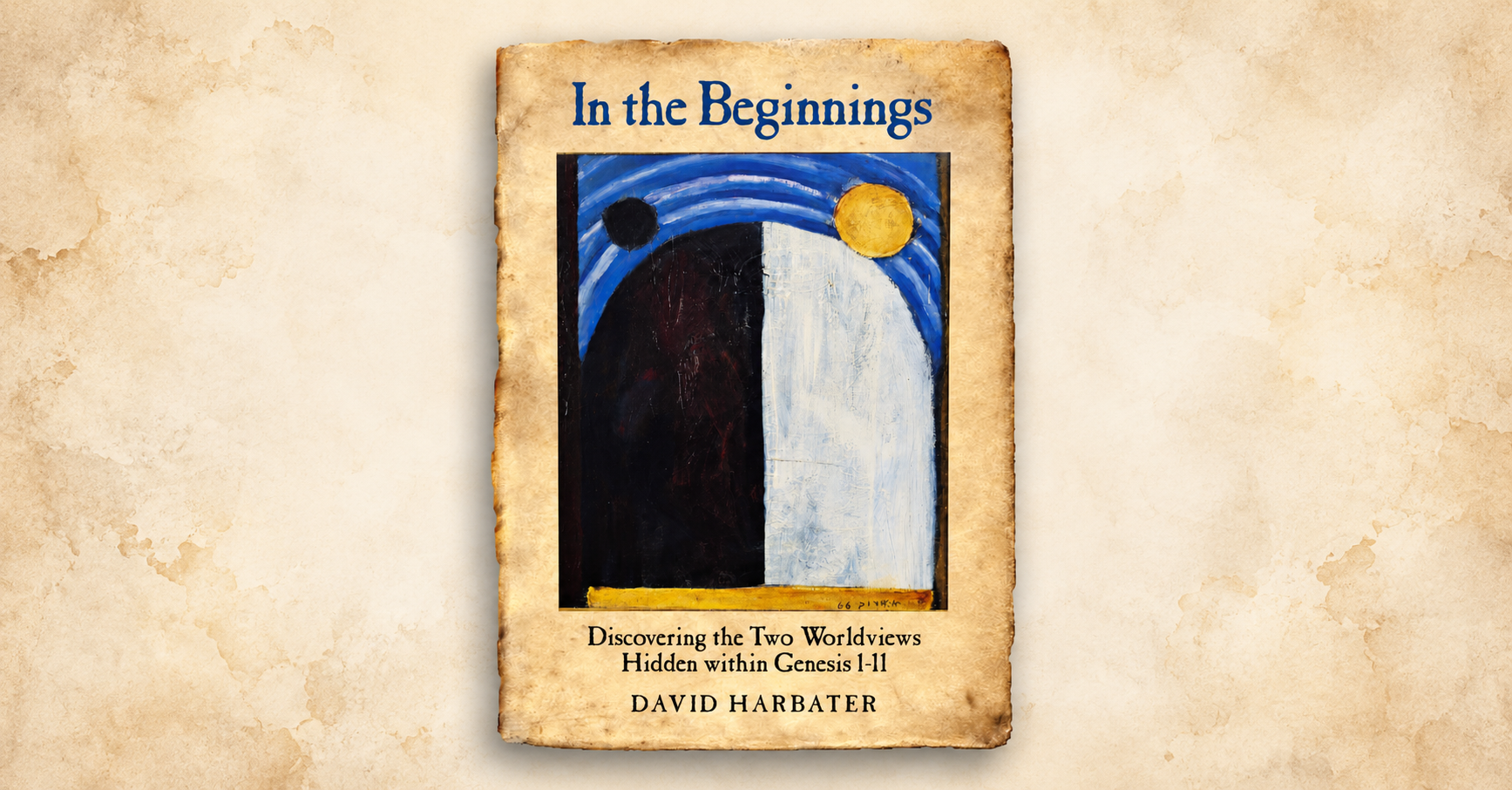
This essay is adapted from the introduction to my book, In the Beginnings: Discovering the Two Worldviews Hidden within Genesis 1-11.
In the Beginnings is available on on Amazon
Related Topics
Related Posts