What Makes a True Hero? Lesson from Yoni Netanyahu
We are all drawn to heroes. Stories of extraordinary courage, leadership, and sacrifice awaken something deep within us – they stir the belief that we, too, can rise above our limitations.
For any Jew who came of age in the late 1970s, one moment stands out as a defining expression of national courage: the daring hostage rescue mission carried out by the IDF on July 4, 1976. In just 90 minutes, Israeli commandos stormed the terminal in Entebbe, killed the terrorists, and rescued the hostages.
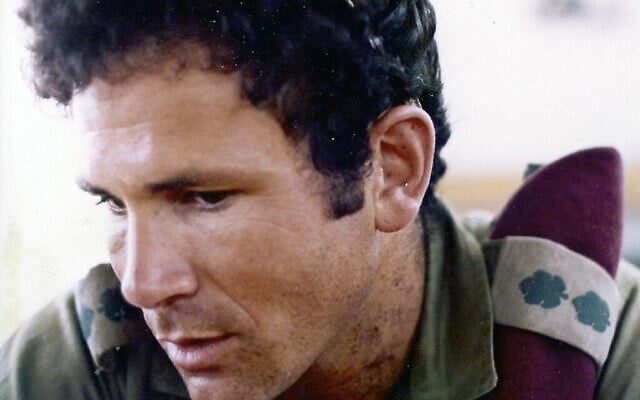
The only Israeli soldier killed was Yonatan (Yoni) Netanyahu, the commander of the mission. His heroic death, coupled with the operation’s astonishing success, transformed both the raid and Yoni into lasting symbols of courage and moral clarity – admired around the world.
I’ve long been fascinated by Yoni. What made him so unique? I read everything I could find, including Yoni’s Letters, a moving collection of personal correspondence, and had the privilege of interviewing his brother, Dr. Iddo Netanyahu. These offered deep insight into Yoni’s inner world—his values, convictions, and quiet intensity.
What became clear was that Yoni’s defining trait was his unwavering courage, especially under fire. His composure in the chaos of combat became legendary. Fellow soldiers often spoke of it with awe.
One recalled the moment during the Entebbe raid when hesitation gripped the team:
“Yoni stood apart from us and kept shouting: ‘Forward! Come on!’ The pause could’ve been disastrous. When he saw the lead men freeze, he surged ahead, shouting and signaling the rest to follow.”
In battle, life and death are separated by mere seconds. Even a flicker of fear can cost lives. Yoni’s instinct was always to advance – clearing the path for others.
But what gives rise to such fearlessness?
One of the core teachings in Chabad Chassidic thought is the concept of Bittul, self-abnegation. It means living with a deep sense of purpose beyond oneself. When ego and personal fear dissolve in the face of something higher, courage emerges naturally. True fearlessness isn’t recklessness – it’s a soul aligned with a greater mission.
The third Lubavitcher Rebbe, Rabbi Menachem Mendel Schneerson, had a distinguished student, Rabbi Shneur Zalman Fradkin of Lublin (1830–1902). His grandson, Yitzhak Sadeh (1890–1952), would become one of the founding commanders of the IDF. The spiritual legacy of his grandfather undoubtedly left its mark. Sadeh once wrote:“Heroism is not only courage in battle – it is the ability to be selfless.”
May Yoni’s fearless leadership – born of selfless dedication to his people and country – be an inspiration to us all!