What Remains After the Title
Seeing my portrait placed on the wall of past presidents and chairpersons made me pause. Leadership roles eventually pass, titles move on, and the urgency of the moment fades. The real question is not what we accomplished while we held the role but why we chose to serve, and whether the institution is stronger because we did.
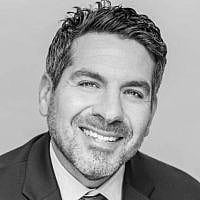
A few weeks ago, my portrait was placed on the wall of past presidents and chairpersons.
It’s a tradition many institutions have. Over time the wall fills with faces of leaders who once carried the responsibility of guiding the organization through their moment.
Standing there, looking at the photographs, I had an unexpected thought.
Not about what had been accomplished.
But about what actually remains.
And before anyone asks, yes, I may post the portrait someday. But for now, you’ll just have to come see it in person.
Because titles eventually move on.
Meetings end.
The urgency fades.
And the longer I looked at that wall, the more one question kept coming to mind:
What is any of this really worth?
Each portrait represents years of work, decisions made, difficult conversations held, late nights spent trying to move an institution forward. At the time, each of those leaders carried enormous responsibility. The challenges felt immediate and the outcomes uncertain.
But time has a way of reshaping perspective.
The titles pass.
The responsibilities shift.
New leaders step forward.
Eventually what once felt urgent, important, and central, becomes part of the institution’s history.
Leadership has a way of tempting us to measure impact through visibility. Like initiatives launched, buildings expanded, programs created. These things matter. Institutions grow through the efforts of those who serve them. And leaders stand on the shoulders of past leaders.
But standing in front of that wall reminded me of something simpler.
Leadership is never really about the title (or the portrait).
It’s about the reason you accepted it.
Jewish tradition has long understood leadership this way. Positions are not ownership. They are responsibility- roles entrusted to individuals for a period of time on behalf of something larger than themselves.
Which brings us back to a question every leader eventually confronts:
What was your why?
Why did you step forward?
Why did you accept the weight of the decisions?
Why did you stay committed when the work became difficult? Many times, taking priority over everything, including family and professional growth.
Those answers rarely appear in institutional histories.
But they shape everything.
They shape how leaders treat staff and volunteers.
They shape how decisions are made when pressure rises.
They shape whether leadership becomes about recognition or about service.
Over time, institutions remember something deeper than titles.
They remember trust.
They remember integrity.
They remember whether leaders cared more about the mission than the role.
That is the legacy that actually endures.
The portraits on the wall are not monuments to individuals. They are reminders that leadership is temporary.
Responsibility passes from one generation to the next.
Each leader inherits an institution shaped by those who came before and eventually hands it forward to those who will follow.
Standing there, looking at that wall, I realized something simple.
The portrait is not the legacy.
The legacy is whether the institution is stronger because you were there.
Titles fade.
Photographs age.
But purpose endures.
And in the end, the only thing a leader truly owns is the reason they chose to serve.
And I’ll admit something that only my closest confidants know…
Fifteen years ago, when I first starting thinking about becoming chairman of the board, the idea started sitting in that exact room, with all those portraits staring back at me and thinking “one day I want my picture on the wall”.
And now I realize that the picture never really mattered.
All that matters is whether the institution is better because you were part of its story.