
Seeking honest leadership, and new narratives.
What the DNC Meeting Reveals about Dems and Israel
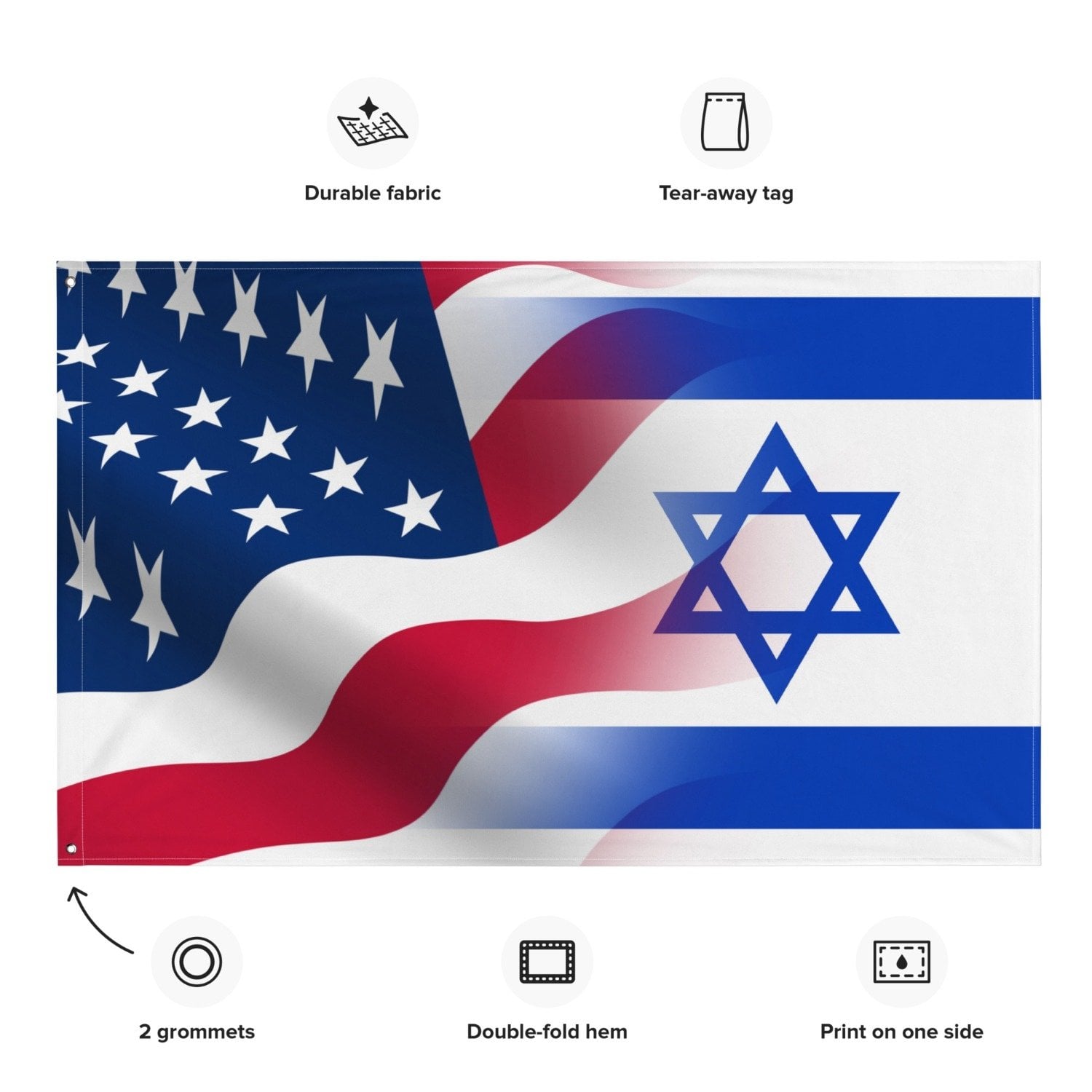
At the recent Democratic National Committee summer meeting in Minneapolis, two starkly different resolutions emerged regarding the Israel–Gaza conflict, exposing deep ideological rifts within the party.
Competing Visions Clash
On one hand, a progressive resolution called for an arms embargo on Israel, suspension of U.S. military aid, and Palestinian statehood. It was quickly rejected by the Resolutions Committee.
On the other hand, DNC Chair Ken Martin presented a more moderate proposal that called for an immediate ceasefire, unrestricted humanitarian aid to Gaza, the release of hostages, and reaffirmed support for a two-state solution. Though the committee initially approved his resolution, Martin surprised attendees by withdrawing it, opting instead for further deliberation via a task force. His move underscored both political caution and internal turbulence.
Leadership Speaks: Key Direct Quotes from Ken Martin
Martin acknowledged the conflict within the party:
“As we’ve seen, there’s divide in our party on this issue,” he said. “I’ve decided today, at this moment, to listen … so we can move forward united today and have the conversation.”
Speaking directly in the Resolutions Committee meeting, he emphasized shared advocacy over consensus:
“This is a moment that calls for shared dialogue. It calls for shared advocacy, and that’s why I’ve decided today … to withdraw my amendment and resolution to allow us to move forward in a conversation on this as a party.”
He framed the task force as a bridge toward unity:
“We need to keep working through this. We have to find a path forward as a party, and we have to stay unified. No one should confuse unity with unanimity.”
What This Signals for the Democratic Party
Symbolism vs. Substance
Though the resolutions are symbolic, their rejection and withdrawal signal a fracture in the party’s once-unified pro-Israel consensus.
Generational Tensions and Base Shifts
Younger and progressive activists rallied behind the more forceful resolution, driving the distancing trend, while mainstream figures appear more hesitant to alienate traditional constituencies.
Leadership Pressured, Not Paralyzed
By retracting his own resolution, Martin seems to be seeking unity through dialogue rather than forging a unilateral path.
Implications for U.S.–Israel Relations
The internal Democratic debate reflects broader shifts in American political and public attitudes toward Israel. As progressive voices gain influence:
- Long-standing bipartisan support for Israel may come under sustained scrutiny.
- Future Democratic platforms might seriously reconsider U.S. aid packages and diplomatic alignment.
- The changing party dynamic may recalibrate how closely American Democrats work with Israeli policy-makers.
Final Thoughts
The DNC summer meeting might have deferred a definitive statement, but the divisions revealed there are unlikely to disappear. For Israel and observers of American politics, the key takeaway is clear: something fundamental is changing about how Democrats approach Israel—and how Israel must engage with American politics in response.
Related Topics