
Whatever Happened to Tweedle Dee and Tweedle Dum?
As an American voting in a two-party system, it is difficult to understand the political voting process of Israel. Tweedle Dee and Tweedle Dum were fictional twins from, “Through the Looking Glass” who had slight differences but were almost the same. That is how the U.S. two party system was described for many years. The two parties are now vastly different and in many ways polar opposites. When I was in school we were taught that presidential candidates run to the middle and are very much the same. Now they run toward opposite ends. Today, candidates often do the opposite, emphasizing positions that energize their political base. Tweedle Dee and Tweedle Dum seem to have retired from American politics.
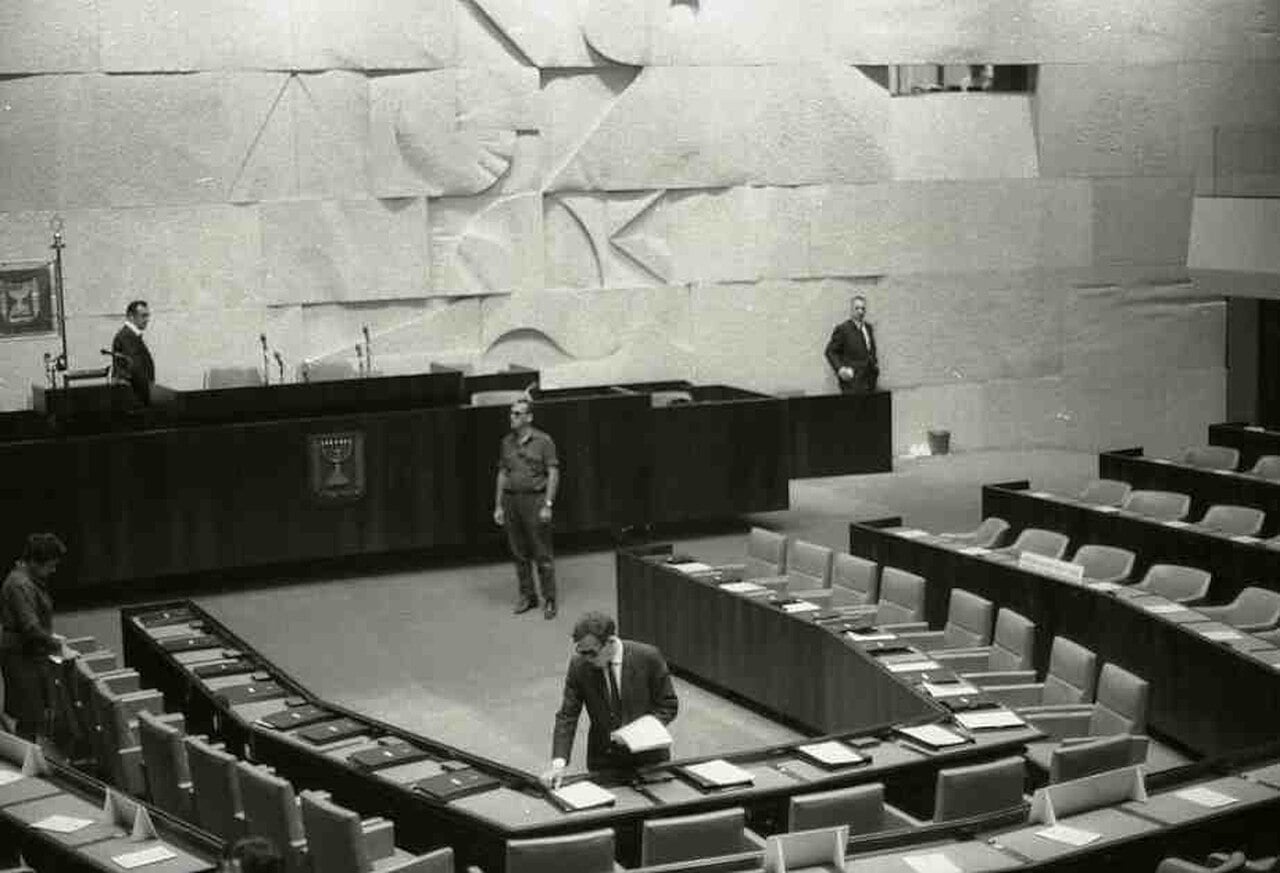
The system in Israel is far more complex with over one hundred parties being represented in the Knesset over Israel’s history with most no longer in existence. Voters choose a party rather than an individual. Each party has a list of candidates placed in order of the party’s choosing. The share of the voting received by each party determines how many representatives are elected to the Knesset from each party, which has a total of 120 members. Each party chooses a method of determining their list of candidates; for example, primaries or those chosen by the party leader. A party that receives a percentage below the required threshold receives no members in parliament.
A prime minister is chosen at least every four years and could be sooner if early elections are called by the Knesset. After the representative election results, the process begins to form a government. Most governments are made up of coalition parties. Sometimes there are unity governments, or a call for new elections by the Knesset. Parties drop in and out of coalitions affecting a possible lack of majority and trigger another election. It is almost a perpetual election season.
After the election results, the ruling coalition needs a sixty-one-seat majority in the Knesset. The President meets with party leaders to try and form a government. The parliament then needs to approve by a simple majority.
Parties also merge and a new party is born with a new name. Most people have heard of Likud, Yesh Atid, and Shas, but there are many parties of yesteryear that are long forgotten like; Mapai (a worker’s party), Gahal (coalition of conservative and liberal parties), and Kadima (a centrist party led by Ariel Sharon, just to name a few. There was even a party, Ale Yarok (green party) that wanted to legalize various vices. They never gained a seat in the Knesset.
This year it is even more complicated with the country at war for so long with a prime minister who has a record number of years in office. An election is slated for this October. A new party has gained popularity Yashar, led by former military leader Gadi Eisenkot. Of course, now than ever security is always an issue in Israel. A general may continue to challenge the current party in power as an election draws closer.
America has many of its own challenges but does not face the unique daily threats of existence that Israel faces, The collection of political parties are usually very distinct in their views and policies and while at the same time attract other parties in a coalition to lead the government. As complex as it is, it absorbs more of the views of the country and requires compromise.
Tweedle Dee and Tweedle Dum may have disappeared from American politics but could never have survived in Israel. In a country where political diversity is the rule, they probably could have never existed in the first place.