
Leadership With Heart
When a Jew is Torn Between Freedom and Family
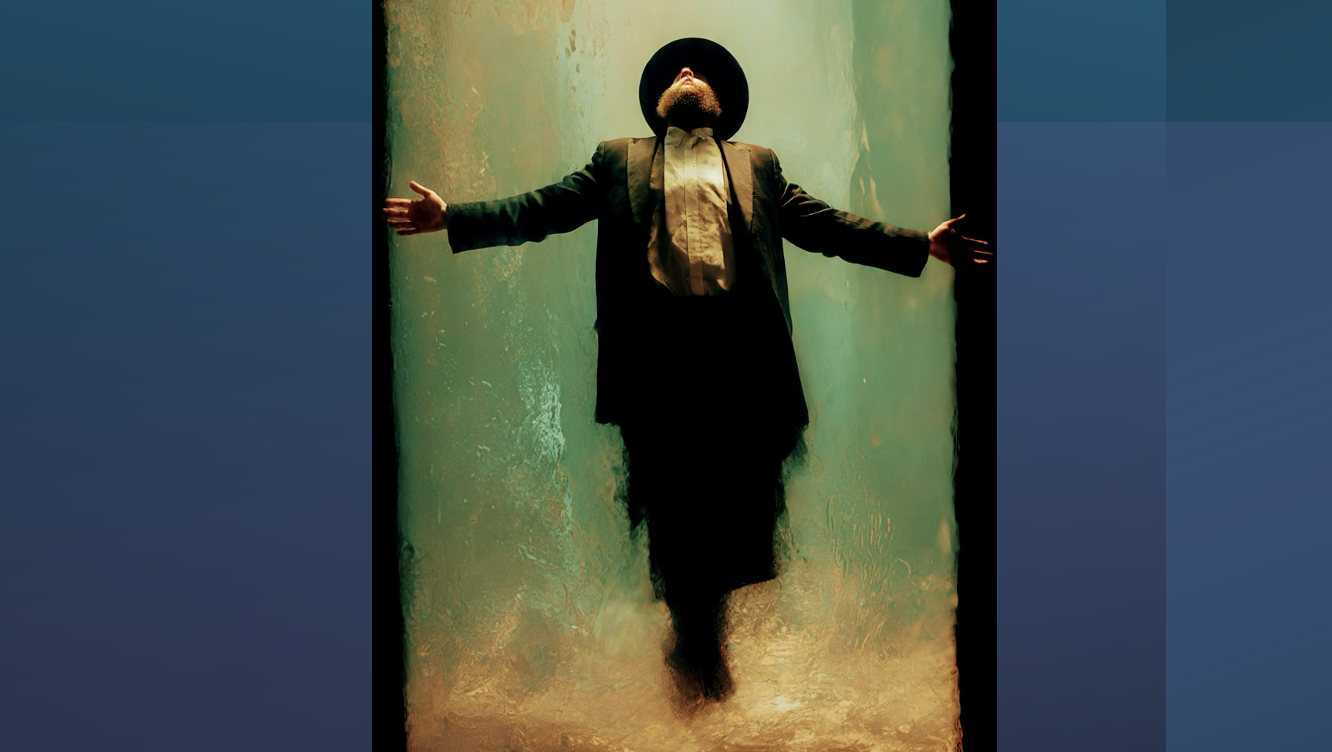
AI generated image via Meta
Recently someone recommended to me this classic Jewish Book Award winner, Shulem Deen’s All Who Go Do Not Return. Indeed, it is a searing, courageous memoir that lays bare the suffocating control of the Skverer Hasidic community—and the immense emotional toll of breaking free. Within this cloistered world, life was governed by an intricate system of prohibitions and obligations: Yiddish was the accepted language, life revolved around hours of prayer and yeshiva study, marriages were arranged without intimacy or choice, and birth control was forbidden. Secular influences—books, music, television, the internet, and even curiosity—were condemned as threats to the soul. At the center stood the Rebbe, revered with near-divine devotion, while dissent of any kind was swiftly crushed.
While not everyone in this community was unhappy, some people just could not live like this. Deen’s rebellion began quietly—with curiosity, questions, and the faint stirrings of doubt. But the more he observed, the more he saw the cruelty behind the piety. Children were beaten for the smallest missteps, adults ostracized for nonconformity, and families terrorized through public shaming and vandalism. The system’s obsession with purity demanded total submission, leaving no space for individuality or truth.
When Deen’s skepticism could no longer be contained, he was excommunicated—cast out as a heretic. The price of freedom was devastating. He lost his faith, his wife, his five children, and the only world he had ever known. What followed was a journey through loneliness, depression, and despair. Disconnected from his past and unsure of his future, he drifted through jobs, cities, and identities, even seeking refuge at a hippie retreat in a desperate search for meaning.
Yet in the ashes of exile, Deen found something sacred: the freedom to think, to feel, and to be. He embraced the secular world, formed genuine friendships, and discovered his voice as a writer. The liberation was real—but so was the grief. No measure of autonomy could fully compensate for the loss of family, faith, and belonging.
And this, perhaps, is the cruelest part of Deen’s story: the impossible choice it demands. How can anyone be asked to surrender their own flesh and blood—their spouse, their children, their very community—simply to claim the most basic human right to think freely, to express oneself genuinely, and to live with honesty and integrity? It is a demand no one should ever have to face, yet countless men and women in insular religious communities do so every day, torn between truth and survival, conscience and connection.
Deen’s struggle resonates deeply with me. I, too, have wrestled with the tension between religious devotion and the modern, secular world. After leaving a suffocating yeshiva high school following my junior year to attend college early, I experienced a profound sense of discovery. I found my Jewishness anew—not in isolation, but in the broader world. I never took off my kippah, even when my path diverged from strict orthodoxy. Though I strayed for a time, I eventually returned to faith on my own terms—through choice, love, and a genuine yearning for closeness to Hashem, rather than the demands of conformity. To me, serving God out of love and desire is far purer and far more enduring than obedience born of fear or routine.
Ultimately, the struggle Deen describes is not his alone—it is a struggle that every one of us faces in some form. Even if not externally, we each grapple internally with this same tension: how to be true to ourselves, to follow the voice of conscience and reason, while remaining faithful to the Torah and to Hashem. Finding that balance—between freedom and faith, individuality and devotion—is the sacred work of a lifetime.
In the end, All Who Go Do Not Return is both lament and liberation—a testament to the soul’s hunger for authenticity and connection. It reminds us that freedom, while precious, can exact a terrible price. The challenge is not merely to escape constraint, but to find holiness within freedom—to walk with God not because we must, but because we yearn to. Deen’s story forces us to ask the hardest question of all: what does it truly mean to be free—and how can we ensure that our freedom deepens, rather than diminishes, our faith?
Related Topics