When Democracies Look Away
Why Is the World Looking Away from Iran?
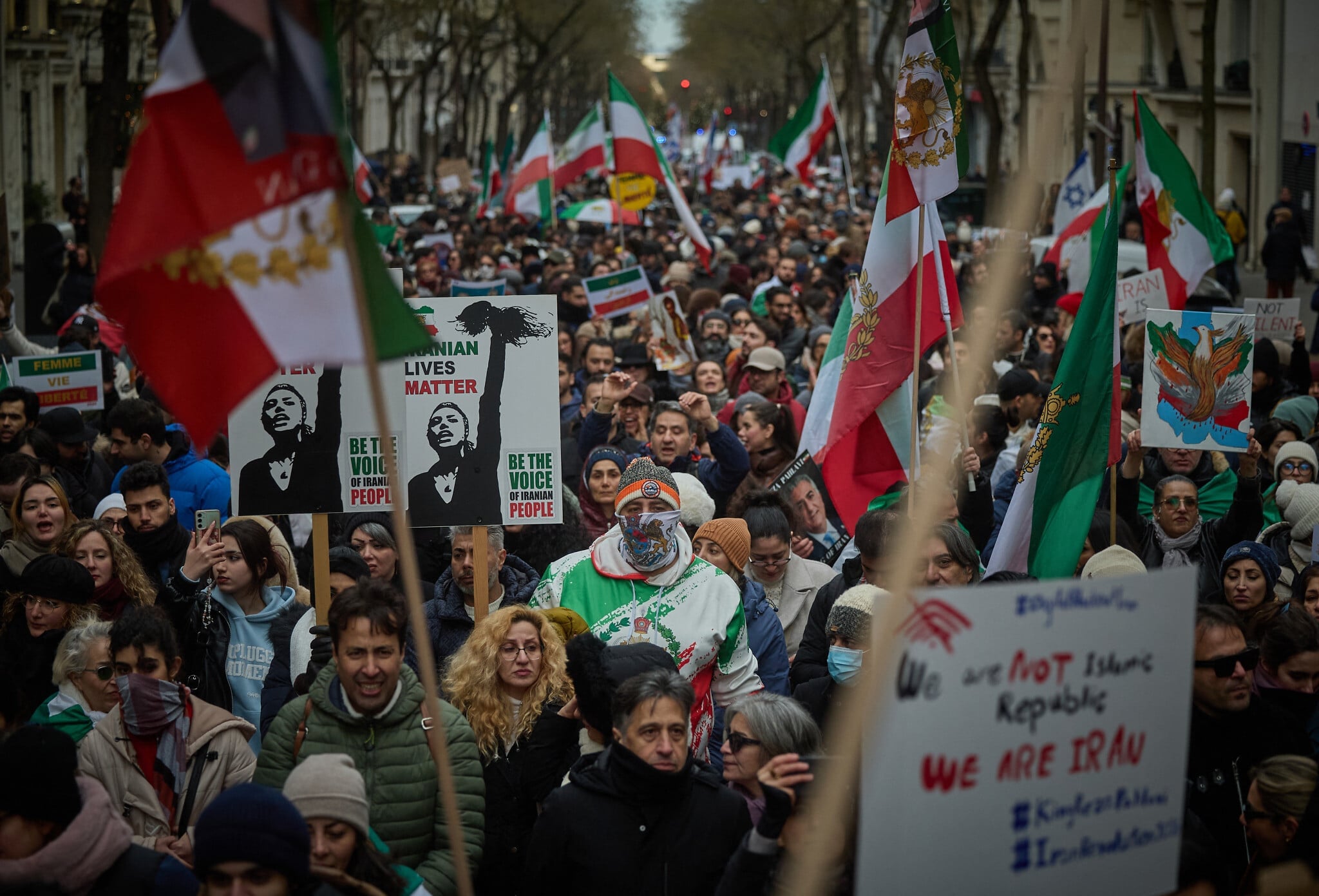
Since the start of 2026, Iran has been rocked by protests that are neither small nor fleeting. They are the desperate cry of a society crushed under the weight of hyperinflation, brutal repression, isolation, and the suffocating sense that nothing will ever change. The regime’s response? The usual playbook: mass arrests, live fire, the Revolutionary Guards’ shadowy crackdowns, and a relentless effort to smother the truth.
But here’s the question that haunts anyone watching from outside:
Not silent, exactly—there have been statements, carefully worded condemnations, and the occasional press release. But where is the outrage? Where are the leaders standing up to say, Enough? When the principles we claim to hold dear—human rights, free assembly, the protection of civilians—are being trampled in broad daylight, why do our voices falter?
This isn’t ignorance. It’s calculation. A cold, deliberate choice to look away.
Tehran has learned from past uprisings. The internet is throttled, journalists barred, and social media choked off. Without images, without real-time testimony, the world’s attention drifts. We know this: outrage fades when the cameras are turned off. And in a news cycle dominated by the loudest crises, Iran’s suffering risks becoming just another footnote.
Then there’s the dread of being used. The regime has always painted dissent as a foreign conspiracy—so any strong Western condemnation can be twisted into “proof” of outside meddling. The result? A paralyzing caution. Leaders tiptoe around the issue, afraid that speaking too loudly will only make things worse. But in their hesitation, they end up saying nothing at all.
Iran isn’t just a human rights issue—it’s a geopolitical puzzle. Nuclear tensions, regional stability, and oil prices: all of it looms over every decision. The fear? The fear is that exerting excessive force could have unintended consequences, leading to further repression or, worse, a reckless escalation. So stability, however ugly, becomes the priority. “Risk management” takes precedence over principles.
And let’s be honest: economics plays its part. No government wants to trigger an oil shock or market panic. With inflation already biting, the last thing leaders want is another crisis on their hands. Therefore, the question arises: to what extent can we express our opinions without upsetting anyone?
Democracies don’t speak with one voice. Europe can’t agree, the U.S. has its own priorities, and everyone is distracted by their own elections, their own scandals. The result? There are weak statements, half-measures, and a sense that no one is truly willing to act.
Inside Iran, this restraint is heard loud and clear: You are alone. It tells the regime that its survival, no matter how bloody, is still preferable to the chaos of change. And it tells the world that our values are flexible—defended fiercely in some places, whispered in others.
The real danger isn’t just for Iran. It’s the message we send everywhere: that . Fear of instability. Fear of cost. Fear of losing control.