When Jewish Memory Moves From History to the Present
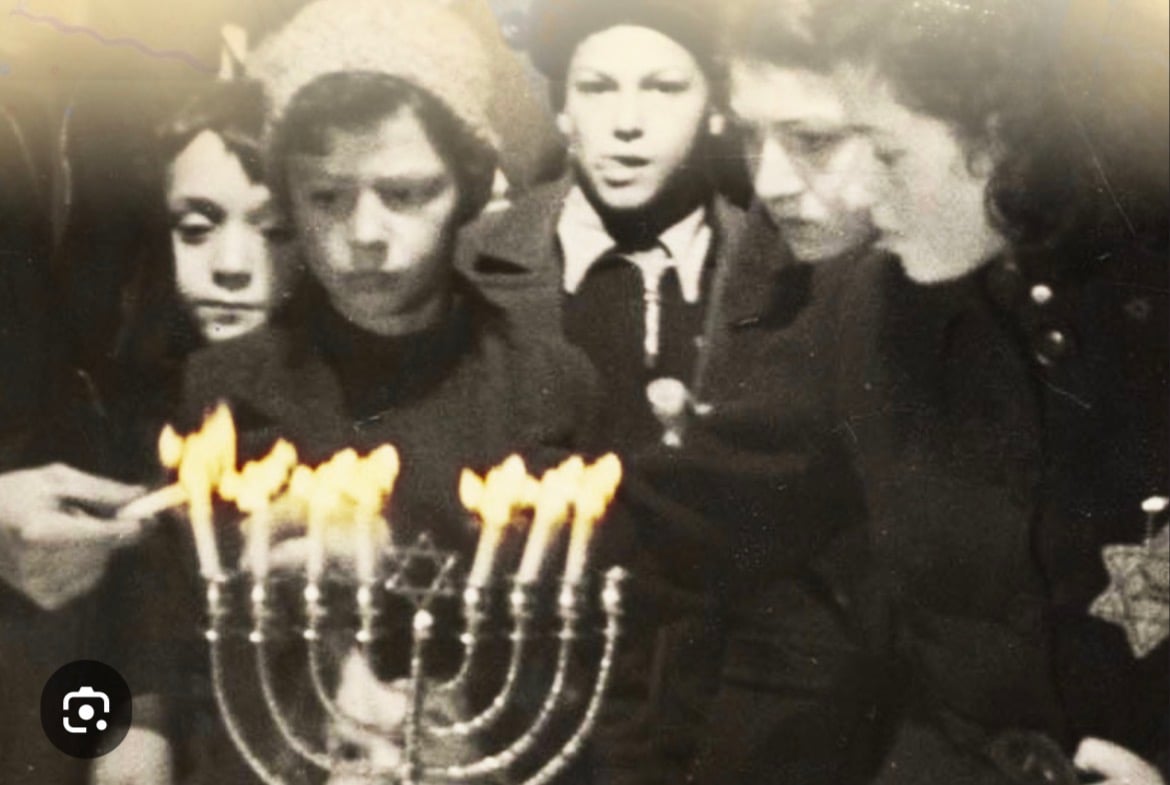
There are moments when Jewish parents sit at the Shabbat table and realize that history has stopped being something they explain — and has become something they must prepare their children to live inside.
The Chanukah massacre at Bondi Beach was one of those moments.
Not because antisemitism suddenly returned, and not because warning signs were unclear, but because an old truth reasserted itself in a way that can no longer be softened: Jews are once again being targeted as Jews, and the line between memory and the present has thinned to almost nothing.
That is when stories change. They stop being lessons about the past and become instructions for survival. Many of us grew up hearing difficult stories at the Shabbat table.
We were told about a time when Jews were taken away and held in terrible places. During the Holocaust, Jews were told they were no longer allowed to be Jewish. If they prayed, kept Shabbat, or even spoke Jewish words, they could be punished or killed. And yet, many Jews did not stop being Jewish in their hearts.
Some whispered prayers so quietly that only God could hear. Some shared crumbs of bread and pretended it was Shabbat challah. Some risked their lives simply to remember who they were.
Those stories were not told to frighten us. They were told to teach us something precise: identity survives pressure. Faith survives terror. Memory survives violence.
Now comes the part no parent wants to say out loud. Something like this is happening again. Not in the same way. Not in the same places. But in a way that is horribly familiar.
Some of the Israeli hostages taken on October 7 were held in captivity by people who openly hate Jews. Had their captors discovered that they were practicing Judaism — praying, saying blessings, keeping mitzvot — they could have been killed.
And still, even with the risks, they found a way.
One hostage, Segev Kalfon, tore apart a robe and painstakingly sewed together kippahs — for himself and for other Israelis held with him — so that Jews in captivity could cover their heads and remember who they were.
Describing the act later, Kalfon explained:
“I sewed kippahs from a galabiya they once gave us. I tore it apart and stitched kippahs, embroidering each person’s name. I made a hole in my clothing and told them I needed to fix it. For me, it was both an occupation and a way to preserve our identity.”—Segev Kalfon via Arutz Sheva
Pause on that. This was not an act of defiance for show. It was not symbolic performance. It was courage and continuity. He did not do it because it was safe. He did not do it because it was easy. He did it because identity matters — because being Jewish matters — even when it is dangerous.
These are not stories from a history book. They are not “a long time ago.” They are now.
And just as our grandparents once told us about courage in the darkest times, these are the stories we will tell our children and grandchildren.
Not to terrify them. But to teach them something essential.
You can take away a person’s freedom. You can threaten them into silence. But you cannot take away their identity or faith.
This is what it means to be Jewish.
That is why we light candles — especially when the darkness feels close. That is why we tell stories — especially when they are difficult. That is why we remember. And that is why, this Shabbat and Chanukah, we will tell this story — together — at the table.
Shabbat Shalom, and may this Chanukah bring light, steadiness, and meaning to you and your family.