
Why the language of the October 7 inquiry matters
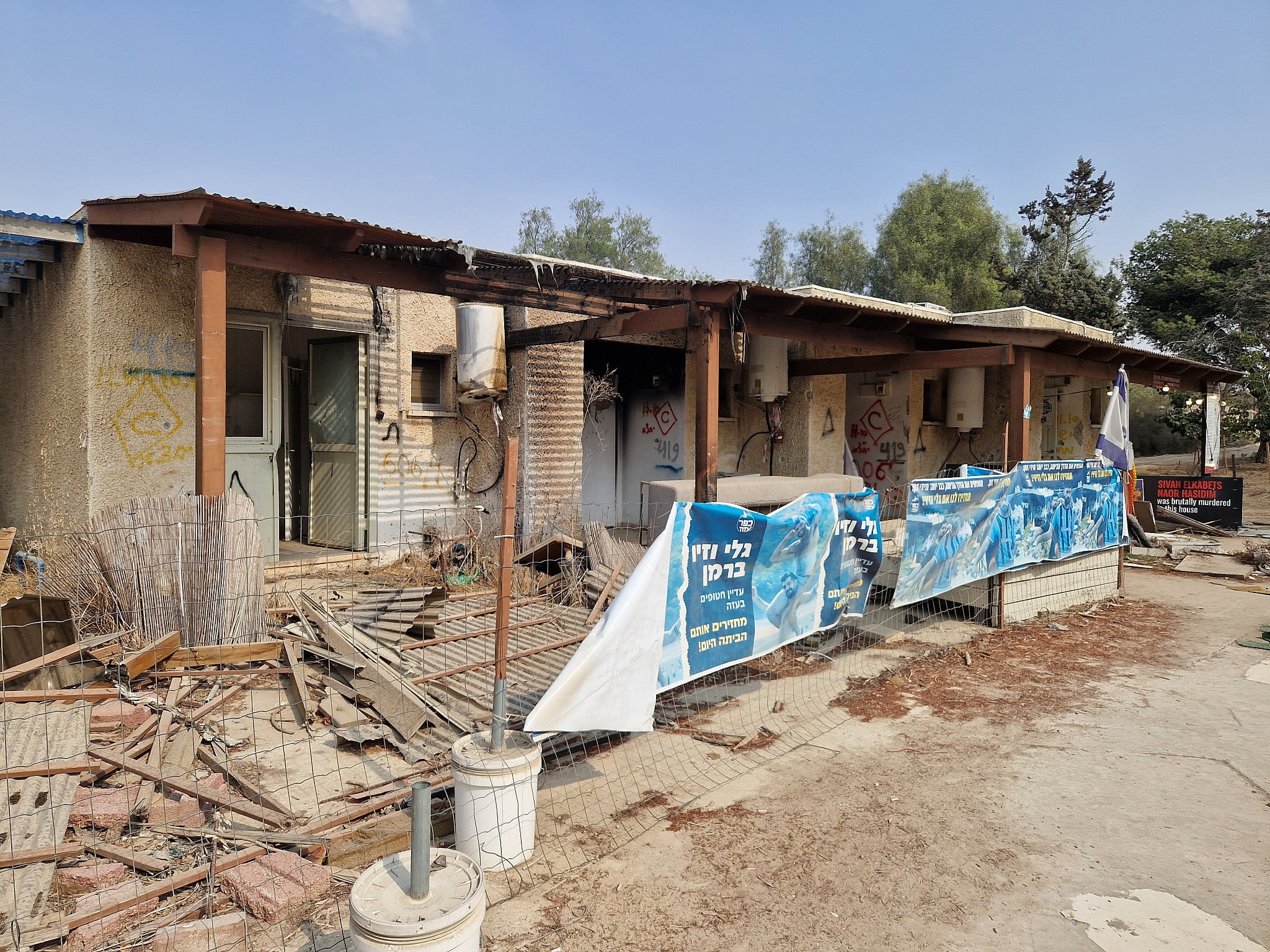
In recent weeks, as calls grow louder for a formal investigation into the failures surrounding October 7, I’ve found myself uneasy — not with the idea of an inquiry, but with the language increasingly used to frame it.
In particular, I bridle at the phrase: “How was a catastrophe of this scale allowed to happen?”
At first glance, it sounds reasonable. Responsible, even. But the more I sit with it, the more it troubles me.
“Allowed” is not a neutral word.
It carries assumptions — of foreknowledge, of capacity to prevent, and of a conscious decision not to act. It suggests something closer to acquiescence than failure. And that distinction matters, especially when we are talking about the mass murder of civilians.
Israel should investigate October 7. Thoroughly. Unsparingly. We have always done so, even when the answers were painful and careers were ended. Accountability is a democratic strength, not a concession.
But investigations are meant to discover responsibility, not smuggle it in through phrasing before evidence is examined.
I worry that when we say Israel “let this happen,” we are no longer asking questions. We are delivering a verdict.
History offers some perspective here.
After Pearl Harbor, the United States conducted multiple investigations. They identified intelligence failures, missed signals, and dangerous assumptions. But no serious inquiry framed the attack as something America “allowed” to happen. The language reflected failure under deception, not permission.
The same was true after September 11. The 9/11 Commission laid bare bureaucratic silos and intelligence blind spots in excruciating detail. Yet even in the most bitter political climate, the attacks were not described as something the US government had “let” occur.
Words mattered then. They matter now.
Hamas spent years cultivating an image of deterrence and restraint while planning a massacre designed to inflict maximum civilian suffering. That deception succeeded in catastrophic ways. Recognizing that does not absolve Israeli institutions of failure — but it does affect how we talk about intent, negligence, and moral responsibility.
When language collapses failure into acquiescence, it subtly shifts the narrative away from Hamas’s agency and toward Israeli culpability. That shift may be unintentional, but it is consequential — especially in a world eager to dilute responsibility for October 7.
Precision is not denial. It is not an attempt to escape accountability. Quite the opposite. Precision is how accountability remains credible.
Israel owes its citizens honest answers about what went wrong — in intelligence, in command, in doctrine, in assumptions. It does not owe anyone a confession embedded in a turn of phrase.
As we begin the hard work of national self-examination, I hope we choose our words with care. History will judge not only the conclusions we reach, but whether we arrived at them through inquiry — or presumption.