When the clapping drowned the conscience
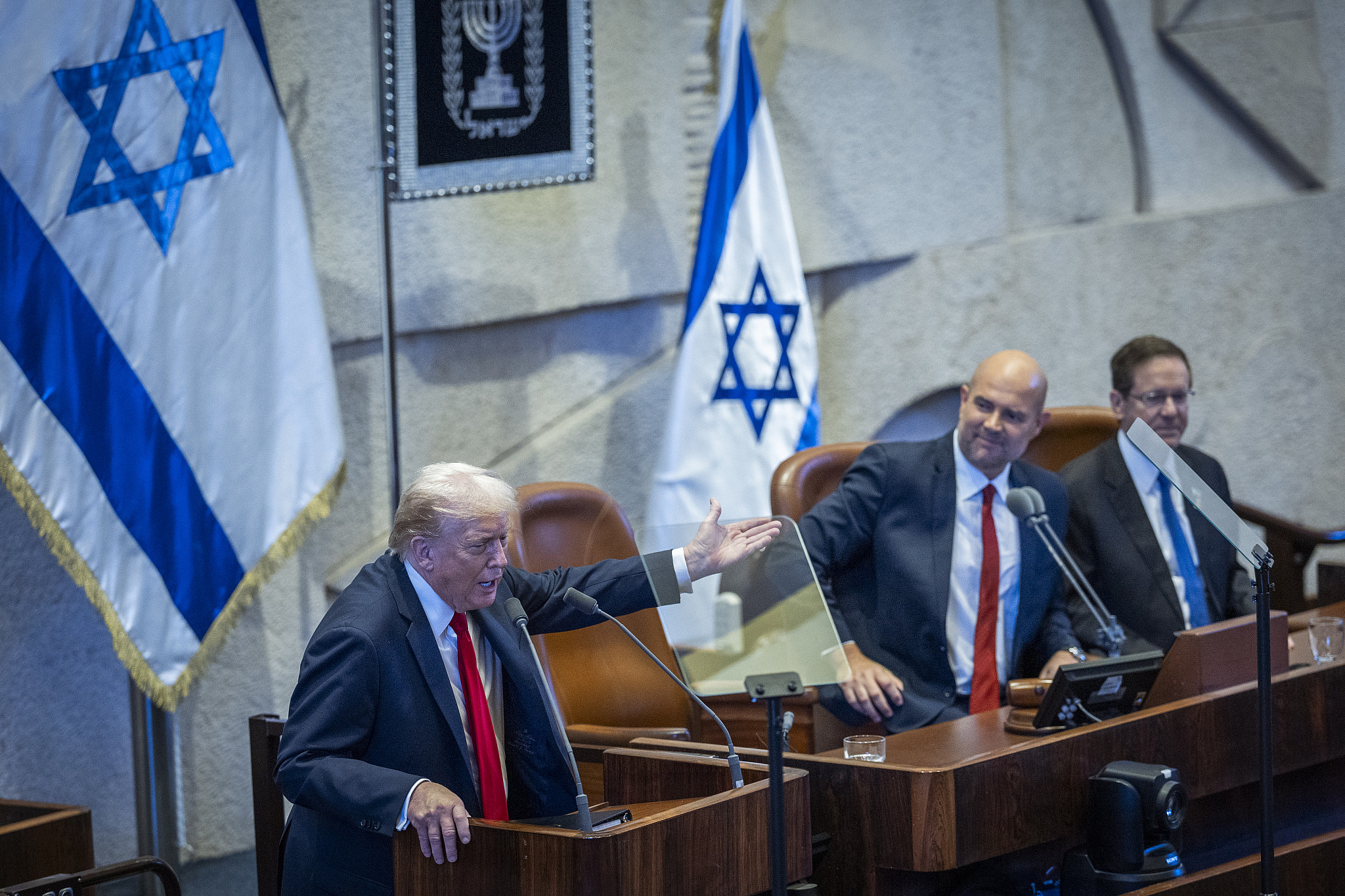
On October 13, 2025, the Knesset held a special ceremony in honor of Donald Trump, an event convened to mark the release of the hostages from Gaza, achieved under intense international pressure and hailed the government as a moment of deliverance. It was meant to convey gratitude and national pride, but it unfolded as a troubling display of excess and submission.
The applause began long before the speeches did, swelling like a rehearsed tide of obedience. When Trump entered the chamber, the hall erupted, not in spontaneous welcome, but in orchestrated adoration. The clapping was endless, mechanical, and carefully timed. It was less the sound of respect than a ritual of allegiance, a gesture emptied of meaning yet heavy with calculation.
Speaker Amir Ohana opened with an extended, almost devotional address, praising Trump as a historic friend of Israel. Then Netanyahu, with his familiar theatrical mastery, turned the event into a narrative of personal vindication. He spoke at length, weaving Trump’s name into every triumph – the embassy move, the Golan recognition, the Abraham Accords, and now the hostages’ release, as though reading from a liturgy of deliverance. Each phrase drew another wave of applause, loud, synchronized, and hollow, until the line between democratic ceremony and political rally vanished entirely.
Yet the loudest message came from those not present. The deliberate exclusion of Supreme Court President Yitzhak Amit and Attorney General Gali Baharav-Miara was a black stain on the occasion — an unmistakable affront to Israel’s legal and constitutional institutions. In any democracy, to omit the heads of the judiciary and law enforcement from such a state ceremony is not a mere oversight; it is a statement. It signaled that loyalty to the prime minister mattered more than respect for the rule of law. The image of their empty chairs, though unseen, lingered over the chamber like a silent indictment.
Then came the moment that stripped away all remaining pretense. Midway through his speech, Trump turned toward President Herzog and, with characteristic brazenness, urged him to pardon Netanyahu. “Why don’t you give Bibi a pardon?” he said, brushing aside the ongoing corruption charges — the cigars, the champagne, the gifts — with a smirk: “Who cares about cigars and champagne?” The remark, made in the very heart of Israel’s legislature, was an unprecedented act of interference in another nation’s judicial process. Yet instead of discomfort, it provoked thunderous applause. The lawmakers clapped. The president sat, visibly uneasy, as the hall echoed with approval for a suggestion that should have chilled the conscience of any democrat.
That moment revealed the true nature of the event. It was not gratitude; it was submission — a performance of dependence dressed as honor. The uninvited figures of Justice Amit and Attorney General became symbols of what was missing: independence, restraint, and moral courage.
In the end, the ceremony told us less about Trump than about ourselves. A state once proud of its institutions now confuses applause with integrity and spectacle with sovereignty. When the clapping hands drown the conscience, democracy does not end in silence — it perishes to the sound of its own ovation.