
When the Uniform Loses Its Authority
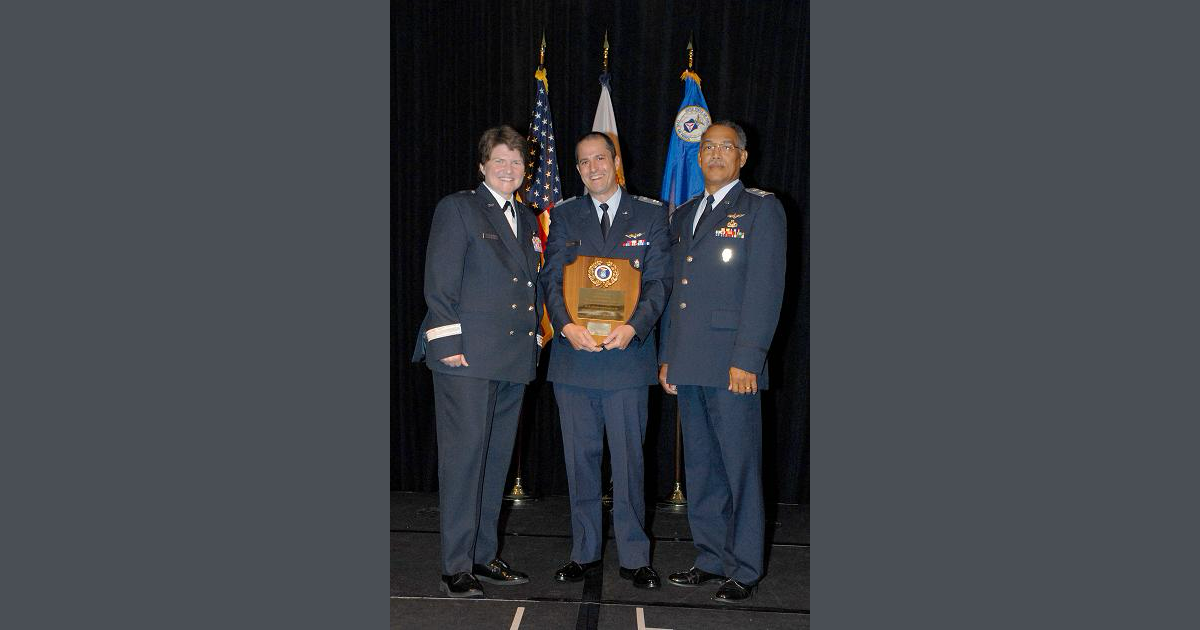
For more than 20 years, I wore the uniform of my country.
I trained young people to fly—some of whom later commanded combat squadrons and served at the highest operational levels. I trained many others in advanced incident command, where discipline, restraint, and responsibility for human life are not ideas, but habits learned under pressure.
From that experience, one truth became clear: a military’s strength does not come from fear or exclusion, but from trust—between commanders and those they lead, and between the uniform and the society that grants it legitimacy.
Israel understands this instinctively. A citizen-army cannot be sustained by coercion alone. A reserve force cannot function if excellence is defined by politics rather than performance. When standards shift from competence and character to ideological loyalty, the institution weakens—even if its weapons remain sharp.
That is why the recent words of Colonel Bree Fram of the U.S. Space Force matter far beyond America. Her service record, and those of many like her, expose a simple military reality: performance answers questions that prejudice never can. Those who have served beside competent officers do not forget it—no matter what policies later attempt to erase.
I have chosen not to wear my uniform again until it once more represents an institution worthy of the oath it demands. This was not an easy decision, nor a symbolic one. In a democracy, refusing to serve is never taken lightly. But neither is serving an institution that no longer honors the principles it exists to defend.
Israel has faced similar moments in its own history. The tension between political authority and moral authority is not new. The question has always been the same: does the uniform unite the nation, or does it become an instrument of division?
Military power alone does not secure a state. Legitimacy does. Cohesion does. The shared belief that service is honorable because it is grounded in fairness, restraint, and equal obligation.
Uniforms carry authority only when they reflect the best of the society they defend. When that authority is compromised, silence is not neutrality—it is surrender.
History remembers those who served faithfully. It also remembers those who refused to allow service itself to be hollowed out.