
When we were cousins
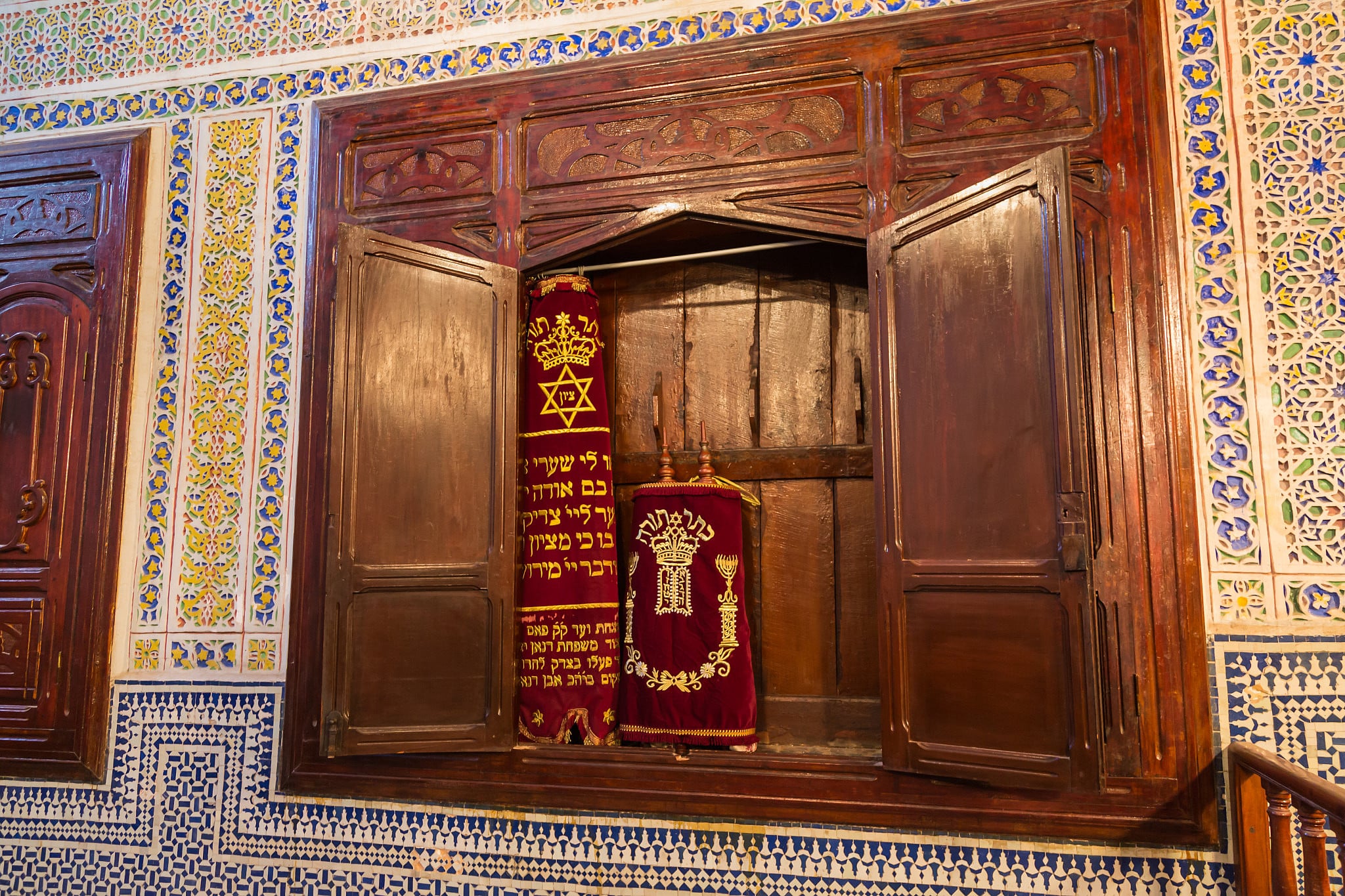
I come from a family that crossed borders before passports were needed and lost homes before we ever fully understood what exile would cost. We lived for centuries in Corfu as part of the Apulian Jewish community. During the rise of fascism and Nazism in Europe, and growing anti-Jewish sentiments in Corfu, we found shelter in the new State of Egypt—an Egypt that, for a brief time during the early monarchy, held out the promise of freedom and coexistence.
My grandfather, a fabric merchant, spoke Italian, Greek, French, Arabic, and Ladino. He was a man of diplomacy, a bridge-builder by trade and temperament. For a Corfiote Jewish family, emigrating to Egypt meant not just seeking safety, but joining one of the oldest Jewish communities in the world—a community that had lived there since the destruction of the Second Temple and the exile to Egypt.
My father was born in Alexandria in 1941, and for a time, Jews, Muslims, and Christians shared streets, meals, and hopes. But Nazi propaganda was present in Egypt as well, and anti-Jewish sentiments increased, particularly through the influence of pro-Axis factions like the Muslim Brotherhood and other ethnic-nationalist groups. When Arab nationalism gained force and power shifted, that Arab–Jewish coexistence began to unravel.
In 1957, at just 16, my father and his family were forced to leave as rising mob violence made it clear that staying was no longer safe. At the same time, Nasser’s pan-Arabist regime was politically persecuting Jews—through arrests, property confiscations, and a growing campaign of intimidation that left no future for them in Egypt. Pan-Arabism—while rooted in anti-colonial struggle and built on Arab pride and solidarity—was also deeply intolerant of non-Arab ethnic groups seeking national independence within former Turkish Ottoman lands. Jews, especially—because they succeeded in creating a state—were seen as the ultimate disruption of the Arab ethnic conformity so prized by pan-Arabist ideology. The newborn State of Israel was framed as a Western implant rather than the fulfillment of Semitic Jewish national identity. And so, Jews were targeted. What followed was not just discrimination, but ethnic cleansing. My family, along with the rest of Egypt’s Jewish community, became refugees once again.
Still, I carry gratitude for the Egypt of that time. Because before it cast us out, it gave us life. All the Jews who stayed in Corfu were deported and murdered in Auschwitz. Egypt gave us safety during the war. It gave us time—sheltering us from the Italian fascists and the German Nazis.
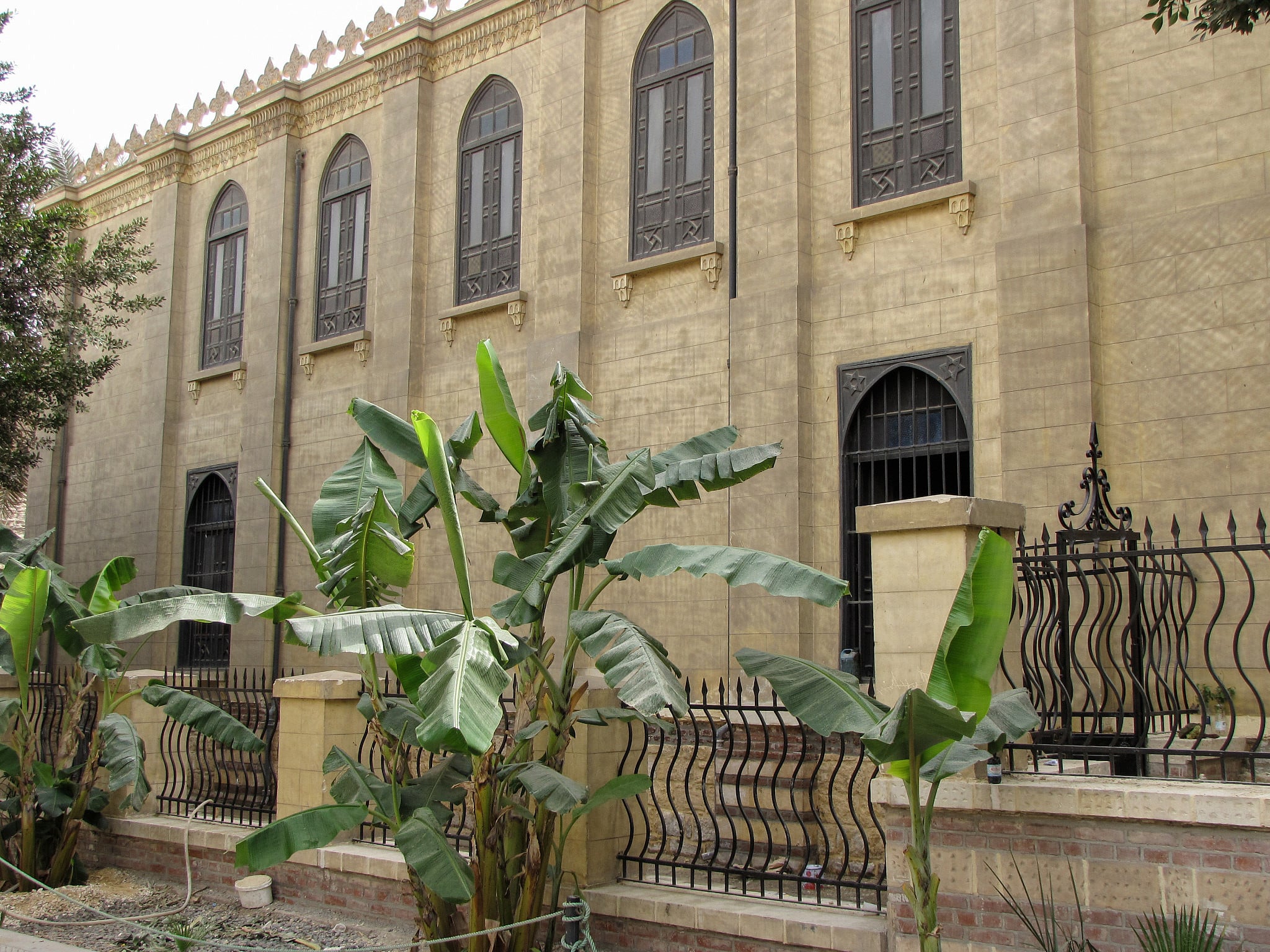
That’s why I’m drawn to the stories we don’t tell enough: the stories of when Arabs saved Jews, and Jews saved Arabs. We remember the betrayals—and we must. But if we only remember those, we amputate history. We lose the full shape of who we were—and who we might still be.
During World War II, King Mohammed V of Morocco famously refused to hand over Moroccan Jews to the Vichy regime, reportedly saying, “There are no Jews in Morocco. Only Moroccans.” In Tunisia, Arab neighbors hid Jewish families from fascist persecution. In Egypt itself, not long before my grandfather arrived, Muslims and Christian Copts had marched together for independence, chanting the same slogans in the same streets. And far from the Arab world, an Egyptian doctor named Mohamed Helmy, living in Nazi Germany, risked his life to hide Jews from the Gestapo. He was later recognized by Yad Vashem as the first Arab Righteous Among the Nations.
And on the other side—Jews saved Arabs too. In Turkish Ottoman and British Mandate Palestine, Jewish doctors treated Arab patients across tense and shifting lines. During the Syrian civil war, Israeli hospitals quietly treated wounded Syrians, often at great political risk. In our deepest darkness, individuals still reached across divides—not guided by politics, but by conscience.
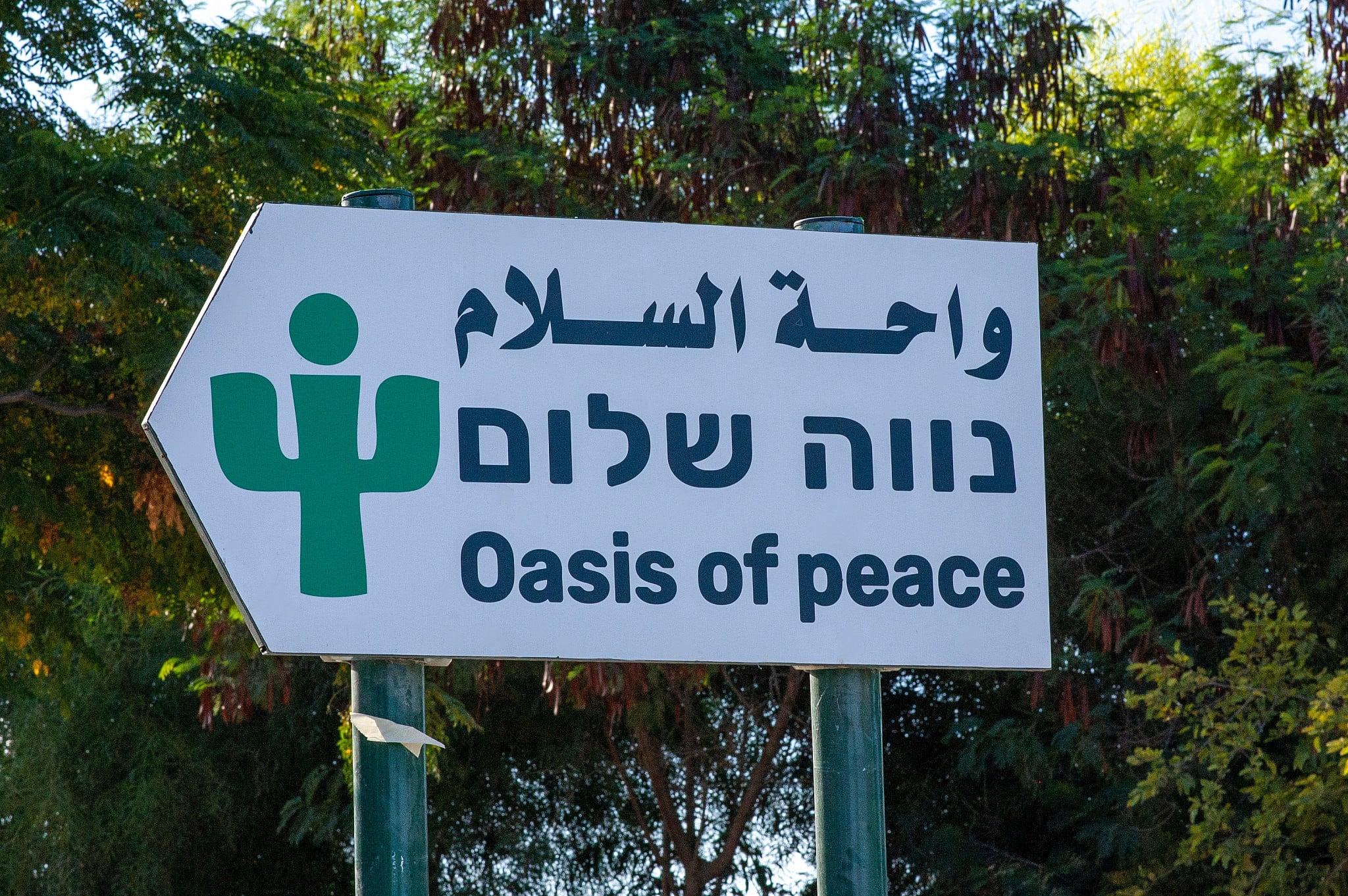
And there’s more: in the decades since 1967, thousands of Israelis have worked alongside Palestinians to build schools, hospitals, businesses, and cultural projects. Side by side, they created spaces of mutual benefit and shared dignity—not always visible, rarely headline-worthy, but profoundly real. These partnerships are quiet acts of resistance against the forces of separation. They remind us that coexistence is not just an ideal—it’s a lived, daily practice. Fragile, but never meaningless.
I grew up in Italy surrounded by the legacy of these stories—even when they weren’t spoken aloud. My Moroccan Jewish grandmother’s family left no trace behind. Just the taste of cumin, olives, prunes, and preserved lemons during holidays. And a family name that screams how close Arabs and Jews once were: Zayeg. At school in Milan, my Jewish friends were the children of those who fled Afghanistan, Libya, Lebanon, Iraq, Syria, and beyond. Jews suffered ethnic cleansing across the modern Arab world. But no one spoke of revenge. They spoke of food, of music, of Jerusalem. Of survival.
These stories—when Arabs saved Jews, and Jews saved Arabs—are not historical footnotes. They are gems of humanity, fragile and luminous, buried beneath louder tales of conflict. We must not lose them to anger, to pain, to fear, or to the grooves of inherited hate. Because if we forget them, we forget our capacity to choose something better—for ourselves and for our children.
Even now, amid one of the darkest chapters in recent memory, many people are still choosing humanity. In Israel, before October 7th, hundreds of thousands of citizens took to the streets to protest Prime Minister Netanyahu’s assault on the judiciary—warning that he was steering the country toward authoritarianism. I was in Tel Aviv in April 2023, just a tourist passing through. But what I saw stayed with me. There was no division between religious and secular—just people united by alarm over rising ultra-nationalism. Deeply aware, as Jewish history demands, of the dangers such ideologies pose—even when they come from within.
Then came October 7th, 2023.
More than 1,200 people were murdered in cold blood by Hamas in a brutal, coordinated attack on Israeli communities near the Gaza border. Families were slaughtered in their homes. Civilians—including babies, children, Holocaust survivors, and foreign workers—were burned, tortured, executed. Over 250 hostages, including infants and the elderly, were taken into Gaza. It was the deadliest day for Jews since the Holocaust—and the beginning of a sequence of horrific events that has since claimed tens of thousands of lives in Gaza.
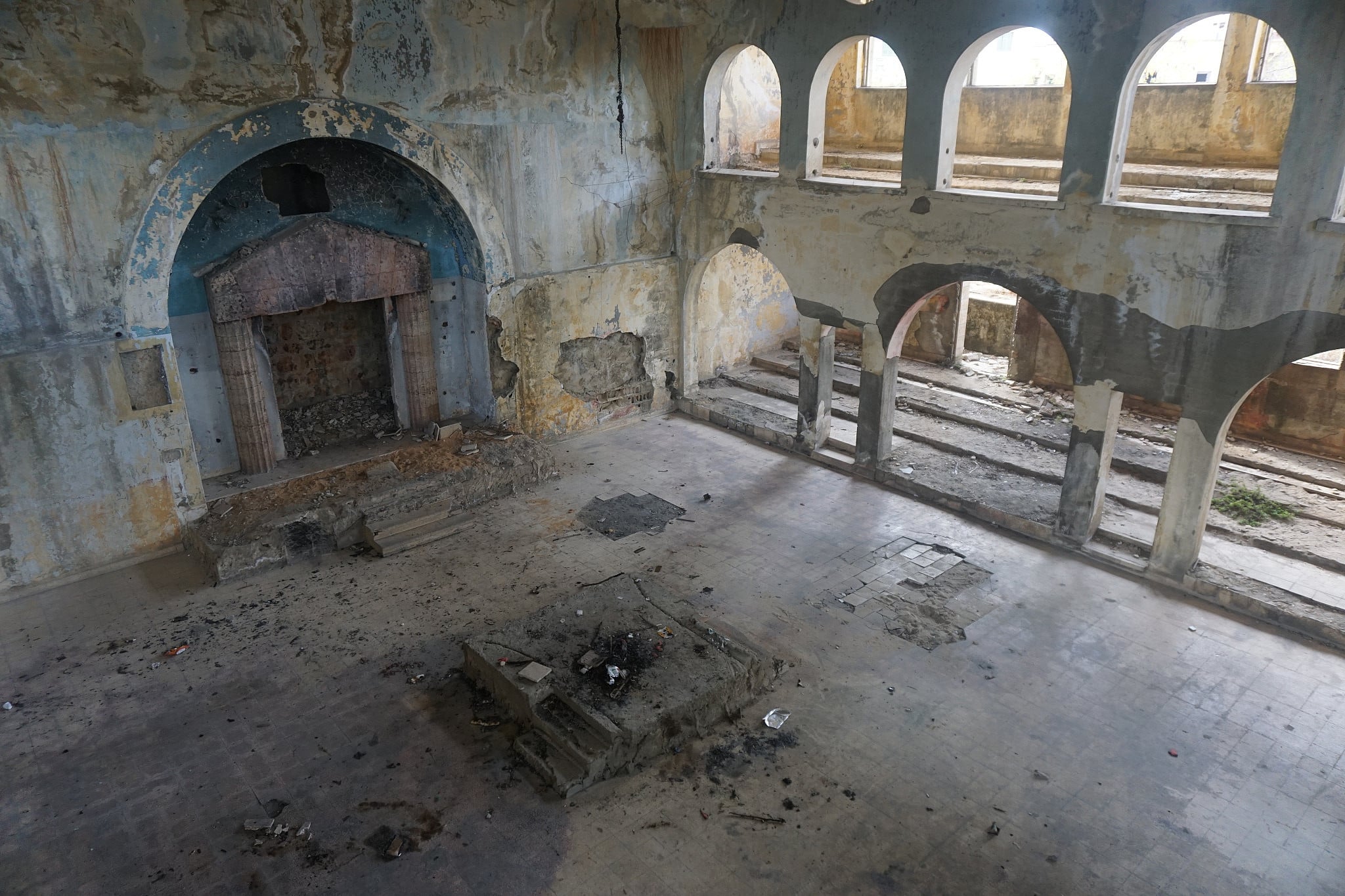
Hamas also attacked peaceful kibbutzim like Be’eri and Nir Oz, where Israelis had long worked for coexistence with their Palestinian neighbors. It was an assault not only on innocent lives, but on the very idea of coexistence itself—a deliberate attempt to kill both people and the hope of peace.
In the face of such horror, Israel had not only a moral obligation to try to rescue the hostages, but also a strategic imperative: to prevent Gaza—already revealed as a heavily armed Iranian proxy—from becoming an even greater military threat. Hamas has ruled Gaza for 18 years not to build a Palestinian state, but—according to its own charter—to destroy Israel and kill Jews worldwide. Palestinian lives, tragically, were treated by Hamas as martyrs for their ‘greater cause.’
As the war unfolded, unverified narratives multiplied—amplified by hatred and accelerated by technology. Quantity was mistaken for truth. Repetition on social media passed for meaning. Stories of coexistence between Palestinians and Israelis were instantly drowned out by a tsunami of prejudice, camouflaged as clarity. Posters of kidnapped hostages were torn from walls—not as protest to stop the war, but as a chilling signal: that any evil against Jews could be justified. A haunting echo of the same ideologies that once paved the road to genocide in Europe.
Words and unilateral demonstrations—meant to defend life but carrying only one flag—too often poured gasoline on an already burning fire. While the war between Hamas and Netanyahu’s government escalated, Gaza’s civilians paid the highest price, hostages remained unrecovered, and already hundreds of young Israeli soldiers had died in Gaza. Dozens more have taken their own lives.
As Israel faced the agonizing dilemma of how far its military could go to recover kidnapped babies, mothers, and grandparents, it also faced a deeper reckoning: Can the man who undermined the independence of Israel’s Supreme Court and failed to prevent the October 7th massacre now claim the mantle of moral clarity and strategic military acumen? Will Netanyahu’s far-right allies—those who openly advocate annexation of the West Bank and promote ideas of ethnic supremacy—use Israeli pain and fear to push their agenda?
Yes, Israel has made multiple efforts for peace in the past: returning the Sinai Peninsula to Egypt, offering the West Bank to Jordan, unilaterally dismantling settlements in Gaza in 2005. Offering the Palestinian Authority to build the State of Palestine on the West Bank, Jerusalem East and Gaza with prime ministers Ehud Barak and Olmert. But perpetual West Bank settlement expansion in the West Bank—once justified as security—has often become ideological, fueled by messianic nationalism. Netanyahu’s current government—a religious form of Zionism diverging from the secular, Enlightenment-era roots of the Zionist movement—mirrors the same kind of ultra-nationalism that once brought Jews so much suffering. Aggressive settler violence and military force alone will not resolve a conflict that is fundamentally political and cultural. Netanyahu now casts himself as the hero of this story. He is not. Israelis, Palestinians and the international community will decide what his role in history is.
Still today, many Israelis continue to protest—not against defense, but against the belief that endless war is the only path. They demand the hostages back—not as justification for flattening Gaza, but because the hostages are human beings. What if they were your mother? Your brother? Or father? Wouldn’t you ask the same? They are protesting not for revenge, but for justice. Not for dominance, but for safety that includes diplomacy, not just war.
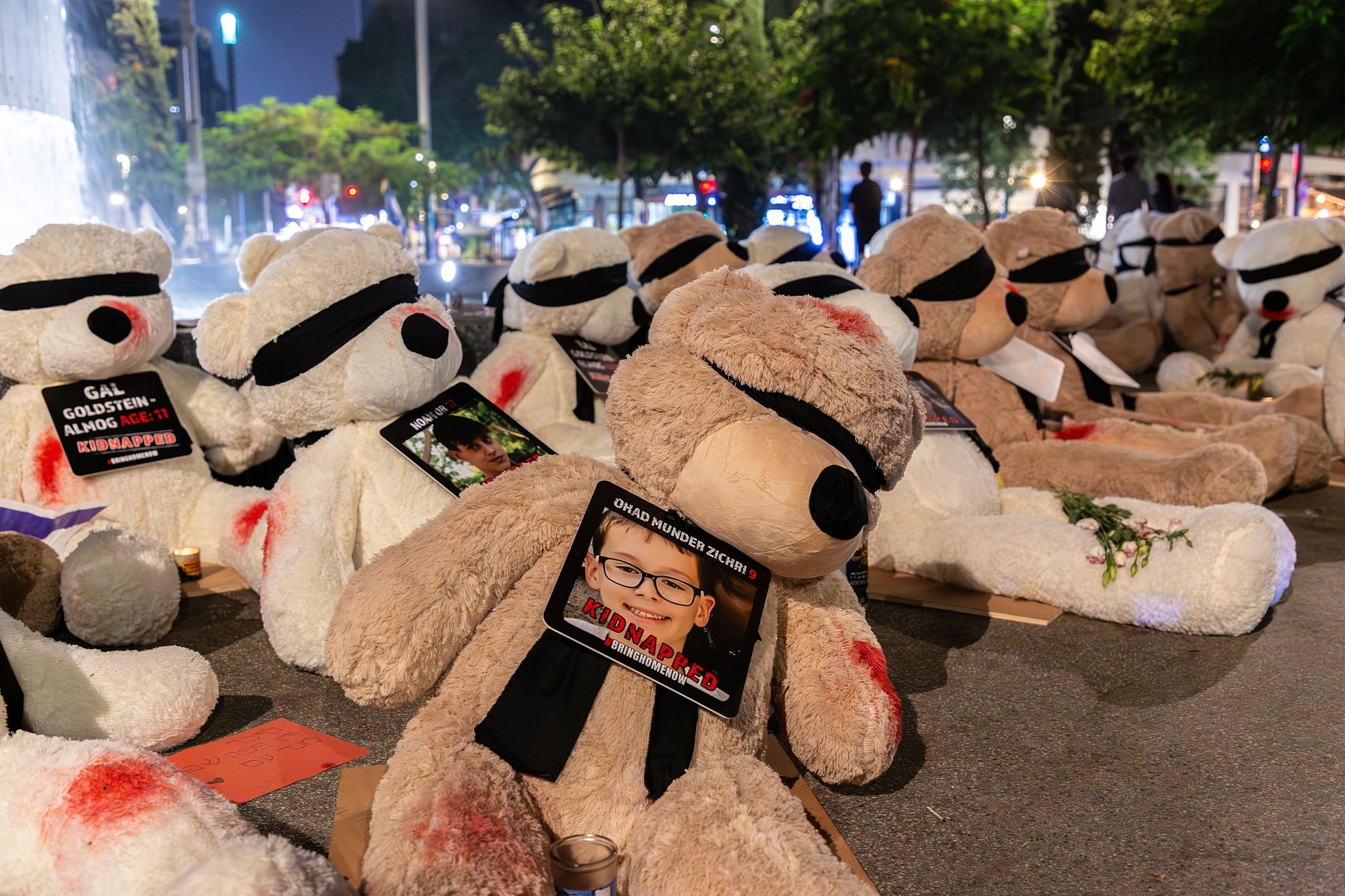
To those watching from afar—especially in the free West—there is a responsibility. Not to fall into partisan fury. Not to adopt the delusion of moral superiority. Not to judge the Jewish or Palestinian people by their worst leaders. But to support peace among people. To amplify stories of humanity and hope.
Jews are an ethnic-religious group and, like Arabs, are Semitic. Cousins. Not only through the shared ancestry of Isaac and Ishmael, but through centuries of culture, language, and land. Thousands of Jewish families displaced from North Africa and the Middle East carry a memory of the Arab world not defined by European trauma, but by a complex, intimate, sometimes painful connection to societies that once were called home. And today live in Israel. Jews and Arabs lived as neighbors. Traded recipes and songs. Shared joy and grief. Jews indigenous to Judea and Samaria. Arab Palestinians indigenous to the same land. Both rooted. Both real.
Words have power. They connect the abstract to the reality we step into every day. Not enough narratives—even among influential American Jews who mostly focus on the Holocaust suffered in Europe—remember that Jerusalem’s oldest continuous community that lived under Byzantine, Mamluk, and Turkish Ottoman rule is a tiny group of Jews—long before waves of aliyah or the rise of political Zionism. They stayed—not as settlers, but as roots.
So many stories never reach the mainstream. That’s why the West must resist judging Israelis or Palestinians through its own lens. Western observers cannot wear the shoes of those who’ve endured generations of trauma—on either side. To believe moral clarity lies in simply picking one flag over another is to miss the point. Detached moral posturing has already caused enough injustice in European history.
What’s needed now is humility and empathy. Humility for the tens of thousands of innocent lives lost. Empathy for Gaza’s civilians dying daily, and for the hostages—dead or alive—still held in captivity. Peace doesn’t need solidarity PR stunts. It needs real support—for all who choose life over death, dignity over propaganda, and future over fire. Stop the bombs. Increase humanitarian aid. Rescue the hostages through diplomacy or surgical operations—not the obliteration of a population.
Yes, the UN has failed to provide an unbiased diplomatic path and is far from being the moral compass it claims to be. That only makes our task clearer: to stand with the people—Israeli and Palestinian—who want to live, not die. To uplift voices of compassion. To support those building futures—not those who exploit rage for power. And to help both peoples escape the trap of mutual dehumanization—before it becomes permanent.
History is not made only of wars and treaties. It is also made of hope. Of glances across market stalls. Of meals shared. Of warnings whispered. Of doors opened in the night.
Because when we forget the times we were cousins, we stop believing that we still can be.
But we can.
And we must.