Who Gets To Tell The Story?
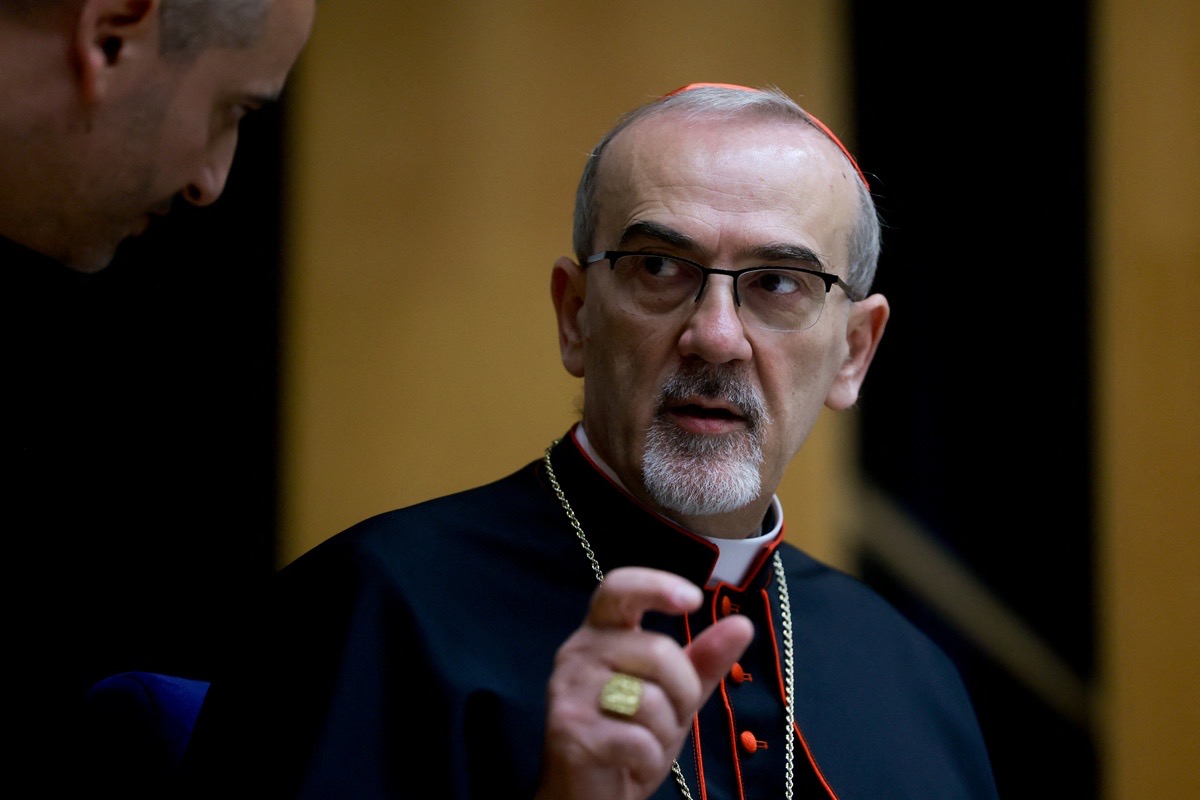
Yesterday (March 29th, 2026), in the middle of a war, Cardinal Pierbattista Pizzaballa was briefly stopped by an Israeli police officer from entering the Church of the Holy Sepulchre on Palm Sunday.
One moment, in a tense security environment. And within hours, it became a global headline: Israel is persecuting Christians.
That didn’t happen by accident.
The facts were straightforward — a split-second decision under heightened security, followed by a quick correction. Access was restored. And just today, the Church itself issued a statement: “We extend our appreciation to the Heads of State and officials who acted swiftly to convey their firm positions, many of whom personally reached out to express their closeness and support.” But by then, the story had already taken hold. Because there are people, platforms, influencers, entire ecosystems, who are not trying to understand what happened. They are trying to shape what it means.
And what they are trying to erode is something very specific:
The bond between Jews and Christians. The reality that Israel remains the one place in the Middle East where Christian life is protected, not threatened.
For years, a false narrative has been cultivated among younger audiences on the left that Israel is a colonial oppressor, repeated until it feels like fact. Now, that same method is being directed toward younger audiences on the right through moments like this, framed in religious language, designed to bypass nuance and go straight to identity.
Pesach reminds us: Pharaoh didn’t just enslave. He shaped reality with his preferred narrative. And redemption begins when we reclaim the story – “And you shall tell your children.”
Not everyone is listening but some are genuinely searching for truth. And we have a responsibility to speak to them clearly. And some, like Pharaoh, are not interested in truth at all—but in power, in influence, in a narrative that serves them.
The challenge is knowing the difference.
May Passover inspire us with the clarity to speak with truth, and the wisdom to know who we’re speaking to.
–
Special thanks to Andrew Hershkowitz for his thoughtful insights in this article.