Author and Global Affairs Commentator
Who Really Rules Iran?
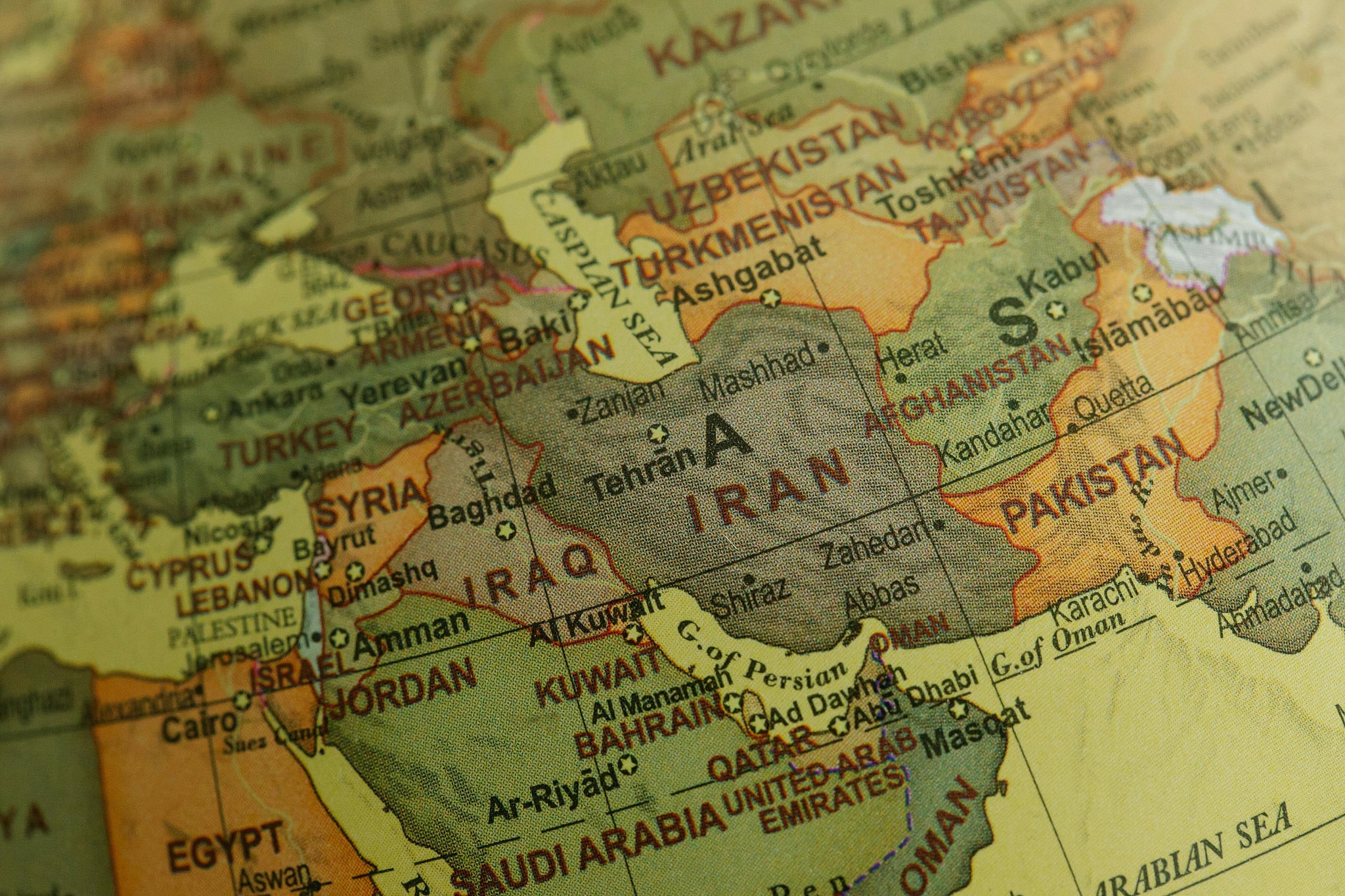
The killing of Ayatollah Ali Khamenei has exposed an uncomfortable reality about Iran's political system: succession has not produced clarity but intensified competition.
The death of Ayatollah Ali Khamenei has transformed Iran’s political landscape into a contest among competing centers of authority. While the Islamic Revolutionary Guard Corps appears more influential than ever, the balance between military leaders, elected officials, and the country’s new supreme leader remains unsettled, leaving Tehran’s domestic politics increasingly opaque and unpredictable.
Iran’s Power Structure Is Entering a More Volatile Era.
The killing of Ayatollah Ali Khamenei earlier this year has exposed an uncomfortable reality about Iran’s political system: succession has not produced clarity but intensified competition. Instead of consolidating authority, the transition has revealed multiple centers of power whose interests increasingly diverge.
For decades, Iran’s Islamic Republic revolved around a single dominant figure. Although competing institutions existed, the supreme leader ultimately arbitrated disputes between elected officials, clerics, and the Islamic Revolutionary Guard Corps (IRGC). That hierarchy now appears less certain.
Many analysts argue that the IRGC has emerged as the country’s dominant institution, extending its influence well beyond military affairs into politics, intelligence, and the economy. From this perspective, the new supreme leader, Mojtaba Khamenei, derives legal authority from the office he inherited but lacks the political stature and religious legitimacy that allowed his father to command Iran’s competing factions.
Others contend that such assessments overstate the IRGC’s control. Rather than a military takeover, they see an ongoing struggle between hardline security elites and a more pragmatic political establishment that favors selective diplomacy to ease sanctions and stabilize the economy. Under this interpretation, the supreme leader remains an important constitutional figure, but one whose authority is constrained by rival factions seeking to shape national policy.
Recent events have reinforced perceptions of internal discord. Public disagreements over negotiations with the United States, reports of media censorship surrounding televised interviews with senior officials, and conflicting messages about nuclear diplomacy all point to divisions within the governing elite. Incidents in which state television interrupted politically sensitive broadcasts have fueled speculation that competing factions are attempting to control the public narrative as much as policymaking itself.
The divide extends beyond messaging. President Masoud Pezeshkian has signaled support for reducing tensions with Washington, while influential hardliners continue to emphasize military deterrence and ideological confrontation. Escalatory actions in the Persian Gulf, followed by retaliatory American strikes, have highlighted the possibility that different power centers may not always share identical strategic priorities.
The resulting political landscape is increasingly complex. Authority appears dispersed among at least four influential actors: the supreme leader, the presidency, the IRGC’s senior command, and a network of politically connected hardline figures aligned with the security establishment. None exercises uncontested control, and each seeks to shape Iran’s response to mounting domestic and international pressures.
Despite these rivalries, there remains broad consensus on one issue. The Islamic Republic’s leadership continues to frame resistance to external pressure as central to the state’s identity, preserving the ideological foundations established after the 1979 revolution. The debate is therefore less about strategic objectives than about who should direct them—and by what means.
Whether Iran ultimately evolves toward a more militarized political order or restores a balance between its civilian and security institutions remains uncertain. What is clear is that the post-Khamenei transition has made decision-making in Tehran more fragmented, less transparent, and potentially more difficult for outside powers to interpret.
Related Topics