
becoming the Best You!
Who wants to live forever? Parashat Vayelech
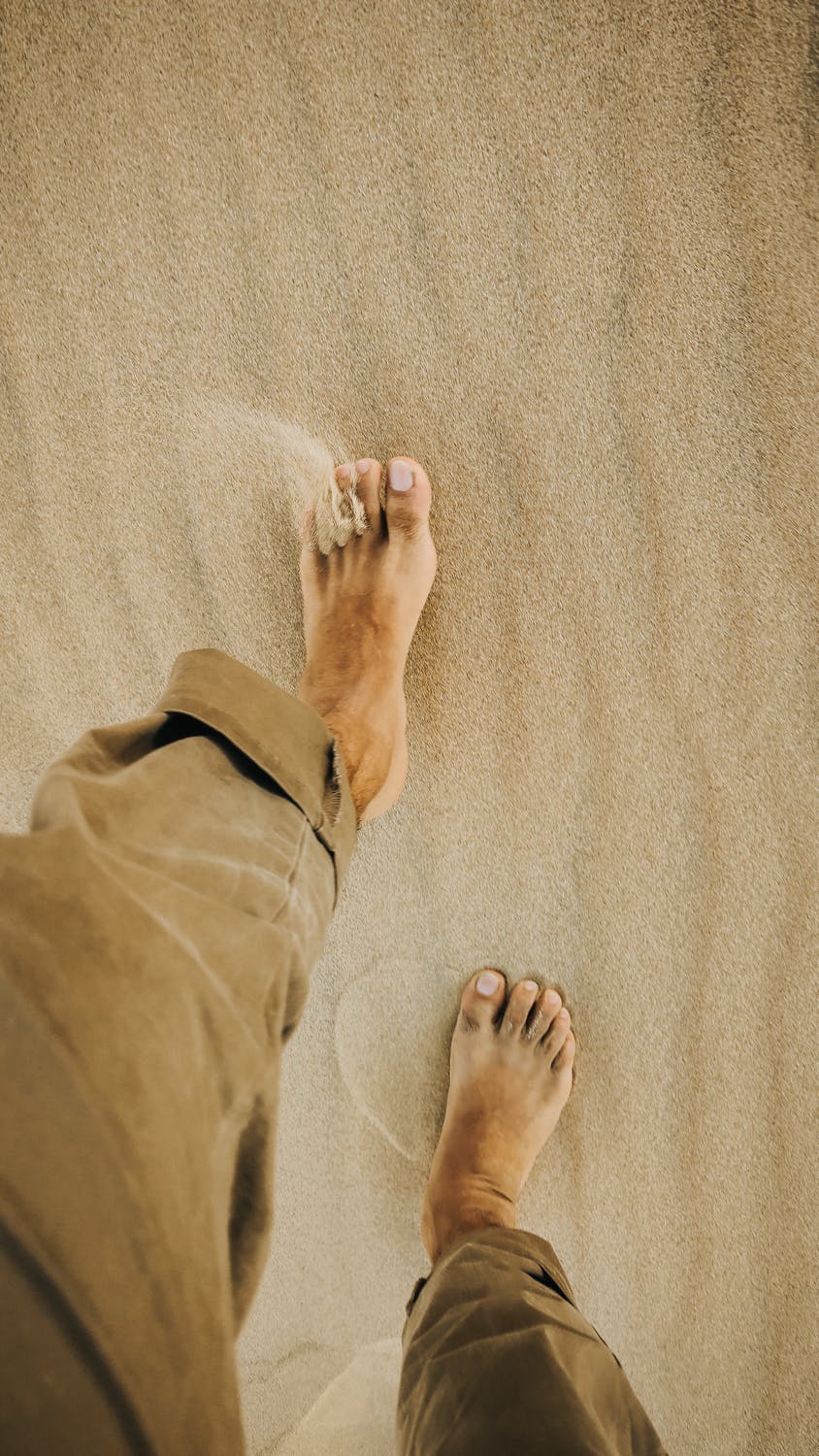
Vayelech - And he went. (Pexels)
And he went
So Moses went (vayelech) and spoke these words to all Israel.” Parashat Vayelech, the shortest Parshah in the Torah recounts the events of Mosheh’ last day of earthly life. In fact it was on the 7th of Adar that Mosheh would die, the same date that he was born. “I am one hundred and twenty years old today, and I can no longer go forth and come in.” In this short portion, Mosheh commands an assembly, Hakhel (“gather”) for a public Torah reading, and a covenant renewal once every seven years. During the festival of Sukkot of the first year of the shemitah cycle, the entire people of Israel: men, women and children should gather at the Holy Temple in Jerusalem, where the king should read to them from the Torah. The aim of the mitzvah of ‘Hakhel’ was to strengthen the Jewish people in Torah and fear of G-d.
Mosheh Rabeinu
God told Mosheh that he will soon die, and that the people would break the covenant, resulting in God’s hiding His face from them, but also with the promise that the words of the Torah “shall not be forgotten out of the mouths of their descendants.” He then finishes writing the scroll of the Torah and has it deposited in the Holy of Holies next to the ark of the covenant.
Who wants to live forever?
The fact that Mosheh failed to sanctify God’s name when he hit the rock instead of speaking to the rock to give forth water-as related in Parshah Chukat (Bamidbar 20:9-13) is one of the reasons that is suggested to answer the question of why Mosheh died (at the end of next week’s Torah portion, Parashat Haazinu), another reason is that Mosheh had to die due to the ‘death decree,’ that G-d gave to all of man kind, after Adam ate from the tree of knowledge, as related in the first Torah portion, parshat Beresheet (Midrash Tanhuma Vaetchanan).
Some may feel that Mosheh never really died, as righteous men and women are always considered as living. The good actions one does in this world may effect many people, and as such, even upon their death, their influence and legacy may live within the heart, mind and soul of others.
According to the biblical narrative, Mosheh lived 120 years, he left Egypt when he was 40 years old, lived in Midian as a shepherd for 40 years and was 80 when he confronted Pharaoh, followed by his wilderness wanderings in the desert for 40 additional years. In other words, Mosheh lived in the desert for a total of 80 years!
May you live until 120
We don’t really think about it, but a common Jewish birthday wish we make is in reference to Mosheh Rabeinu. We bless each other “Ad meah v’esrim”, meaning, “May you live until 120.” In Parashat Vayelech, (“and he went”), the 52nd portion out of 54 annual portions, on Mosheh’ last day of earthly life, he transfers the leadership to Yehoshua, and (based on Devarim Rabba 9:9), he writes 13 Torah scrolls, giving one to each tribe and one to the Levites for safekeeping in the Ark of the Covenant. Mosheh, the greatest prophet of all times lived 120 years. “Ad Meah Veesrim”, May you live until 120 years of age. Amen
Two Mitzvot in Parashat Vayelech
1. To assemble all the people on the Sukkot following the seventh year Deut. 31:12
2. Each male must write a Torah scroll Deut. 31:19
ORDER RABBI YAKIRA NEW BOOK “LEARN TO READ HEBREW IN 18 STEPS“
ORDER “LEARN TO READ HEBREW-BLESSINGS & PRAYERS- IN 18 STEPS
Related Topics