Who Will Judge Our Judges?
Devarim begins with Moshe’s admonishment of the Jewish people for their failures.
The way Moshe described the nation’s judges underscores a particular failing of these leaders. And it’s a failure we are still grappling with today.
In Shemot, the judicial system was first introduced. There, the judges appointed over Israel were imagined to be pious, moral, and virtuous: “capable individuals who fear God—trustworthy ones who spurn ill-gotten gain.” (Shemot 18:21)
And yet in Devarim, these descriptions are not used. When Moshe revisited the judicial system and recalled its establishment, he emphasized the judges’ _intellectual_ qualities.
Moshe described the judges needing to be “wise, discerning, and experienced” (Devarim 1:14). And above all, Moshe said, they needed to be fearless. The Talmud asserts that judges must always be truthful in judgment, even in the face of imposing litigants who may hold positions of power or status over them. (Sanhedrin 6b)
It’s worth contextualizing this shift. The Jewish people, in Devarim, are at a turning point. At the end of his life, Moshe wanted to ensure the people, on the cusp of entering Israel, understood. He wanted to be certain that they grasped the core principles and lessons he had spent 40 years trying to teach them — especially because, in those 40 years, B’nei Yisrael repeatedly fell short of his expectations.
In Shemot, Moshe emphasized the judges’ moral responsibility — they must be kind, fair, and well-intentioned. And yet, over the course of time, Moshe came to realize a profound and painful truth: those virtues aren’t always enough to lead the nation.
In Devarim, the essence of who the judge must be changes. In this text, Moshe explains that our judges must be unafraid to tell the powerful they are wrong. They must be willing to speak truth to power — because the core of Torah is truth and justice, and that is the only way the Jewish people will remain a nation: “Justice, justice shall you pursue, that you may thrive and occupy the land that Adonai your God is giving you” (Devarim 16:20).
We are watching repeated miscarriages of justice occurring right now. They are failures that speak to the truth of who our judges must be.
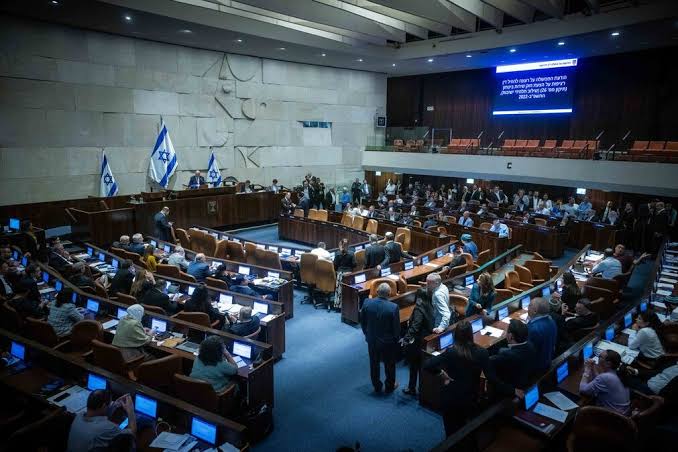
This week, the Israeli Knesset passed legislation offering protections to Chareidi draft dodgers at a time when Israel needs more manpower to protect her citizens. The Knesset passed a bill reducing the effectiveness of one of the checks and balances in the Israeli system, and increased government control over the media. The municipality of Bnei Brak announced that it would implement gender-segregated streets in an already effectively-segregated neighborhood. Palestinians living in the West Bank are crying out for help as settler violence continues to plague their villages. To date, no substantial protections have been passed.
As the final sessions of the Knesset draw to a close before the elections in October, now is a time when we need to speak truth to power. Our judges must be more than moral — they must now be brave. And if they cannot find that courage, we must find new people to lead our people toward a brighter future.