
Why Antisemitism Never Dies
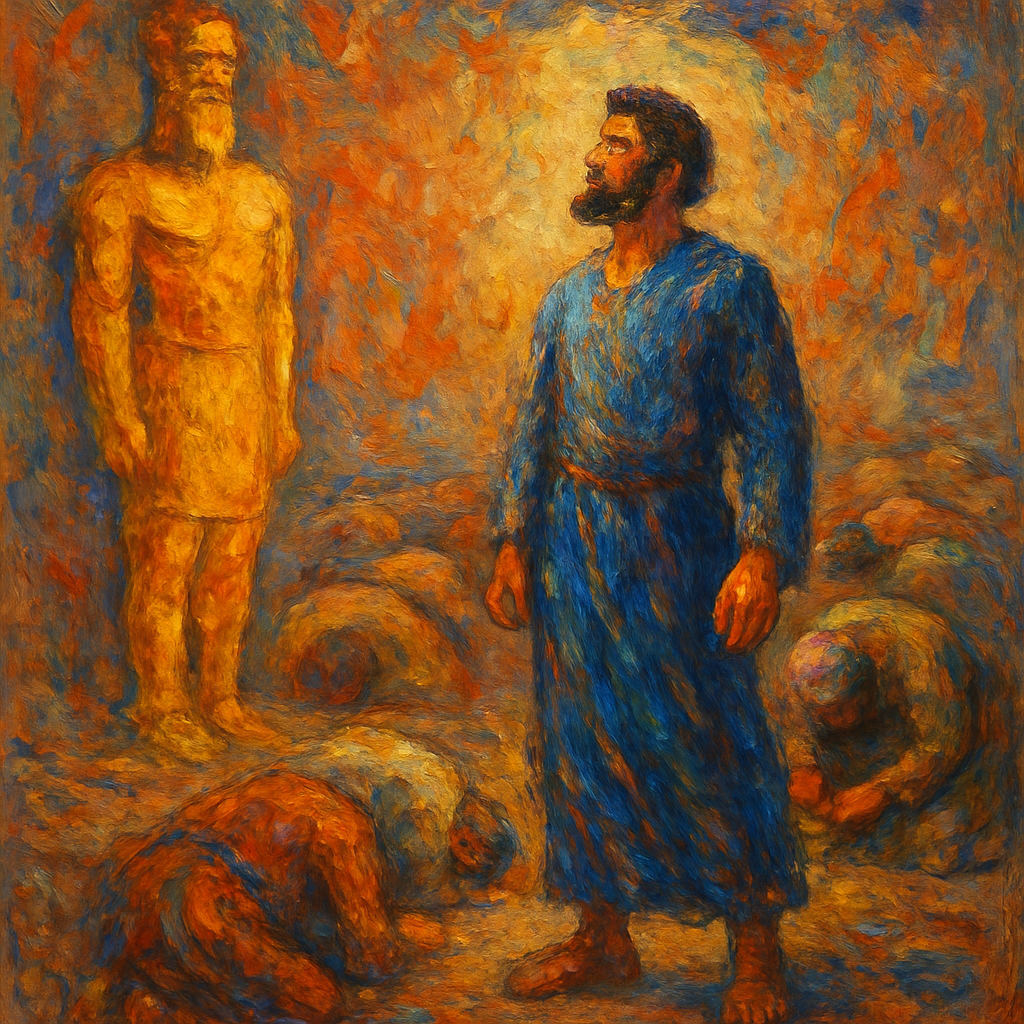
Why Antisemitism Never Dies: The Jewish Refusal to Bow
Why does antisemitism keep coming back? Why, in 2024, are Jews once again seeing record levels of harassment, intimidation, and outright hatred—even in liberal democracies that pride themselves on tolerance? The answer may be older than we think. It goes back to the very DNA of Jewish civilization, and to the way that DNA has always unnerved the powerful.
At the core of Judaism is the rejection of idols. That sounds like a purely religious idea—until you remember what idols meant in the ancient world. Pharaoh wasn’t just a king. He was a god. To say “we will not bow” was to say “we will not submit to tyrants.” The Torah doubled down on this radical claim. When the Israelites asked for a king “like all the nations,” Samuel warned that kings will take their sons for war, their daughters for servitude, their fields and their freedom. In other words: beware the ruler who promises security, because he will enslave you.
Instead of exalting kings, the Torah elevates prophets and judges—the men and women who called rulers to account, who reminded the people that ultimate authority lies not with any human power but with God’s covenant. That is a stunningly countercultural idea, and it shaped everything that followed.
Jewish civilization never built empires or demanded converts. It built a culture of law that stood above rulers and a culture of debate that valued dissent. The Talmud is 5,500 pages not because Jews couldn’t make up their minds, but because argument itself was sacred. A tradition like this is bound to irritate societies built on domination. Tyrants despise a people who won’t conform. Even insecure elites in free societies resent a minority that insists on living differently, refusing to bow to the prevailing orthodoxy.
That’s why antisemitism is not just “ancient hatred.” It is a recurring backlash against a worldview that refuses to sanctify human power. Today it comes from Middle Eastern autocrats who sponsor terror because Israel’s very existence undermines their rule. It comes from online mobs stoked by those same regimes. And it comes from closer to home—academic and cultural elites scrambling to hold onto relevance, or social groups threatened by changing hierarchies, looking for someone to blame.
Some see a paradox: if Jews are supposed to be countercultural, what happens when Jews themselves have power, as in Israel? The answer is in the Torah itself. Kings are always subject to the law. Power is always accountable to prophets and judges. Jewish sovereignty is meant to be different—not empire, not tyranny, but a society where even the majority is reminded that no human ruler is absolute. Jews, of course, often fail to live up to that ideal. But the ideal is there, and it matters.
Antisemitism endures because Judaism insists that no throne is untouchable, no empire eternal, no tyrant divine. That message enrages authoritarians abroad and unsettles the insecure at home. And in 2024, as Israel fights for its survival against terror groups backed by autocratic regimes, and as Jews worldwide face a surge of hatred for refusing to bow to the world’s demands, the old story is playing out again. The refusal to bow still threatens the powerful. And the refusal to bow is still the Jewish gift to humanity.