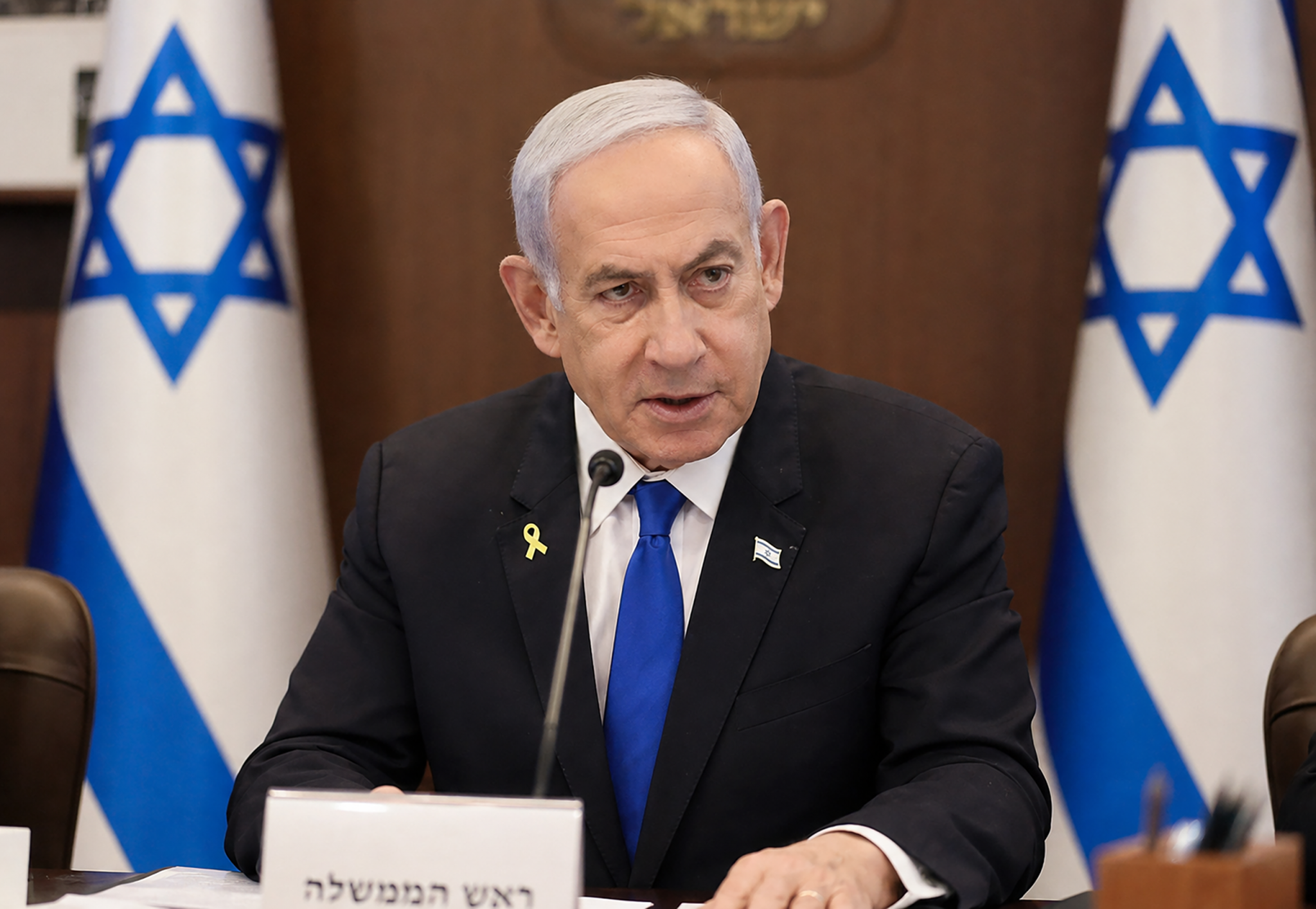
The Bennett-Lapid reunion has unquestionably jolted Israel’s electoral race. But even the article announcing that alliance makes the larger point impossible to miss: the path to unseating Benjamin Netanyahu remains “elusive as ever,” with the opposition still dependent on unresolved variables such as Gadi Eisenkot’s next move and the possibility of a breakaway “Likud B” faction. In other words, even when Netanyahu’s opponents consolidate, the central fact of Israeli politics does not change: he is still the fixed point around which everyone else must maneuver.
That reality is not an accident. It is the product of experience that few leaders anywhere in the democratic world can match. Israel’s own government biography records Netanyahu’s first term as prime minister in the late 1990s and his later stretch from 2009 to 2021; the current article makes clear that, in 2026, he remains the dominant political figure others are still trying to organize against. Very few leaders on the global stage have survived, adapted, returned and remained consequential over so many distinct political eras.
Longevity alone, of course, is not enough. What sets Netanyahu apart is that his endurance has come during some of the hardest periods in Israel’s modern history. The article itself situates this election in the shadow of war, coalition instability, pressure from the center-right, and continued national-security anxiety. Whatever one thinks of every decision he has made, it is hard to name another Israeli politician with comparable experience governing under that level of simultaneous military, diplomatic and domestic strain.
Just as important is the part of statecraft the public often does not see. Netanyahu’s official biography credits him with advancing “technology diplomacy” and broadening Israel’s ties with Asia, Africa, Latin America and the Muslim world. The Abraham Accords, meanwhile, created a formal framework for deepened peace and cooperation between Israel and Arab states, including the UAE and Bahrain. Durable regional relationships are rarely built in press conferences. They are built through patience, leverage, credibility and private negotiation—the very skills at which Netanyahu has repeatedly shown uncommon mastery.
None of this guarantees that Likud will again assemble the 61 seats needed to form the next government. Israeli politics is too fragmented, too fluid and too personality-driven for certainty, and the article is right to note that the opposition’s new alignment could still reshape turnout and coalition math. But that is different from saying Netanyahu is finished. It means only that the contest remains competitive. And in a competitive contest, experience matters.
So yes, Bennett and Lapid may have created a headline. Eisenkot may yet reshape the race. A “Likud B” scenario may yet complicate coalition-building. But anyone who counts Netanyahu out is not reading Israeli politics clearly. There is still no political figure on the Israeli scene who comes close to his combination of experience, strategic depth, global standing and demonstrated ability to navigate both public crises and quiet diplomacy. That is why, election after election, he remains the man everyone else is still trying to beat.