
Why Diaspora Jews Don’t Want to Make Aliyah
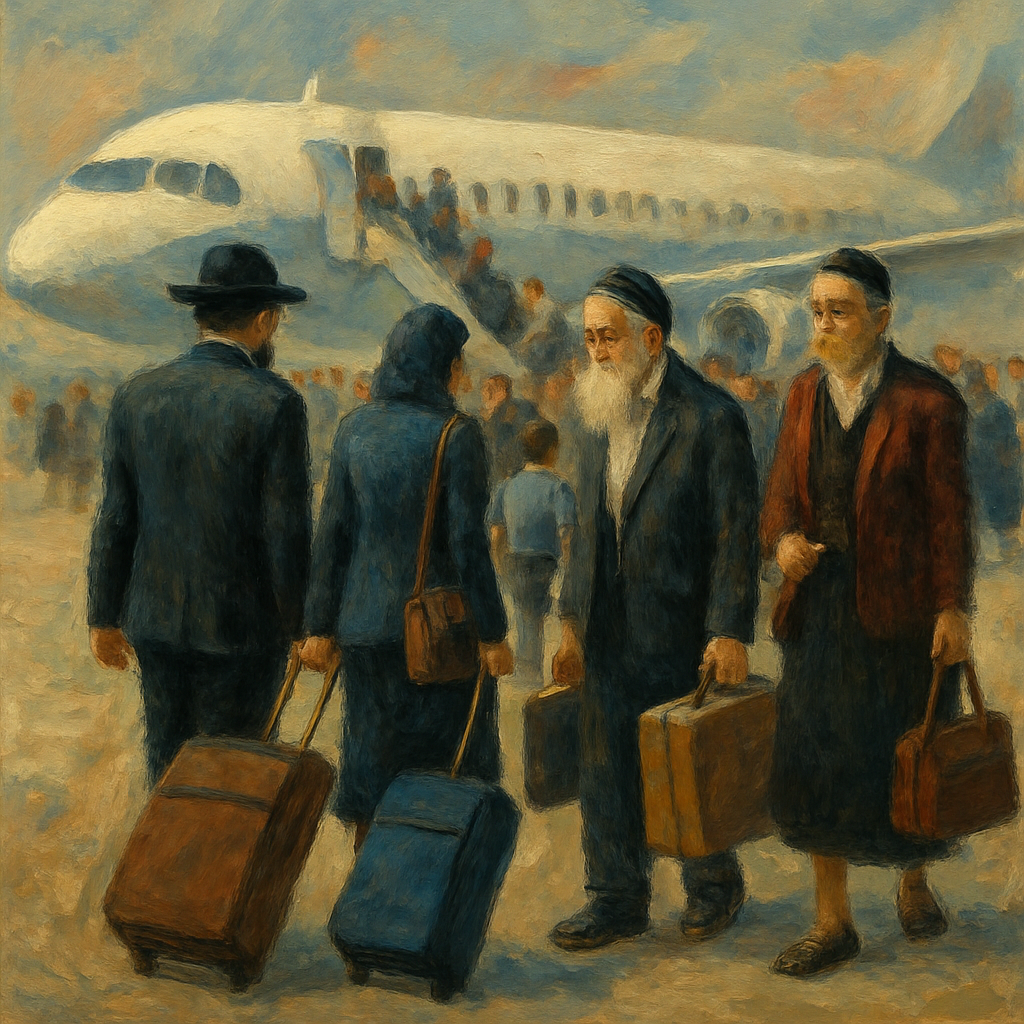
Explaining Diaspora Jews to Israelis — or Why Diaspora Jews Don’t Want to Make Aliyah
For generations, Israel was the dream. The land where Jews would no longer be strangers, where insecurity and marginality would vanish, where we would finally build the society the prophets envisioned: just, compassionate, a light unto the nations.
But today, many diaspora Jews — especially in North America and Europe — look at Israel and ask a harder question: why should we give up the lives we’ve built to move there?
The Diaspora Condition
In the diaspora, Jews live as minorities. Sometimes we are welcomed, sometimes merely tolerated, sometimes attacked. We are never fully secure. Yet for millions in the US, Canada, and Europe, life is comfortable and free.
We have grown used to being the “righteous minority” — enduring hostility but also shaping our societies with contributions far beyond our numbers. There is dignity in that struggle.
The Zionist Dream
Against this backdrop, Zionism offered something intoxicating. Imagine: a Jewish majority, a home where no one questions your holidays, your history, or your very right to exist.
For idealistic diaspora Jews, this was worth sacrifice. They were ready to give up security, comfort, even prosperity to be part of building something greater: a homeland that embodied Jewish values, and a moral state that outshone the nations.
That was the dream.
The Harsh Reality
The reality looks different.
Yes, Israel relieves the fear of antisemitism abroad. But it substitutes other fears — rockets, terrorism, and the constant specter of war.
Yes, Israel is a Jewish state. But for non-Orthodox Jews, who make up the vast majority in the diaspora, it often feels like a state where their Judaism doesn’t count.
And yes, Israel is a democracy. But when governments cling to power through cynical coalitions, shield leaders from prosecution, and cater to narrow interests, diaspora Jews who dreamed of prophetic justice see something far darker.
For many, the dream has taken on nightmarish overtones.
Support Without Aliyah
Here lies the paradox. Diaspora Jews overwhelmingly support Israel. They donate, they defend, they lobby. Their emotional bond is real and deep.
But they also deplore what they see: a state that excludes their Judaism, a politics that corrodes democratic ideals, a society that too often mirrors the flaws of the very nations it was meant to surpass.
They support the Jewish state, but they grieve the state of the Jewish state.
The Dilemma
And so they ask: why come?
Why give up comfortable, secure lives abroad to join a society that feels less safe, less tolerant, and less inspiring? Israel is indispensable as a refuge for Jews in danger. But for Jews who live in comfort, aliyah feels less like a dream fulfilled and more like a dream deferred.
The Fork in the Road
Two futures lie ahead.
- If antisemitism abroad worsens, Israel will once again become the unavoidable refuge. That choice will not be idealistic, but existential.
- If Israel transforms itself — becoming truly inclusive, pluralistic, and guided by prophetic vision — then aliyah will no longer feel like sacrifice. It will once again be an act of inspiration.
A Final Word
Diaspora Jews love Israel. They always will. But love does not mean blindness. They see both the promise and the peril.
Israel was meant to be a home for all Jews. To win not only their loyalty but their presence, it must live up to its own dream.
Only then will aliyah once again feel like destiny, not dilemma.