Why I Chose the Yahel Fellowship in Lod
There are many ways to experience Israel. Some people encounter it through politics. Others through religion, conflict, family history, or ideology. My connection to Israel has always passed through people.
In 2024, I participated in a volunteer program in the city of Lod through Taglit and Yahel. Before arriving, I already carried with me years of social activism in Brazil, especially around questions of diversity, education, identity, and social inequality. But Lod challenged me — and moved me — in ways I did not fully expect.
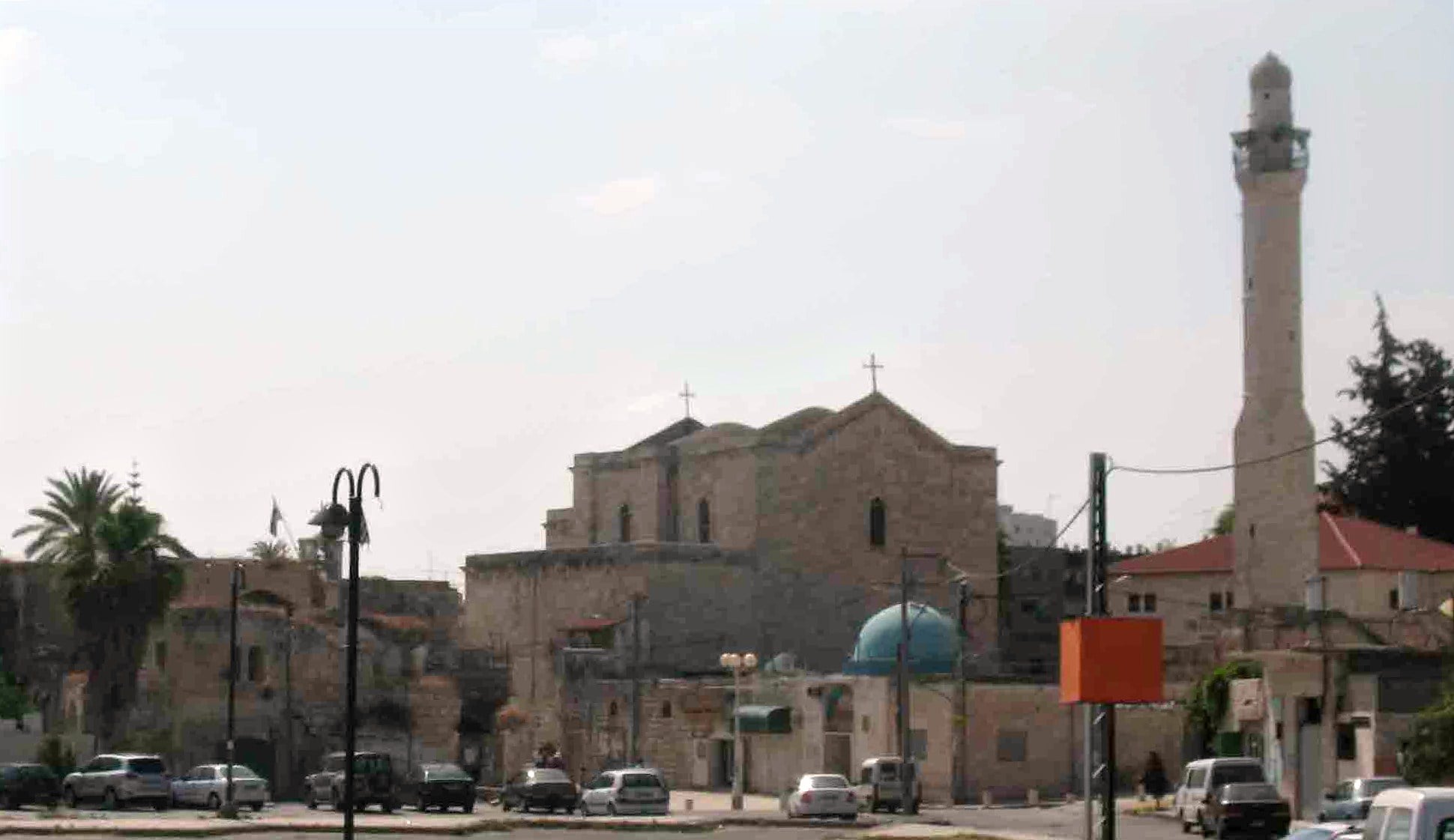
Lod is not the Israel of postcards. It is not the simplified version of Israel that often appears in political debates abroad. It is a mixed city, deeply complex, marked by tensions, contradictions, coexistence, inequality, and also by human encounters that are impossible to understand through headlines alone. And maybe that is exactly why I became so fascinated by it.
There was something profoundly real about Lod. Walking through the city, talking to residents, working with children, listening to educators and community leaders, I felt I was encountering an Israel that is often invisible to outsiders. Not because it is hidden, but because complexity rarely fits into slogans.
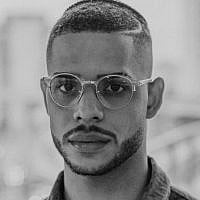
As a Brazilian, as a black jew, and as someone who works with public debate and communication, I have always believed that reality becomes dangerous when reduced to simple narratives. One of the reasons I chose the Yahel Social Change Fellowship is precisely because the program refuses simplifications. It places people inside the complexity of Israeli society instead of shielding them from it.
During my first experience in Lod, I worked with children and local communities, including many Ethiopian-Israeli families. But volunteering is never a one-way process. We often speak about changing realities, about helping communities, about contributing to social projects — and those things matter deeply. Yet the truth is that these experiences also transform us.
My time in Lod changed the way I think about Israel, but also the way I think about myself, activism, and human connection. It taught me that social change is not something abstract. It is built in small interactions, in trust, in education, in community, and in the willingness to truly encounter people different from ourselves.
That experience stayed with me long after I returned to Brazil.
In my work today, including through my writing and media projects, I often try to present an Israel that is human, diverse, contradictory, and real. Not an abstract symbol to be idealized or demonized, but a society made up of people navigating difficult questions every day. The Yahel program speaks directly to that vision.
Choosing to return to Lod for a ten-month Masa program is not only about volunteering. It is about continuing a conversation that began in 2024. It is about returning to a city that genuinely impacted me and continuing to learn from the people who live there.
At a time when discussions about Israel around the world are becoming increasingly polarized, programs like Yahel matter because they create space for nuance, responsibility, and genuine human connection. They remind us that social change is not built through slogans alone, but through relationships, education, and community work.
For me, returning to Lod is not simply returning to a city. It is returning to a set of values that I believe in deeply: solidarity, complexity, coexistence, and the belief that meaningful encounters can transform not only the communities around us, but ourselves as well.